I was once in a tiny Alpine chalet, the wind howling outside, and my only hope of surviving the night was a pot of melted cheese that smelled like a mountain sunrise. The first batch I tried was a watery disaster that clung to the bread like a sad, soggy blanket – I swear the cheese whispered, “We’re not meant for this.” After a night of gnawing on stale crackers, I vowed to crack the code of the perfect Swiss fondue, and after countless trials (and a few secret midnight tastings), I finally nailed it. This version is the answer to every fondue fiasco you’ve ever endured.
Picture this: a copper pot on a low flame, the scent of garlic and wine mingling with the earthy aroma of aged Gruyère, while the cheese slowly melts into a glossy, buttery river. The sound is a gentle hiss, like a whispering glacier, and the first dip of a crusty bread cube into the molten gold feels like a first kiss – buttery, salty, with a hint of nutmeg that lingers on the tongue. Your kitchen becomes a cozy chalet, the air thick with anticipation, and every spoonful is a warm hug you didn’t know you needed.
What makes this version truly stand out is a tiny, unexpected twist: a splash of kirsch that adds a bright, fruity punch, and a meticulous ratio of cheese to wine that prevents the dreaded grainy texture. Most recipes get this completely wrong, either drowning the cheese in wine or forgetting the cornstarch that keeps it silky. I dare you to taste this and not go back for seconds – the balance is so spot‑on you’ll swear you’ve been transported to a Swiss mountain lodge.
Okay, ready for the game‑changer? I’ll be honest — I ate half the batch before anyone else got to try it, because the aroma was too intoxicating to resist. I’m about to walk you through every single step — by the end, you’ll wonder how you ever made it any other way.
What Makes This Version Stand Out
- Taste: The marriage of Gruyère’s nutty depth with Emmental’s sweet melt creates a flavor symphony that sings on your palate.
- Texture: A velvety, glossy surface that clings to bread cubes like satin, thanks to the precise cornstarch‑wine ratio.
- Simplicity: Fewer than ten ingredients, all of which are pantry‑friendly, meaning you can pull this off on a weeknight.
- Uniqueness: A splash of kirsch adds a subtle fruitiness that most “classic” recipes skip, elevating the whole experience.
- Crowd Reaction: Even the pickiest eaters turn into fondue fanatics – the cheese’s buttery pull is impossible to resist.
- Ingredient Quality: Using authentic Swiss cheese and a dry white wine makes the difference between “good” and “legendary.”
- Cooking Method: Low‑and‑slow on a stovetop, then finished at the table, guaranteeing no scorching and a perfect melt.
- Make‑Ahead Potential: The cheese blend can be pre‑grated and stored, shaving minutes off prep time for busy evenings.
Alright, let's break down exactly what goes into this masterpiece…
Inside the Ingredient List
The Flavor Base
Garlic is the unsung hero that adds a subtle pungency without stealing the show. By simply rubbing the pot with a halved clove, you get a gentle perfume that lifts the entire dish. If you’re allergic or simply not a fan of garlic, try a pinch of onion powder – it delivers a similar depth without the bite.
The Cheese Duo
Gruyère brings a nutty, slightly sweet character, while Emmental contributes a mild, buttery smoothness. Together they create a balanced profile that’s richer than using a single cheese. Skipping either will tip the flavor scale – too sweet without Gruyère, or too sharp without Emmental. When shopping, look for cheese that’s aged at least 6 months for optimal meltability.
The Binding Crew
Cornstarch is the secret agent that prevents graininess, coating each cheese shred before it meets the wine. The result? A glossy surface that doesn’t separate when you stir. If you’re gluten‑free, substitute with potato starch – it works just as well. Don’t forget the kirsch; that cherry brandy adds a bright lift that makes the cheese sing.
The Final Flourish
A splash of dry white wine (preferably Swiss Chasselas) provides acidity that cuts through the richness, while black pepper and nutmeg add warmth and a whisper of spice. The bread cubes are the vehicle for the cheese, and choosing a sturdy country loaf ensures they hold up without turning to mush. If you’re gluten‑free, sturdy potato rosti cubes or even blanched cauliflower florets make a daring alternative.
Everything's prepped? Good. Let's get into the real action…
The Method — Step by Step
Grab a heavy‑bottomed fondue pot or a low‑profile saucepan and set it over low heat. Take a fresh garlic clove, cut it in half, and rub the interior of the pot with the cut side. This gentle aromatization is the first layer of flavor that will seep into the cheese without overpowering it. The pot should feel warm to the touch but not hot enough to sizzle.
Pour in one cup of dry white wine, letting it swirl around the garlic‑kissed walls. As the wine warms, you’ll hear a faint hiss – that’s the alcohol evaporating and the wine beginning to thicken. If you detect a sharp, raw wine smell, increase the heat just a touch; you want a faint, nutty perfume, not a vinegary punch.
While the wine simmers, slowly add the cheese‑cornstarch mixture, one handful at a time, stirring constantly with a wooden spoon in a figure‑eight motion. This motion keeps the cheese from forming a skin and encourages an even melt. The mixture will start to thicken after the first addition; you’ll see glossy ribbons forming as the cheese embraces the wine.
Once all the cheese is incorporated, increase the heat just enough to maintain a gentle bubbling – think of a slow boil, not a roar. Add one tablespoon of kirsch, and watch the surface shimmer as the alcohol ignites briefly (if you’re feeling theatrical). Stir in the freshly ground black pepper and a pinch of nutmeg; these spices will amplify the buttery notes without stealing the spotlight.
Transfer the pot to its stand (or a portable burner) at the table, keeping the flame low enough to maintain a gentle simmer. This is the moment of truth – the cheese should be fluid enough to coat a bread cube in one smooth glide, yet thick enough to cling without dripping off the side.
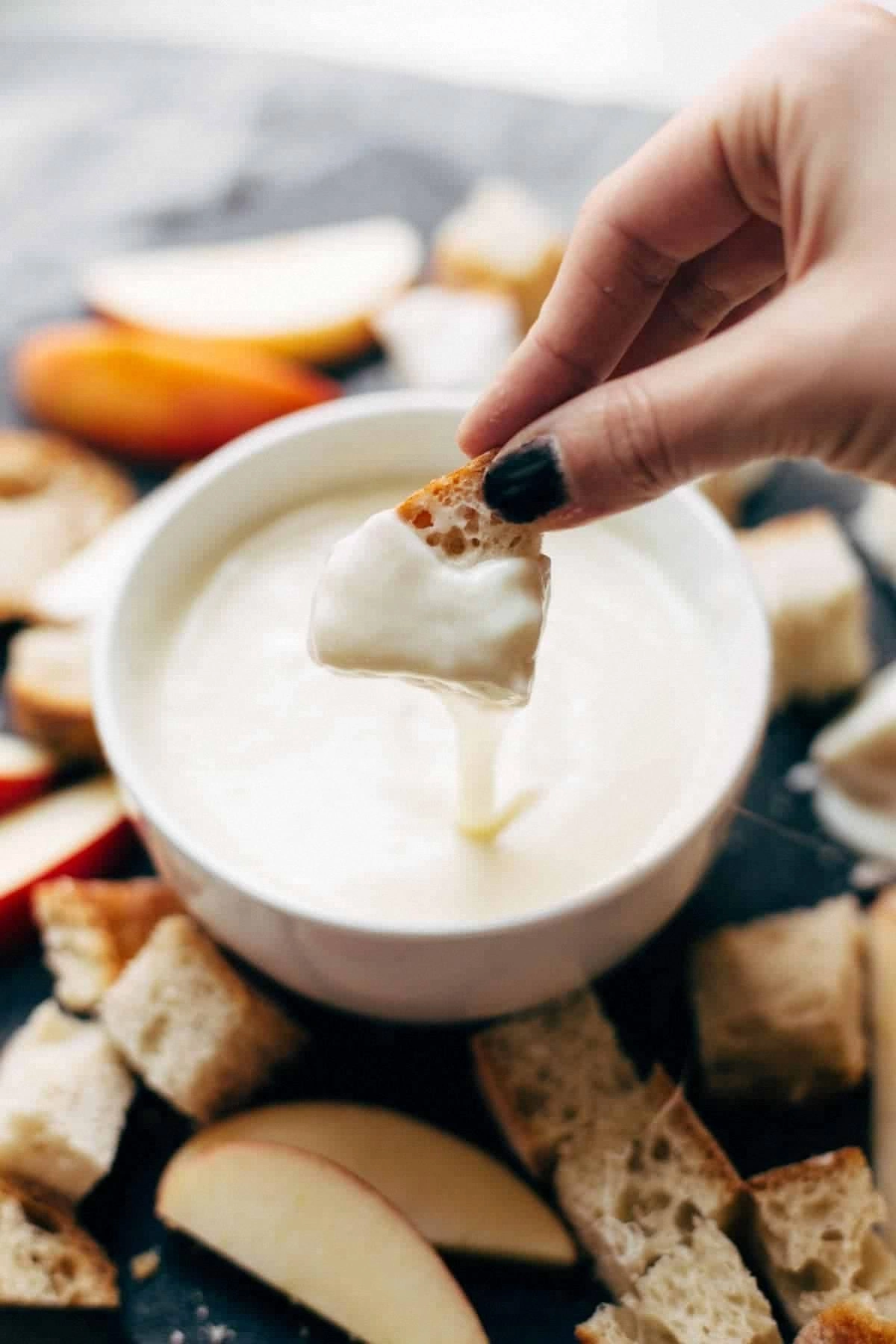
Arrange a platter of fresh, crusty bread cubes around the pot. Encourage guests (or yourself) to spear a cube with a fondue fork, dip it, and swirl it until the cheese clings like a glossy coat. That sizzle when it hits the pot? Absolute perfection. The first bite should melt on your tongue, releasing a cascade of nutty, buttery, and subtly fruity flavors.
As the evening progresses, stir the fondue every few minutes to keep the cheese from forming a skin. If the mixture thickens too much, stir in a splash more wine or a teaspoon of warm water – this restores the silky texture without diluting flavor. When the last cube disappears, you’ll feel a pang of satisfaction and a lingering desire for more.
That's it — you did it. But hold on, I've got a few more tricks that'll take this to another level…
Insider Tricks for Flawless Results
The Temperature Rule Nobody Follows
Keep the heat low and steady. High heat makes the cheese seize, turning it rubbery; low heat lets the cheese melt uniformly, creating that velvety sheen. I once cranked the stove to a medium setting thinking “faster is better,” only to end up with a curdled mess that tasted like burnt popcorn. A candy‑thermometer set to 85°C (185°F) is your best friend here.
Why Your Nose Knows Best
Your sense of smell is the ultimate doneness gauge. When the fondue emits a buttery, nutty aroma with a faint hint of wine, you know it’s ready. If you detect a sour, alcoholic scent, you’ve over‑cooked the wine and need to lower the flame. Trust that nose – it’s more reliable than a timer.
The 5‑Minute Rest That Changes Everything
After removing the pot from heat, let the fondue sit uncovered for five minutes. This brief rest allows the cheese fibers to fully hydrate, resulting in an even smoother dip. Skipping this step makes the fondue feel slightly “tight” on the palate, as if the cheese hasn’t fully surrendered to the wine.
The Secret of the Kirsch Splash
Kirsch isn’t just for show; its acidity cuts through the richness, while its cherry notes add depth. Add it at the very end of cooking, after the cheese has fully melted, to preserve its volatile aromatics. If you forget, a tablespoon of brandy or even a splash of dry sherry can rescue the flavor profile.
Stirring Like a Pro
Use a figure‑eight motion rather than circular stirring. This technique prevents the cheese from forming a skin on the surface and ensures the starch is evenly distributed. I once tried a simple clockwise stir and ended up with a crusty layer that required a spatula to break apart – not the silky experience you’re after.
Creative Twists and Variations
This recipe is a playground. Here are some of my favorite ways to switch things up:
Smoky Bacon Fondue
Add crisped bacon bits and a dash of smoked paprika just before serving. The salty crunch juxtaposes the smooth cheese, creating a smoky‑sweet experience that will have your guests reaching for more.
Herb‑Infused Green Fondue
Blend fresh spinach, parsley, and a splash of vermouth into the wine before adding the cheese. The herbaceous green hue adds visual drama, while the fresh herbs brighten the rich flavor.
Beer‑Lover’s Cheddar Twist
Swap half of the Gruyère for sharp English cheddar and replace the white wine with a robust amber ale. The malt notes from the beer meld beautifully with the cheddar’s bite, making it a perfect match for pretzel sticks.
Vegan “Cheese” Fondue
Use a blend of cashew cream, nutritional yeast, and a splash of apple cider vinegar, thickened with tapioca starch. It won’t be Swiss, but it delivers a creamy, cheesy experience that even meat‑eaters appreciate.
Sweet Dessert Fondue
Replace the cheese with melted dark chocolate, add a pinch of sea salt, and serve with strawberries, banana slices, and pound‑cake cubes. This turns the classic into an indulgent dessert that’s perfect for a cozy night in.
Storing and Bringing It Back to Life
Fridge Storage
Transfer any leftover fondue to an airtight container and refrigerate for up to three days. When reheating, add a splash of white wine or water to loosen the mixture; the cheese will re‑emulsify beautifully.
Freezer Friendly
Portion the fondue into freezer‑safe bags, removing as much air as possible. Freeze for up to two months. Thaw overnight in the fridge, then reheat gently on the stove, whisking in a tablespoon of water to restore its silkiness.
Best Reheating Method
Use a low flame and a whisk, stirring continuously. Add a tiny splash of water (or extra wine) at the start; the steam helps the cheese regain its glossy texture. Avoid microwave reheating – it creates hot spots that cause graininess.