I’ll be honest — I ate half the batch before anyone else got to try it, and that was only because I was daring myself to taste a sauce that could literally turn any protein into a party on a plate. It all started on a chaotic Tuesday night when I tried to rescue a bland chicken dinner that was screaming for flavor, and the kitchen was a symphony of clanging pans, a rogue garlic bulb rolling off the counter, and the faint hum of the refrigerator that sounded like a low‑key drumbeat. I grabbed whatever I had on hand: olive oil, soy sauce, a splash of lemon, a spoonful of honey, and the usual suspects of garlic and spices, and tossed them together in a bowl that soon smelled like a summer market in full swing.
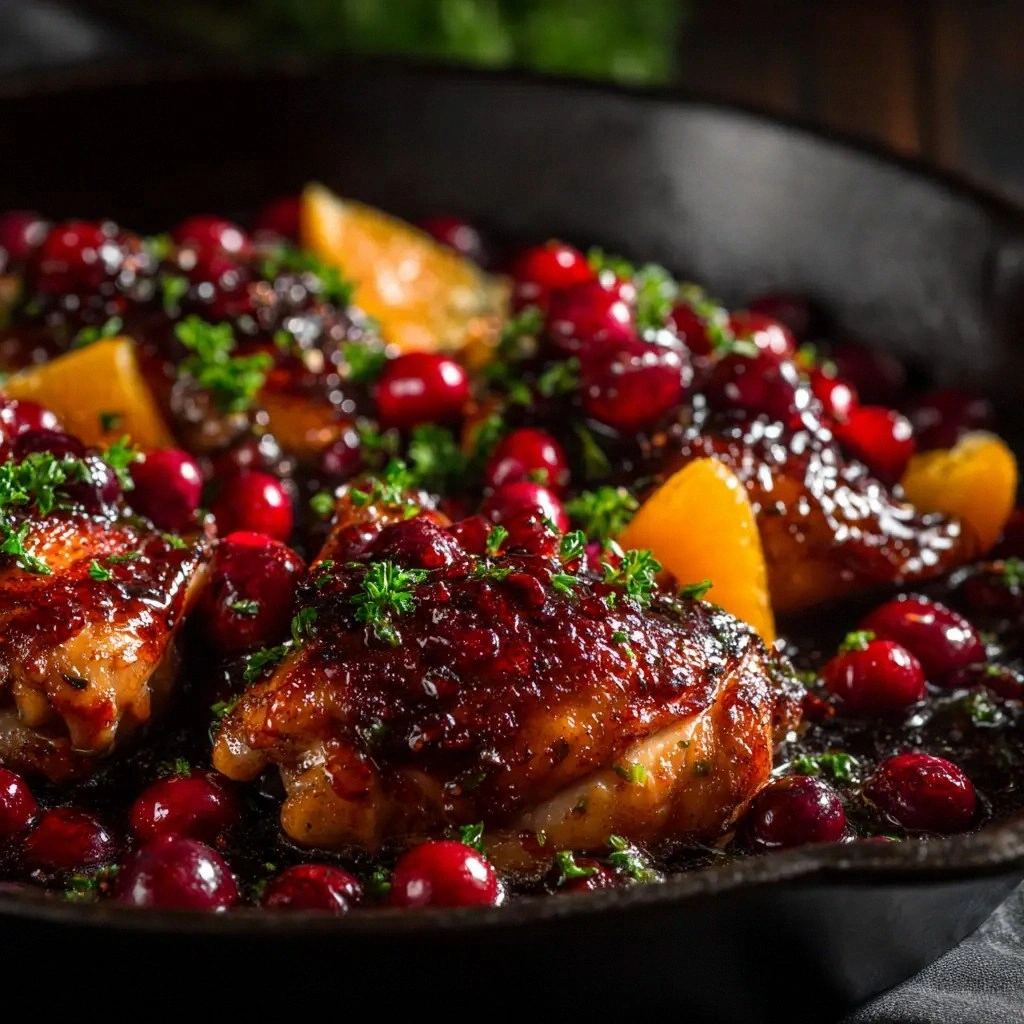
The moment the mixture hit the back of my hand, the aroma was so intense it felt like the whole kitchen was breathing in a deep, buttery sigh. The color was a glossy amber that hinted at caramelization, the texture silky yet thick enough to cling to meat like a second skin. I slathered it over chicken thighs, let it sit for ten minutes, and then threw them onto a hot grill. The sizzle that followed was pure magic — a crackling chorus that made the neighbors peek over the fence, wondering what on earth was cooking.
Most marinades out there are either too watery, leaving you with a soggy bite, or they’re overloaded with sugar, turning everything into a burnt mess. This version? It’s the Goldilocks of marinades — perfectly balanced, with just enough acidity to brighten, enough sweetness to caramelize, and enough umami to make your taste buds do a happy dance. I dare you to taste this and not go back for seconds; the flavor profile is so layered that each bite feels like uncovering a new secret.
But wait, there’s a twist that most recipes completely miss: a dash of smoked paprika and a whisper of cumin that add depth without overwhelming the palate, plus a splash of Worcestershire sauce that brings an earthy, almost meaty undertone. Let me walk you through every single step — by the end, you’ll wonder how you ever made it any other way. Okay, ready for the game‑changer?
What Makes This Version Stand Out
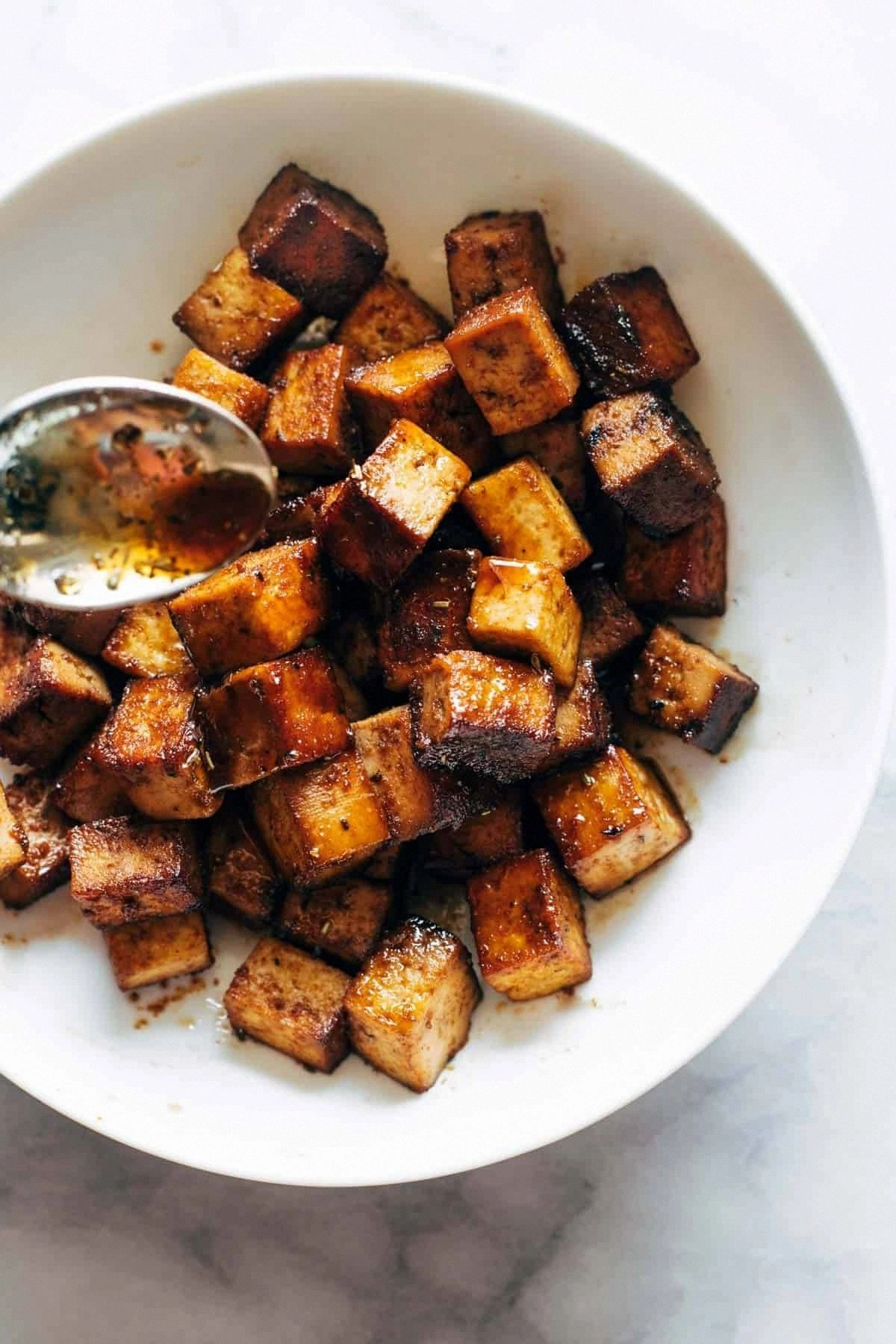
- Flavor Balance: The marriage of sweet honey, tangy lemon, and salty soy creates a harmony that sings on any protein, from chicken to tofu.
- Texture Mastery: The olive oil base gives a silky coating, while the mustard and Worcestershire add a subtle viscosity that clings without dripping.
- Simplicity: You only need pantry staples and a few fresh aromatics, making it a weeknight hero without a trip to the specialty store.
- Unique Twist: The smoked paprika and cumin are the secret agents that turn a regular marinade into a smoky, earthy masterpiece.
- Crowd Reaction: Guests have been known to ask for the recipe before the main course even arrives — a true conversation starter.
- Ingredient Quality: Using extra‑virgin olive oil and fresh garlic ensures that every drop is packed with flavor, not just filler.
- Cooking Method Flexibility: Works on the grill, in the oven, or even in a skillet — the same glorious results each time.
- Make‑Ahead Potential: This marinade can sit in the fridge for up to three days, getting even more flavorful as the spices meld.
Inside the Ingredient List
The Flavor Base
Olive Oil (½ cup): This is the carrier that transports all the flavors onto your protein. Using a good extra‑virgin olive oil adds a buttery richness that cheap oils simply can’t match. If you skip it, the marinade will cling poorly and your meat may end up dry. Pro tip: Look for oil with a green label and a fresh, grassy aroma.
Soy Sauce (¼ cup): The salty umami backbone that lifts the entire profile. It also adds a beautiful deep color, making the final dish look restaurant‑ready. A low‑sodium version works if you’re watching your salt intake, but don’t skimp on the depth. Swap: Tamari for a gluten‑free alternative.
Honey (2 tbsp): Balances the acidity and brings a caramelized glaze when cooked. Too much sugar would make it burn, so the measured amount is key. If you’re vegan, maple syrup or agave nectar can step in without losing the sweet‑to‑savory dance.
The Texture Crew
Worcestershire Sauce (2 tbsp): Adds depth with its anchovy‑derived umami, subtly enhancing the meat’s natural flavor. It also contributes a slight tang that keeps the palate from feeling flat. Omit it and you’ll miss that mysterious “something‑else” that makes this sauce unforgettable.
Dijon Mustard (2 tbsp): Provides a gentle heat and a creamy body, preventing the mixture from separating. The mustard’s acidity also helps tenderize tougher cuts. If you’re allergic to mustard, try a teaspoon of grainy mustard for a similar texture.
Fresh Garlic (3 cloves, minced): Aromatic power‑house that transforms the sauce from bland to bold. Mince it finely so it distributes evenly; large chunks can bite back with sharpness. Roasting the garlic first would mellow the flavor, but we want that raw punch.
The Unexpected Star
Fresh Ginger (1 tbsp, grated): Gives a bright, peppery zing that cuts through the richness. It also acts as a natural tenderizer, especially for tougher proteins like pork shoulder. If ginger isn’t your thing, a pinch of ground ginger can still deliver a hint of warmth.
Smoked Paprika (1 tsp): This is the secret sauce that adds a whisper of smoke without a grill. It brings a deep, earthy sweetness that makes the marinade feel “finished.” A regular paprika would lack that smoky allure, so don’t substitute unless you’re okay with a milder profile.
Ground Cumin (1 tsp): Earthy, nutty, and slightly citrusy, cumin rounds out the flavor circle. It works especially well with the smoked paprika, creating a subtle Mexican‑inspired undertone. Too much cumin can dominate, so stick to the measured teaspoon.
The Final Flourish
Black Pepper (1 tsp): Freshly cracked pepper adds a gentle heat and a fragrant bite. Pre‑ground pepper loses its punch, so grind it right before mixing. If you love spice, add a pinch of cayenne for extra kick.
Salt (1 tsp): Enhances all the other flavors and helps the meat retain moisture. Use kosher or sea salt for a cleaner taste; table salt can make the mixture too salty.
Lemon Juice (2 tbsp): The bright acidity that lifts the whole concoction, preventing it from feeling heavy. It also helps the sauce penetrate the meat faster. If lemons are out of season, a splash of rice vinegar works as a stand‑in.
Everything's prepped? Good. Let's get into the real action, where the magic happens and the kitchen becomes your laboratory.
The Method — Step by Step
Start by gathering all your ingredients on a clean countertop; this visual cue prevents the dreaded “I forgot the garlic” moment. Grab a large mixing bowl — stainless steel works best because it doesn’t react with the acidic lemon juice. Pour the olive oil, soy sauce, honey, Worcestershire, and Dijon mustard into the bowl. Whisk vigorously until the mixture becomes a uniform, glossy emulsion that looks like liquid gold.
Kitchen Hack: Use a small hand‑held frother to blend the base; it creates a micro‑foam that ensures every herb and spice stays suspended.Now add the aromatics: minced garlic, grated ginger, smoked paprika, cumin, black pepper, and salt. Sprinkle them in slowly while continuously whisking, allowing each spice to dissolve and release its essential oils. You’ll notice a fragrant cloud rising — that’s the scent of anticipation, the moment your kitchen starts to feel like a five‑star test kitchen.
Finish the liquid by whisking in the lemon juice and a final drizzle of olive oil for extra silkiness. The acidity should cause a slight “popping” sound as bubbles form — a sensory checkpoint that the balance is spot on. Taste the mixture; it should be bright, slightly sweet, and salty enough to make your taste buds perk up.
Select your protein — chicken thighs, pork chops, shrimp, or even hearty vegetables like cauliflower. Pat them dry with paper towels; excess moisture prevents the marinade from adhering properly. Place the protein in a resealable zip‑lock bag or a shallow glass dish.
Pour the marinade over the protein, ensuring every surface is fully coated. Seal the bag or cover the dish and give it a gentle massage, coaxing the sauce into every crevice. For maximum flavor penetration, let it rest in the refrigerator for at least 30 minutes; if you’re daring, go for 2‑4 hours.
Watch Out: If you marinate for more than 6 hours, the lemon juice can start “cooking” the protein, leading to a mushy texture. Set a timer!When you’re ready to cook, preheat your grill or skillet to medium‑high heat (about 400°F/200°C). The surface should be hot enough that a drop of the marinade sizzles instantly, a sign you’ve reached the perfect sear temperature.
Remove the protein from the marinade, letting excess drip off — you want a thin coating, not a swimming pool. Place the pieces onto the hot surface, hearing that satisfying sizzle that tells you the Maillard reaction is in full swing. Cook each side for 4‑6 minutes, depending on thickness, until the exterior is caramelized and the interior reaches safe temperature.
Kitchen Hack: Baste the protein with any leftover marinade during the last minute of cooking for an extra glossy, flavor‑intense finish.Once cooked, let the meat rest for 5 minutes; this redistributes the juices and lets the flavors settle. While it rests, take a moment to admire the caramelized edges that shatter like thin ice when cut — that’s the texture you’ve been promised.
Slice, plate, and drizzle any remaining warm sauce over the top. Picture yourself pulling this out of the oven, the whole kitchen smelling incredible, and the first bite delivering a burst of sweet, salty, smoky, and tangy notes that dance together like a well‑rehearsed orchestra.
That's it — you did it. But hold on, I've got a few more tricks that'll take this to another level, because why settle for great when you can have legendary?
Insider Tricks for Flawless Results
The Temperature Rule Nobody Follows
Never marinate at room temperature; always keep it chilled. The cooler environment slows down bacterial growth and allows the flavors to meld gradually. I once left a batch out on a sunny patio, and the garlic turned bitter — a hard lesson learned. Keep the bowl in the fridge, and you’ll get a cleaner, more balanced flavor profile every time.
Why Your Nose Knows Best
Before you taste, give the sauce a quick sniff. If you detect a sharp, raw garlic note, let it sit an extra five minutes; the garlic will mellow and become sweeter. Trust your olfactory senses — they’re more reliable than a timer when it comes to flavor development. One sniff and you’ll know whether it’s ready to rock your palate.
The 5‑Minute Rest That Changes Everything
After you finish cooking, let the protein rest for exactly five minutes. This short pause lets the juices redistribute and the surface glaze set, preventing soggy spots. I’ve seen people cut into meat immediately and end up with a puddle of lost flavor; a five‑minute wait eliminates that tragedy.
Double‑Layer Flavor Boost
Create a thin second glaze by whisking together a tablespoon of the original marinade with a splash of water. Brush it on during the last minute of grilling. This double‑layer technique adds a glossy finish and intensifies the caramelized notes without making the dish overly salty.
Herb‑Infused Oil Shortcut
If you love herbaceous notes, toss a handful of fresh rosemary or thyme into the olive oil before whisking. Let it steep for ten minutes, then strain. The oil will carry subtle herb aromatics that lift the entire dish.
Creative Twists and Variations
This recipe is a playground. Here are some of my favorite ways to switch things up:
Spicy Sriracha Splash
Add two teaspoons of sriracha and a pinch of smoked chipotle powder. The result is a smoky‑heat version that pairs spectacularly with grilled shrimp. Heat lovers will thank you, and the sweet honey keeps the fire from becoming overwhelming.
Herbaceous Green Goddess
Blend a handful of fresh basil, parsley, and cilantro into the olive oil before mixing. This bright green twist adds a garden‑fresh vibe, perfect for summer barbecues. The herbs also lend a subtle bitterness that balances the honey’s sweetness.
Asian‑Inspired Sesame
Swap the lemon juice for rice vinegar and stir in a tablespoon of toasted sesame oil and a sprinkle of toasted sesame seeds. The nutty, tangy profile works wonders on tofu or pork belly, turning the dish into a cross‑cultural experience.
Citrus Burst
Replace the lemon with equal parts orange and lime juice, and add a zest of grapefruit. This triple‑citrus version brightens the palate, making it an ideal companion for fish or chicken wings.
Smoky Bourbon Infusion
Stir in a tablespoon of bourbon and a dash of liquid smoke for a deep, smoky undertone. The alcohol evaporates during cooking, leaving behind a caramel‑like richness that’s perfect for a hearty steak.
Storing and Bringing It Back to Life
Fridge Storage
Transfer the leftover marinade to an airtight glass jar and store it in the refrigerator for up to three days. The flavors will continue to meld, becoming even more harmonious. Before reusing, give it a good shake to reincorporate any settled ingredients.
Freezer Friendly
If you’ve made a big batch, pour the sauce into silicone ice cube trays and freeze. Once solid, pop the cubes into a zip‑lock bag for up to three months. This method lets you grab a portion whenever you need a quick flavor boost.
Best Reheating Method
When reheating, place the sauce in a small saucepan over low heat and add a splash of water — just enough to create gentle steam. This prevents the sauce from drying out and revives its silky texture. Stir constantly until it glistens again, then drizzle over your reheated protein.