Love this? Pin it for later! 📌
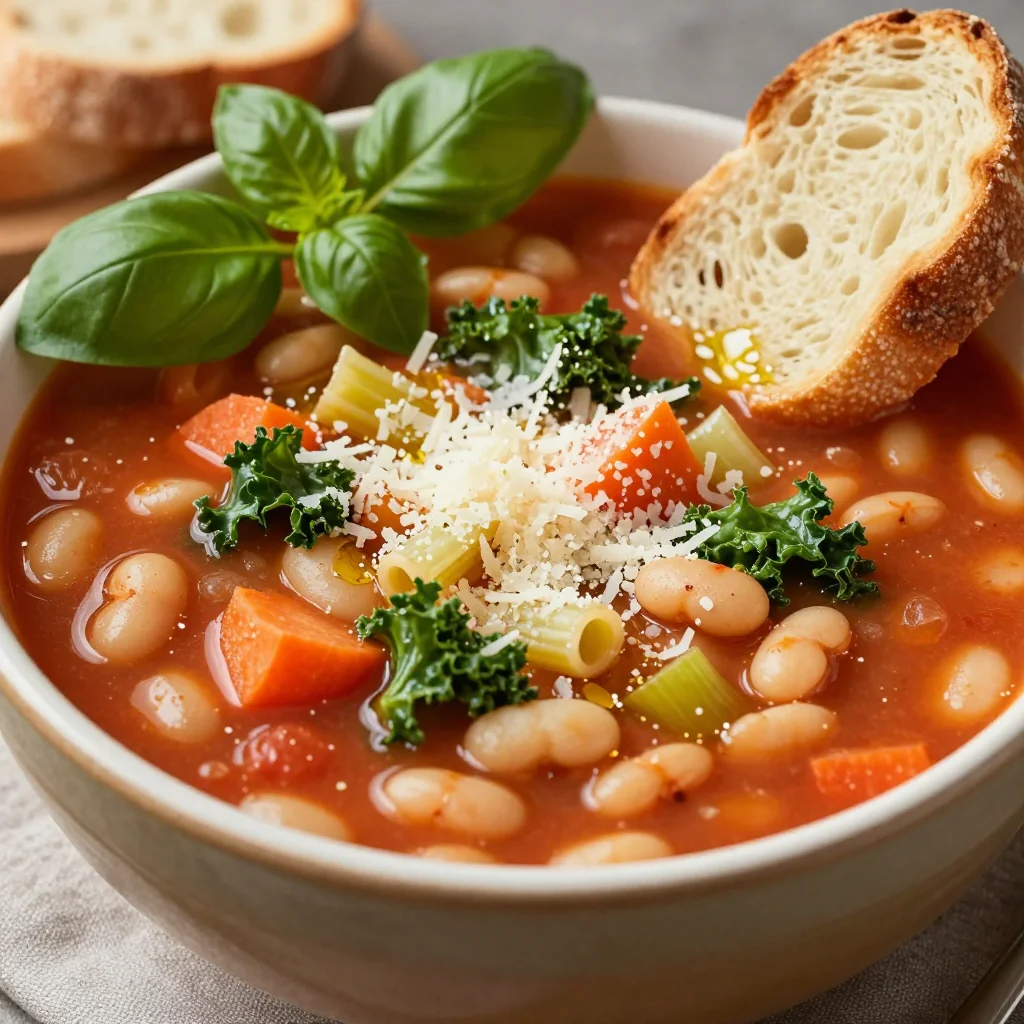
Enter this slow-cooker minestrone: a thick, vegetable-laden, Parmesan-capped bowl of comfort that greets you at the end of a bleak winter day like a golden-retriever puppy who’s been waiting by the door. It’s the recipe I’ve tweaked every January since, the one I batch-cook on Sunday afternoons while the laundry spins, the one I ladle into quart containers and tuck into the freezer for future “I can’t even” weeknights. Because here’s the magic—unlike many slow-cooker soups that turn murky and overcooked, this minestrone keeps its vibrant color, its tender-but-intact vegetables, and its soul-warming flavor for up to four months in deep freeze. One hour of gentle prep, eight hours of hands-off simmering, and you’ve got lunch and dinner locked down for weeks. Let’s make winter feel a little less endless, one spoonful at a time.
Why This Recipe Works
- Set-it-and-forget-it: Dump, stir, walk away—no pre-sautéing required.
- Freezer-bullets: Portion into 2-cup jars, freeze flat, and you’ve got instant single-serve lunches.
- Veggie flexibility: Swap in whatever’s lurking in the crisper—kale for spinach, butternut for zucchini.
- Plant-powered protein: Creamy cannellini beans plus petite pasta deliver 14 g protein per bowl.
- Layered flavor trick: A rind of Parmesan simmered in the broth adds umami that tastes like it cooked all day on Nonna’s stove.
- Budget-friendly: Feeds 10 for under $12, even with organic produce.
- One-pot tidy: Slow-cooker insert goes straight to the table, then the dishwasher—minimal cleanup.
Ingredients You'll Need
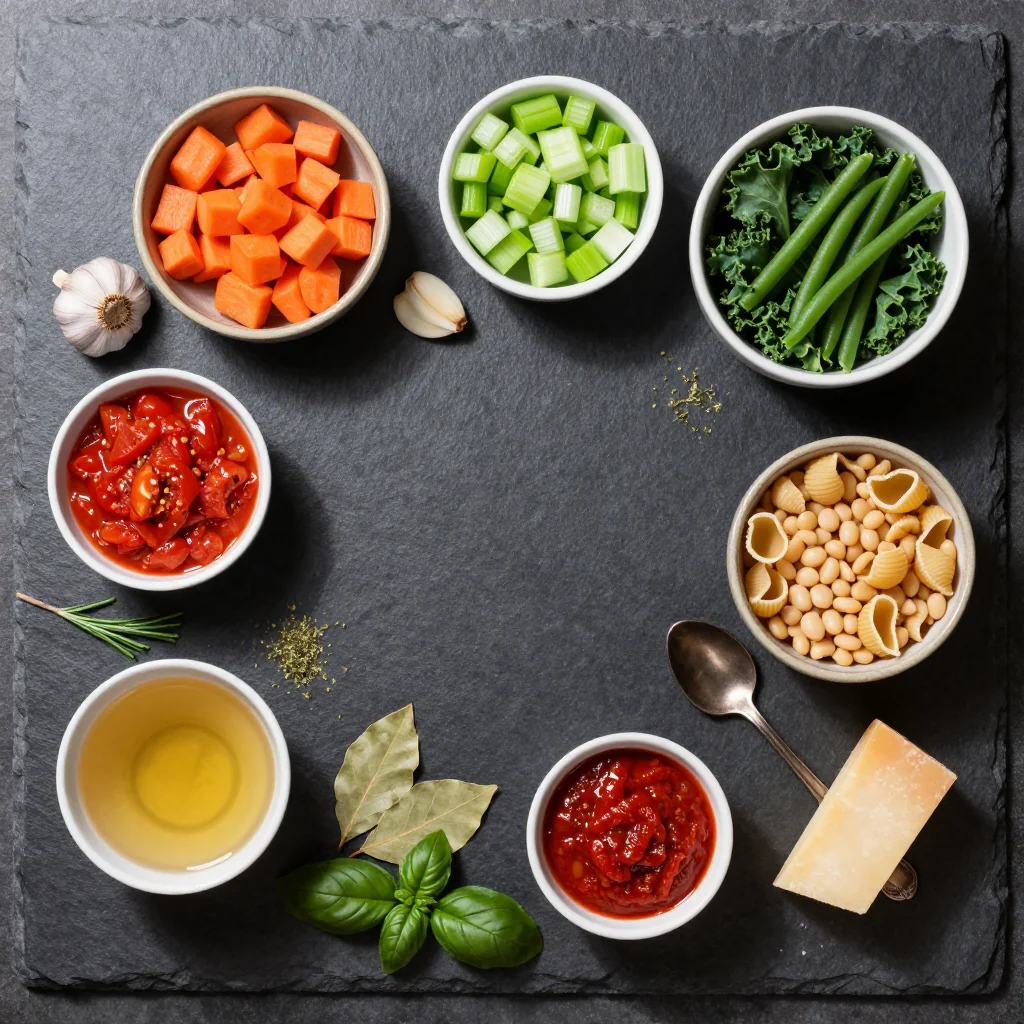
Great minestrone starts with humble pantry staples, but a few quality upgrades turn “ordinary” into “can I have the recipe?”
Olive oil: Use a fruity, everyday extra-virgin—something you’d happily dip bread in. You only need a tablespoon to slick the bottom of the insert, but it perfumes the whole pot.
Mirepoix trio: One large sweet onion, three stalks of celery, and two fat carrots. Look for carrots with the tops still attached; they’re sweeter and less woody. Dice small so they melt into the broth but still give spoonable texture.
Garlic: Four cloves, smashed and minced. If you’re a garlic fiend (hi, friend), spring for the fresh stuff—jarred tastes tinny after eight hours of slow heat.
Tomato paste: A whole 3-oz can, browned for 90 seconds in the microwave (trust me) to caramelize the sugars before it hits the crock. Sun-dried tomato paste is a splurge-worthy swap.
Low-sodium vegetable broth: 6 cups. Boxed is fine, but if you’ve got homemade stashed in the freezer, now’s its moment to shine.
Fire-roasted diced tomatoes: One 28-oz can. Fire-roasted brings subtle smokiness without extra work. Reserve the juice—every drop equals flavor.
Cannellini beans: Two 15-oz cans, drained and rinsed. Creamy interior stays intact; navy or great Northern work, but cannellini feel luxurious.
Red kidney beans: One 15-oz can. Their earthy backbone balances the sweeter veggies. Light or dark both suffice.
Zucchini: Two small or one baseball-bat monster. If it’s garden season, grate the oversized ones; they disappear into the broth and add body.
Green beans: A generous handful of haricots verts if you’re feeling French, otherwise standard trimmed beans cut into 1-inch pieces. Frozen haricots are a winter lifesaver—no prep, no mush.
Parmesan rind: The gnarly edge you’ve been saving in the freezer door. No rind? Grab a 2-oz chunk of Parm and shave off the waxy edge; toss the rest in.
Italian seasoning: 2 tsp. Make your own: ½ tsp each dried oregano, basil, thyme, rosemary, plus a pinch of red-pepper flakes for polite heat.
Bay leaf: One sturdy Turkish bay leaf; California ones are stronger, so halve if that’s what you’ve got.
Ditalini pasta: 1 cup dry. Tiny tubes cradle the beans—like edible nesting dolls. Gluten-free chickpea ditalini holds up without gumminess.
Fresh baby spinach: 3 packed cups. Frozen leaf spinach (thawed and squeezed) subs in a pinch, but fresh keeps the color jewel-bright.
Lemon juice & zest: Half a lemon added at the end wakes everything up like a splash of cold water on a sleepy face.
Fresh basil & parsley: A shower of each just before serving. In January, the hydroponic clamshell herbs are worth every penny.
Salt & pepper: Add at the end; broth and Parmesan rind contribute salinity as they simmer.
How to Make Slow Cooker Minestrone Soup for Winter Meal Prep
Morning mise en place
The night before, chop all vegetables and store in zip-top bags—onion/carrot/celery together, zucchini/green beans together. In the morning, you’re five minutes from “on” button. Pro tip: place the pasta in a small snack bag on top of the veggie bag so you don’t forget it later.
Layer for success
Drizzle olive oil on the bottom of a 6- to 8-quart slow cooker. Scatter onion, carrot, and celery; sprinkle with ½ tsp salt (this helps them sweat). Add garlic, tomato paste, and Italian seasoning. Stir just enough to coat—no need to dirty another spoon.
Build the broth
Pour in vegetable broth and canned tomatoes with their juice. Add beans, zucchini, green beans, bay leaf, and Parmesan rind. Give one gentle fold; the rind should bob like a happy otter. Resist over-stirring—beans can bruise.
Low and slow
Cover and cook on LOW 7–8 hours or HIGH 4 hours. The timing sweet spot is when carrots yield to a fork but don’t dissolve—think al dente, not baby food.
Pasta timing
Thirty minutes before serving, turn cooker to HIGH and stir in dry ditalini. Replace lid; pasta will cook in the simmering soup without going mushy. If you’ll be out of the house, cook pasta separately and add when you get home.
Green finish
Fold in spinach and lemon juice; cover 5 minutes until wilted. Fish out bay leaf and Parmesan rind (or let the rind break apart for bonus cheesy bits). Taste, then season boldly with salt and lots of freshly cracked pepper.
Serve & garnish
Ladle into deep bowls, shower with basil and parsley, and pass around crusty bread plus a dish of grated Parmesan. If meal-prepping, let soup cool 30 minutes, then portion into 2-cup glass jars, leaving 1 inch for expansion.
Freezer flash-cool
For fastest cooling, submerge sealed jars in an ice-water bath 20 minutes, then refrigerate overnight before freezing. Label with blue painter’s tape—ink smears in the frost. Thaw overnight in fridge or microwave straight from frozen (remove metal lid first).
Expert Tips
Keep pasta firm
Under-cook by 2 minutes; residual heat finishes it. If storing leftovers, add a splash of broth when reheating because pasta keeps slurping liquid.
Overnight soak trick
If you prefer dried beans, soak 1 cup cannellini overnight, simmer 30 minutes on stove, then add to cooker. Texture rivals canned.
Winter veg swap
No zucchini? Cubes of butternut squash or parsnip add sweetness. Roast them first for 15 minutes at 425 °F for deeper flavor.
Spice it up
Add ¼ tsp smoked paprika and a pinch of cayenne for Spanish flair. Finish with a squeeze of orange instead of lemon—game changer.
Zero-waste broth
Save carrot peels, onion ends, and herb stems in a freezer bag; when full, simmer 30 minutes for free vegetable stock. Strain, cool, use within 4 days.
Speed thaw
Forgot to defrost? Run sealed freezer bag under hot tap 3 minutes, then slide block into saucepan with ½ cup water; simmer 8 minutes, stirring.
Variations to Try
-
Meat-lover’s: Brown 6 oz Italian turkey sausage, crumble, and add with the broth. Count on 30 extra calories per serving.
-
Grain-free: Skip pasta and stir in 1 cup cooked farro or quinoa at the end for chewier texture and added fiber.
-
Creamy Tuscan: Blend ½ cup white beans with ½ cup broth until silky; stir in during last 10 minutes for chowder-like body.
-
Summer garden: Replace zucchini with yellow squash, add fresh corn kernels, and finish with diced ripe tomatoes instead of canned.
-
Low-carb green: Sub diced cauliflower and extra spinach for beans; use shirataki rice in place of pasta. Simmer 20 minutes only to prevent mush.
Storage Tips
Refrigerator: Cool completely, transfer to airtight containers, and refrigerate up to 5 days. Keep pasta separate if you dislike bloat.
Freezer: Ladle into 16-oz deli containers or silicone Souper Cubes; freeze up to 4 months. For best texture, under-fill by ½ inch and press plastic wrap directly on surface.
Reheating: Stovetop over medium-low 8 minutes, stirring often. Microwave: cover with vented lid, 2 minutes, stir, 1–2 minutes more. Thin with broth or water; taste and re-season.
Meal-prep power hour: Double batch, cool in an ice-bath, fill six 2-cup jars, label, freeze flat on sheet pan. Stack like bricks for space-saving zen.
Frequently Asked Questions
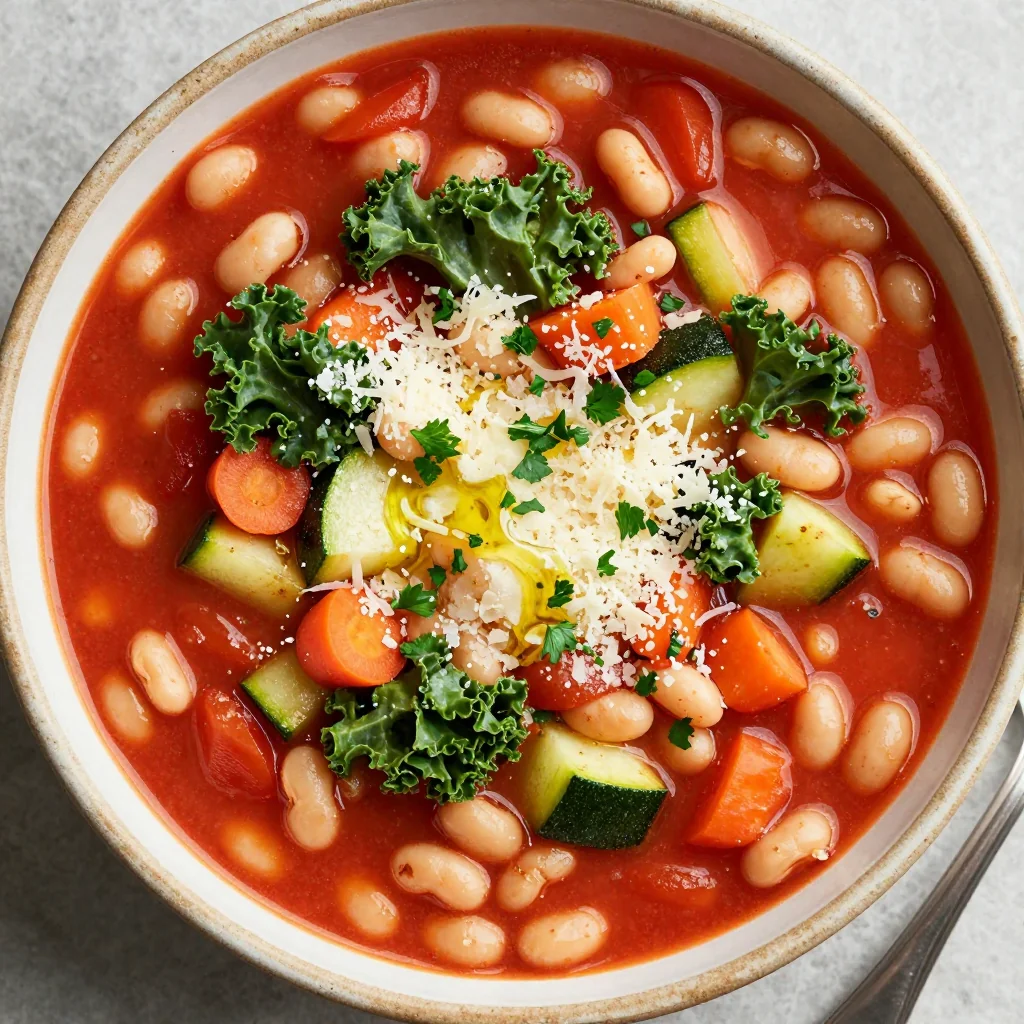
Slow Cooker Minestrone Soup for Winter Meal Prep
Ingredients
Instructions
- Layer vegetables: Drizzle olive oil in slow cooker. Add onion, carrot, celery, garlic, tomato paste, and Italian seasoning; stir to coat.
- Add liquids & beans: Pour in broth and diced tomatoes. Fold in cannellini, kidney beans, zucchini, green beans, Parmesan rind, and bay leaf.
- Slow cook: Cover and cook on LOW 7–8 hours or HIGH 4 hours, until vegetables are tender.
- Cook pasta: Stir in ditalini; cover and cook on HIGH 30 minutes more.
- Finish greens: Add spinach and lemon juice; cover 5 minutes until wilted. Remove bay leaf.
- Season & serve: Salt and pepper to taste. Garnish with basil, parsley, and grated Parmesan. Cool completely before freezing.
Recipe Notes
For meal prep, divide soup into 2-cup containers and freeze up to 4 months. Thaw overnight in fridge or microwave from frozen, adding broth as needed.