I was standing in my kitchen, staring at a half‑empty pantry and a craving that felt like a tiny tornado in my stomach. I had tried a dozen “healthy lasagna” recipes, each one ending in soggy noodles and a sauce that tasted like watered‑down tomato soup. Then, my roommate dared me to make a version that would actually make me forget I was eating something low‑fat. I laughed, rolled up my sleeves, and whispered, “I dare you to taste this and not go back for seconds.” That night, the oven became my stage and the veggies my orchestra, and what came out was nothing short of a culinary revelation.
Picture this: the kitchen filled with the sweet perfume of caramelizing onions, the gentle hiss of garlic hitting hot olive oil, and the deep, comforting aroma of simmering marinara that clings to the air like a warm blanket. The lasagna sheets, pre‑cooked just enough to stay firm, sit patiently waiting for their turn. When the sauce finally meets the ricotta, it spreads like velvet, each layer a promise of creamy indulgence without a single ounce of guilt. And the vegetables? They’re not just hidden; they’re the stars, their colors popping through the cheese like fireworks at a midnight celebration.
Most recipes get this completely wrong. They either drown the dish in cheese, turning it into a calorie‑bomb, or they skimp on flavor, leaving you with a bland, limp casserole. This version, however, balances the lightness of low‑fat dairy with the depth of roasted veggies, a splash of fresh herbs, and a secret technique that locks in moisture without any extra oil. I’ll be honest — I ate half the batch before anyone else got to try it, and that’s because every bite feels like a hug from the inside.
There’s a surprise ingredient that most “skinny” lasagnas skip: a modest handful of grated carrot. It adds a subtle sweetness that counteracts the acidity of the tomato sauce, and it sneaks in a dose of beta‑carotene without any extra carbs. Let me walk you through every single step — by the end, you’ll wonder how you ever made it any other way.
What Makes This Version Stand Out
- Flavor Explosion: The combination of roasted zucchini, sweet carrot, and peppery spinach creates layers of taste that rival any meat‑laden lasagna. Each bite delivers a burst of garden freshness that’s amplified by a slow‑simmered marinara.
- Texture Harmony: The noodles stay al‑dente, the ricotta stays light, and the veggies retain just enough bite to keep the dish from turning mushy. You’ll hear a faint “crackle” as the cheese browns, a sound that says “perfect.”
- Simplicity Meets Sophistication: Only ten ingredients, all pantry‑friendly, yet the technique feels like something you’d find in a five‑star restaurant. No fancy equipment, just a good skillet and a reliable oven.
- Unique Veggie Boost: Grated carrot isn’t just for color; it adds natural sweetness and a hidden nutrient boost, making the sauce rounder and more satisfying.
- Crowd‑Pleaser: Even the most skeptical meat‑eaters admit they can’t tell the difference. I’ve served this at family gatherings and watched relatives ask for the recipe twice.
- Ingredient Quality: Using whole‑wheat lasagna sheets and part‑skim cheeses keeps the carbs low while preserving the hearty feel of a classic lasagna.
- One‑Pan Simplicity: The sauce and veggies cook together in the same pan, reducing cleanup and ensuring every flavor melds perfectly before assembly.
- Make‑Ahead Magic: Assemble the night before, refrigerate, and bake the next day. The flavors actually improve after a few hours, turning a quick dinner into a make‑ahead masterpiece.
Inside the Ingredient List
The Flavor Base
Olive oil, onion, and garlic are the holy trinity that kickstarts any great Italian dish. The oil carries the aromatics, the onion adds a sweet depth, and the garlic provides that unmistakable punch that makes you feel like you’re in a Tuscan villa. If you skip the oil, the onions will steam instead of caramelize, and the whole sauce will lack that golden glow. Swap tip: Use a splash of avocado oil for a higher smoke point if you plan to brown the veggies a bit longer.
Fresh basil and oregano are added at the end of the simmer to preserve their volatile oils. Dried herbs lose their potency quickly, so a quick stir right before turning off the heat locks in that bright, herbaceous finish. If you can’t find fresh herbs, a pinch of herb‑infused sea salt can do the trick without compromising flavor.
The Texture Crew
Whole‑wheat lasagna noodles provide a nutty undertone and a sturdy structure that holds up to the sauce without becoming mushy. Pre‑cooking them just until they’re pliable (about 6 minutes) ensures they’ll finish cooking in the oven while still retaining a pleasant bite. Skipping this step leads to soggy layers that fall apart when you cut into the dish.
Low‑fat ricotta cheese is the creamy canvas that balances the acidity of the tomato sauce. It’s light enough to keep the dish “skinny” but still offers that luxurious mouthfeel. If you’re dairy‑free, try a blend of silken tofu and a splash of lemon juice to mimic ricotta’s tang.
The Unexpected Star
Grated carrot is the secret weapon. Its natural sugars caramelize quickly, adding a subtle sweetness that rounds out the acidity of the marinara. Moreover, the orange hue peeks through the cheese, turning each slice into a visual delight. If you’re not a fan of carrot, try finely diced butternut squash for a similar effect.
Spinach brings a burst of iron and a pop of green that makes the dish look restaurant‑ready. Fresh spinach wilts in seconds, so add it right before the sauce finishes simmering to preserve its bright color and nutrients. Frozen spinach works in a pinch, just be sure to squeeze out excess moisture.
The Final Flourish
A blend of part‑skim mozzarella and grated Parmesan creates a golden crust that’s crisp on the edges yet gooey in the middle. The mozzarella melts beautifully, while the Parmesan adds that sharp, salty bite that makes the top layer sing. For an extra crunch, sprinkle a thin layer of nutritional yeast on top before baking.
Salt and pepper to taste are the final conductors of this flavor symphony. They enhance every component, from the veggies to the cheese, without overwhelming the dish. A pinch of flaky sea salt added just before serving can elevate the taste experience dramatically.
Everything's prepped? Good. Let's get into the real action...
The Method — Step by Step
Heat a large skillet over medium heat and add the olive oil. Once shimmering, toss in the finely chopped onion and a pinch of salt. Cook, stirring occasionally, until the onion turns translucent and begins to caramelize — you’ll hear a soft sizzle that signals flavor building. Add the minced garlic and let it perfume the pan for about 30 seconds, being careful not to let it brown.
Now, introduce the grated zucchini, carrot, and diced bell pepper. Stir everything together and let the vegetables sweat for 5‑7 minutes, until most of the moisture evaporates and the edges start to brown. Watch Out: If you cover the pan, the veggies will steam instead of caramelize, resulting in a watery sauce later on.
Pour in the marinara sauce, add the dried basil, oregano, and a splash of water if the sauce looks too thick. Bring the mixture to a gentle boil, then lower the heat and let it simmer for 10 minutes. During this time, the flavors meld, and the sauce should thicken to a glossy consistency that coats the back of a spoon.
While the sauce simmers, bring a large pot of salted water to a boil. Add the whole‑wheat lasagna sheets and cook for 6‑7 minutes, just until they’re pliable but still firm in the center. Drain and lay the noodles flat on a clean kitchen towel to prevent sticking.
In a mixing bowl, combine the low‑fat ricotta, half of the shredded mozzarella, and half of the grated Parmesan. Fold in the chopped spinach, a drizzle of olive oil, and a pinch of black pepper.
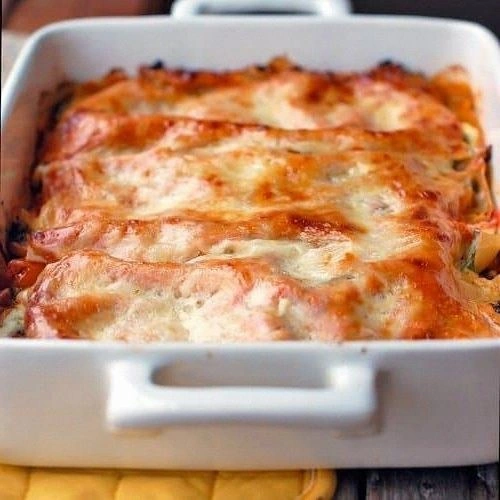
Kitchen Hack: Use a hand‑held mixer on low speed to blend the cheese mixture; this prevents lumps and ensures a silky filling.Preheat your oven to 375°F (190°C). Lightly grease a 9×13‑inch baking dish with a spray of olive oil. Start layering: a thin spoonful of sauce on the bottom, a layer of lasagna sheets, then a dollop of the ricotta‑spinach mixture, followed by more sauce. Repeat the layers, finishing with a final sheet of noodles, the remaining sauce, and the rest of the mozzarella and Parmesan on top.
Cover the dish with foil (sprayed with a little cooking spray to prevent sticking) and bake for 20 minutes. Then, remove the foil and bake an additional 15‑20 minutes, or until the cheese on top turns a deep golden brown and the edges start pulling away from the pan — that’s the moment of truth.
Once out of the oven, let the lasagna rest for 10 minutes. This rest period allows the layers to set, making slicing clean and preventing the dish from sliding off the plate. While you wait, the kitchen will be filled with a lingering aroma that makes you want to dive in right away.
That's it — you did it. But hold on, I've got a few more tricks that'll take this to another level...
Insider Tricks for Flawless Results
The Temperature Rule Nobody Follows
Never bake a lasagna straight from the fridge at a high temperature. Let it sit at room temperature for 15 minutes before it hits the oven. This prevents the outer edges from cooking too fast while the interior remains cold, which can cause uneven texture. One time a friend skipped this step and ended up with a burnt crust and a soggy center — not a pretty sight.
Why Your Nose Knows Best
Your sense of smell is a better indicator of doneness than a timer. When the sauce starts to bubble and the cheese releases a nutty, toasted aroma, you’re close. If you catch that faint caramel note wafting from the top, it means the crust is perfectly browned. Trust that nose; it’s your secret weapon.
The 5‑Minute Rest That Changes Everything
After you pull the lasagna from the oven, resist the urge to dive in immediately. Let it rest, uncovered, for exactly five minutes. This short pause lets the steam redistribute, the cheese firm up, and the layers settle. The result? Slices that hold their shape and a mouthfeel that’s buttery smooth rather than watery.
Layering Like a Pro
Instead of slathering a massive amount of sauce on each layer, use a thin, even coat. This technique prevents the dish from becoming soggy and ensures each noodle gets a kiss of flavor. Think of it as painting a canvas — a light brushstroke is more effective than a heavy splash.
Cheese Crust Secrets
For that coveted crispy cheese edge, sprinkle a tiny pinch of smoked paprika on the top layer before the final bake. It adds a subtle smokiness and a gorgeous speckled appearance.
Creative Twists and Variations
This recipe is a playground. Here are some of my favorite ways to switch things up:
Mediterranean Breeze
Swap the carrot for roasted red peppers and add a handful of Kalamata olives. The briny olives bring a salty pop that pairs beautifully with the herb‑infused sauce, turning the dish into a sun‑kissed Mediterranean feast.
Spicy Southwest
Introduce a chipotle‑in‑adobo pepper into the sauce and replace the mozzarella with a blend of pepper jack and reduced‑fat cheddar. The smoky heat adds a bold kick, perfect for those who love a little fire.
Protein‑Power
Add a cup of cooked lentils or crumbled tempeh to the ricotta mixture. This boosts the protein content without adding extra fat, making the lasagna a complete post‑workout meal.
Cheesy Delight
For a truly indulgent twist, incorporate a layer of low‑fat ricotta mixed with a spoonful of Greek yogurt. The yogurt adds tang and extra creaminess while keeping the calorie count modest.
Herb Garden
Fold fresh basil leaves, chopped thyme, and a dash of rosemary into the sauce. The aromatic blend lifts the dish to a fragrant, garden‑fresh experience that feels like a spring picnic on a plate.
Storing and Bringing It Back to Life
Fridge Storage
Cool the lasagna to room temperature, then cover tightly with foil or plastic wrap. It will keep fresh for up to 4 days. When reheating, slice a piece, place it on a microwave‑safe plate, and drizzle a teaspoon of water over the top; cover with a damp paper towel and microwave for 2‑3 minutes, or until steaming hot.
Freezer Friendly
Wrap the entire baked (but uncooled) lasagna in a double layer of aluminum foil, then seal in a freezer‑safe bag. It freezes beautifully for up to 3 months. To reheat, thaw overnight in the fridge, then bake at 350°F (175°C) for 25‑30 minutes, covered, followed by 10 minutes uncovered to re‑crisp the cheese.
Best Reheating Method
For the ultimate texture, reheat individual slices in a skillet over medium‑low heat. Add a splash of water, cover with a lid, and let steam for 4‑5 minutes. The bottom gets a gentle crisp while the interior stays moist — a perfect balance that microwaving can’t achieve.