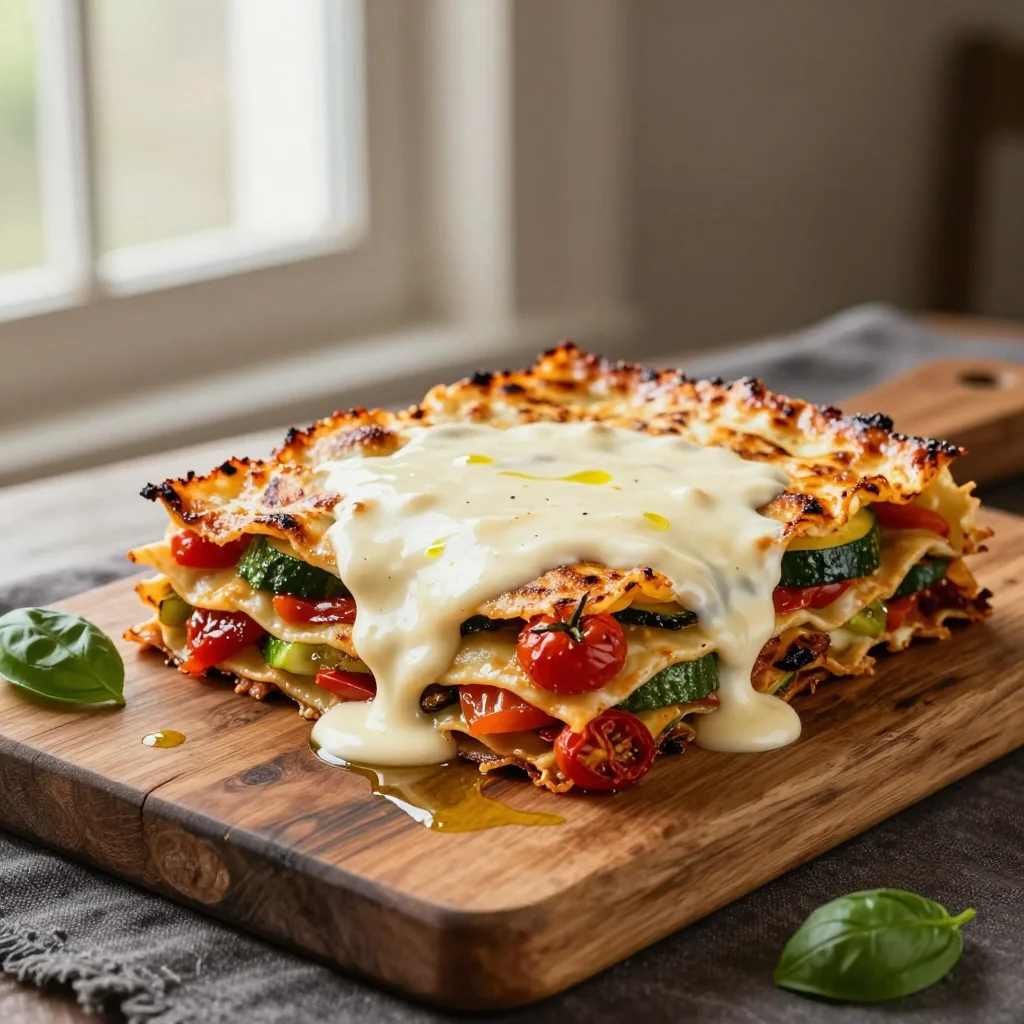
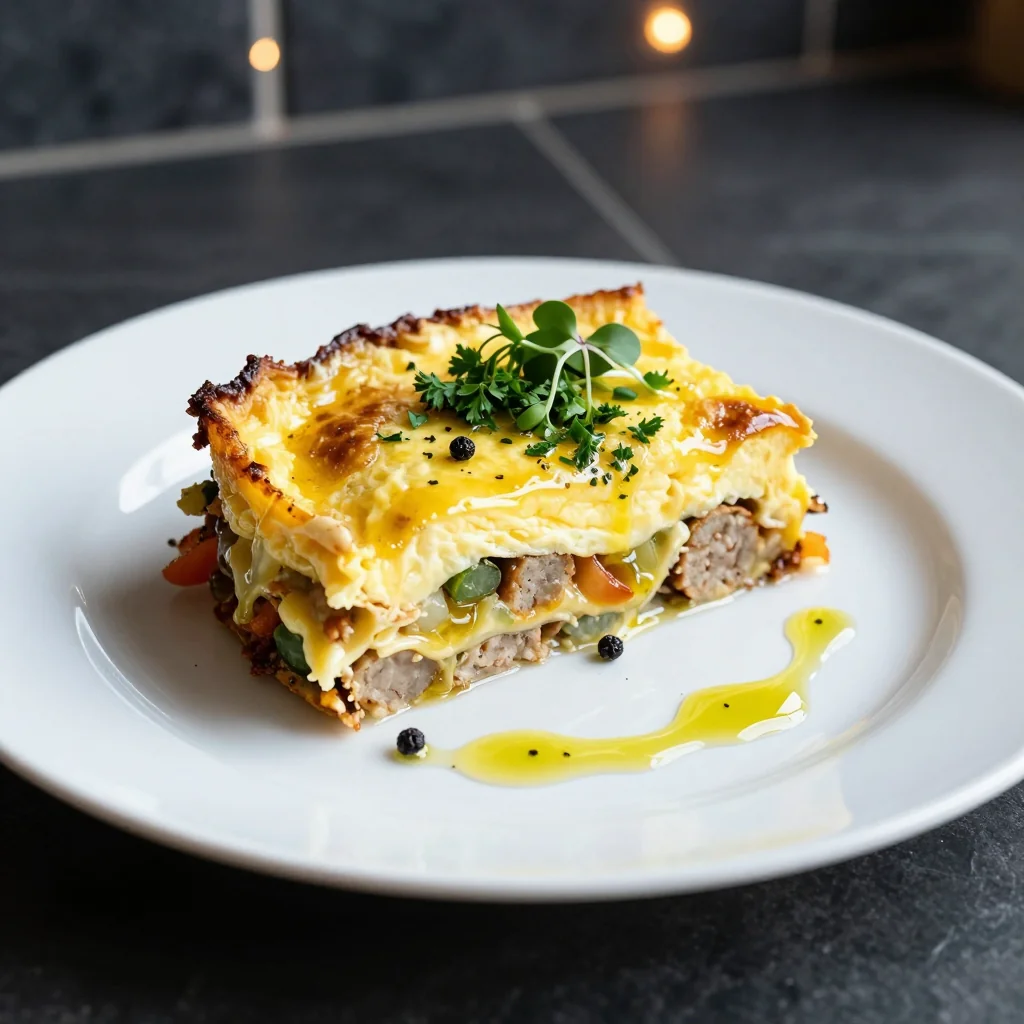
A comforting, oven‑baked masterpiece that layers caramelized garden vegetables with silky béchamel and tender pasta sheets.
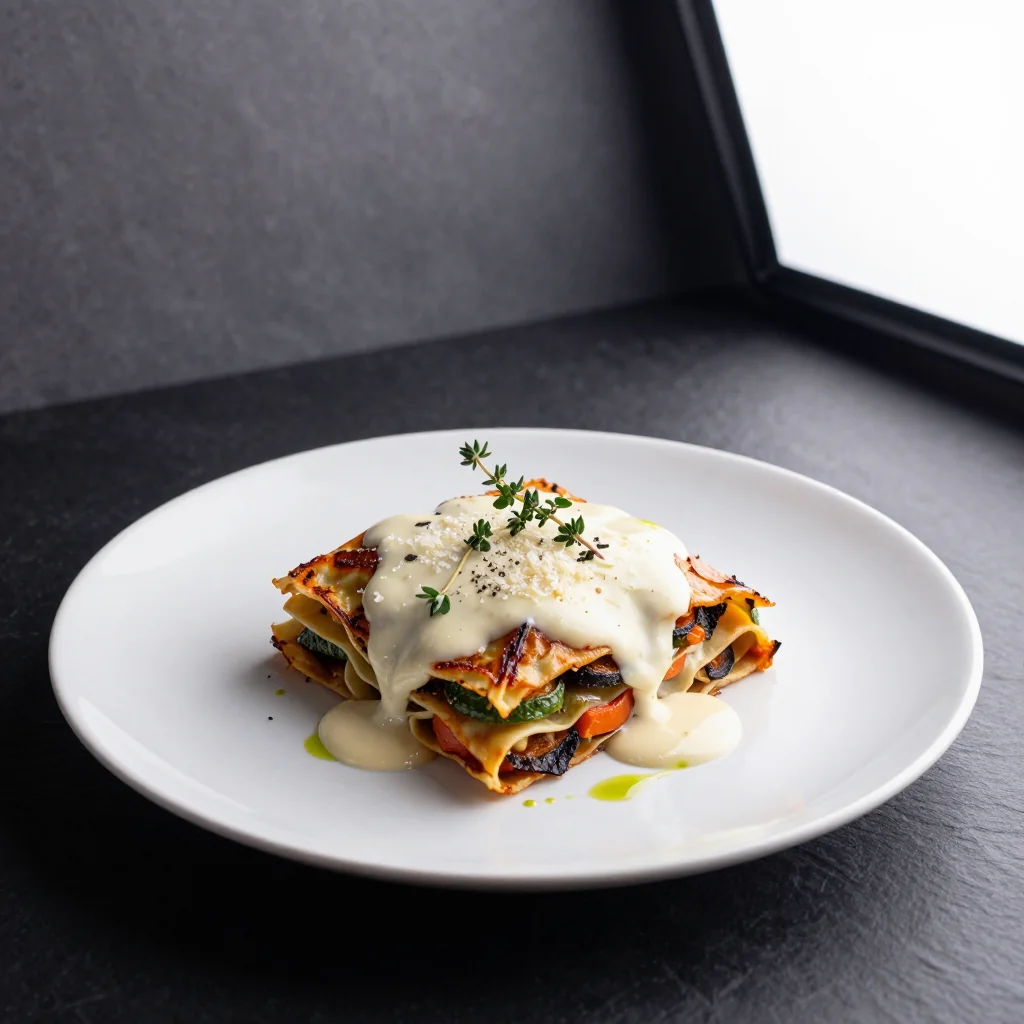
When I first stepped into my grandmother’s rustic kitchen in the Tuscan hills, the air was thick with the scent of roasted peppers and simmering milk. I remember the crackle of the oven door, the golden‑brown edges of vegetables that had spent an hour turning caramel under gentle heat, and the way the béchamel sauce whispered promises of silkiness. That memory sparked a lifelong love affair with layered dishes, and today I’m thrilled to share the very recipe that captures that moment.
Lasagna, in its many incarnations, has always been a celebration of comfort and community. This version draws inspiration from classic Italian tradition while embracing the bounty of seasonal vegetables that can be roasted year‑round. The white béchamel, brightened with a hint of nutmeg, acts as a luxurious canvas for the earthy medley of zucchini, eggplant, and bell peppers.
By the end of this guide you’ll understand why each step matters, how to achieve perfectly tender pasta sheets without pre‑cooking, and the science behind a béchamel that never lumps. You’ll also discover shortcuts that preserve flavor without sacrificing texture, ensuring that even a busy weeknight can feel like a special occasion.
Let’s roll up our sleeves, preheat the oven, and embark on a culinary journey that will leave your table glowing with color and aroma.
🌟 Why This Recipe Will Capture Your Heart
From the first bite to the lingering aftertaste, this lasagna blends wholesome vegetables with a creamy sauce that feels indulgent yet balanced.
- ✨ Vibrant Color Palette : The roasted vegetables provide a rainbow of reds, oranges, and greens that make the dish as visually stunning as it is tasty.
- ✨ Layered Texture : Each forkful offers a contrast between the crisp edges of the vegetables, the silky béchamel, and the tender pasta.
- ✨ Nutrient‑Rich : Packed with fiber, vitamins A and C, and plant‑based protein, this meal nourishes without feeling heavy.
- ✨ Easy to Adapt : Swap in seasonal produce or adjust the cheese blend to suit dietary preferences without compromising flavor.
- ✨ Crowd‑Pleaser : Even picky eaters love the creamy sauce and familiar pasta shape, making it perfect for family gatherings.
- ✨ Make‑Ahead Friendly : Assemble the night before, refrigerate, and bake fresh in the morning for a stress‑free brunch or dinner.
🥗 Ingredients
📝 Complete Ingredient List
For the Roasted Vegetables:
For the White Béchamel Sauce:
For Assembly & Garnish:
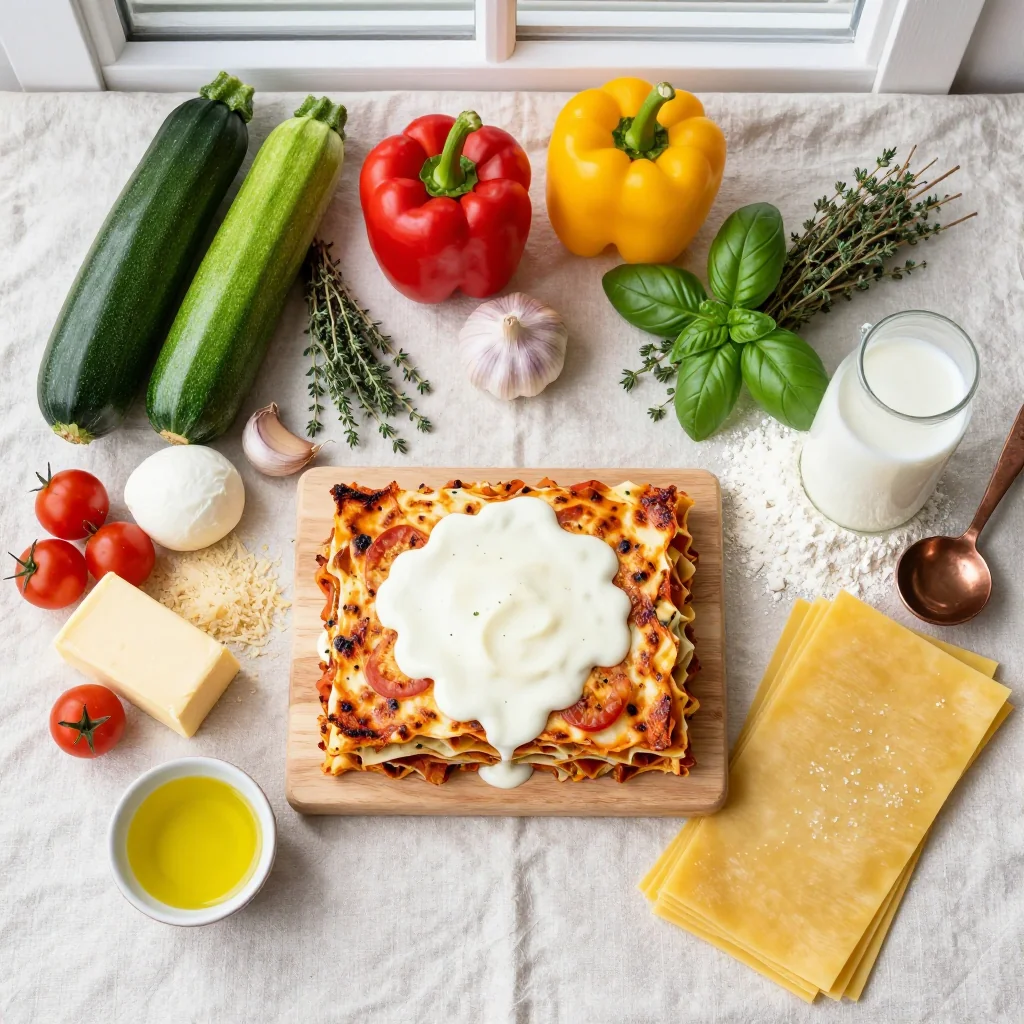
🔍 Focus on Key Ingredients
Zucchini
Zucchini brings a subtle sweetness and a slight crunch when roasted. Choose medium‑size zucchini that are firm to the touch and free of blemishes. Their high water content means they release steam during roasting, creating a tender interior while the exterior caramelizes beautifully.
Eggplant
Eggplant adds depth and a buttery texture once roasted. Look for glossy skin and a heavy feel; these signs indicate maturity. Salting the cubes for 15 minutes before roasting draws out excess moisture, preventing sogginess in the final lasagna.
Nutmeg
Freshly grated nutmeg is the secret behind a béchamel that feels luxurious and aromatic. Its warm, slightly sweet spice balances the richness of butter and milk, while also enhancing the vegetal flavors of the roasted vegetables.
🔄 Quick Substitutions
| If you don’t have… | Use instead… |
|---|---|
| Eggplant | Portobello mushrooms, sliced |
| No‑boil lasagna sheets | Regular lasagna sheets (pre‑boil them) |
| Whole milk | 2% milk or unsweetened almond milk |
👨🍳 Step‑by‑Step Instructions
Follow these detailed steps to create a lasagna that looks as impressive as it tastes. Each phase is designed to build layers of flavor while keeping the process manageable.
📋 Phase 1: Preparation & Mise en Place
Start by prepping the vegetables and setting up your workstation.
Preheat the oven and slice vegetables
Preheat your oven to 425°F (220°C). While it heats, wash all vegetables. Slice the zucchini into ¼‑inch rounds, cube the eggplant into bite‑size pieces, and cut the red bell pepper into thin strips. Toss everything with olive oil, sea salt, and black pepper on a large rimmed baking sheet, ensuring a single layer for even caramelization.
Roast the vegetables
Place the tray in the oven and roast for 20‑25 minutes, turning halfway through. You’ll know they’re ready when the edges are deeply browned and a sweet aroma fills the kitchen. Remove and let cool slightly while you start the béchamel.
🔥 Phase 2: Béchamel Sauce & Assembly
Create a smooth sauce and start building the lasagna.
Make the white béchamel
In a medium saucepan, melt butter over medium heat. Add flour and whisk constantly for 2‑3 minutes until it turns a pale golden color (this is the roux). Slowly pour in warm milk while whisking to avoid lumps. Continue to stir for 5‑7 minutes until the sauce thickens and coats the back of a spoon. Season with nutmeg, sea salt, and white pepper. Remove from heat.
Layer the lasagna
In a 9×13‑inch baking dish, spread a thin layer of béchamel (about ½ cup) to prevent sticking. Lay three lasagna sheets, overlapping slightly. Spoon half of the roasted vegetables over the sheets, then drizzle with a third of the remaining béchamel. Sprinkle with a third of the mozzarella and a pinch of Parmesan. Repeat the layers: sheets, vegetables, béchamel, cheeses. Finish with a final sheet, the remaining béchamel, and the rest of the mozzarella and Parmesan. Dot the top with fresh basil and thyme.
Bake the assembled lasagna
Cover the dish with foil (to prevent the cheese from over‑browning) and bake in the preheated oven at 375°F (190°C) for 30 minutes. Remove the foil and continue baking for an additional 15‑20 minutes, or until the top is bubbling and golden brown.
✨ Phase 3: Finishing Touches & Serving
Let the lasagna rest, then plate it beautifully.
Rest before slicing
Remove the lasagna from the oven and let it rest for 10‑12 minutes. This allows the layers to set, making it easier to cut clean squares without the sauce spilling everywhere.
Plate and garnish
Using a sharp knife, cut the lasagna into six generous portions. Transfer each piece onto a warm plate, sprinkle a little extra Parmesan, and garnish with a fresh basil leaf for a pop of color.
Serve with suggested sides
This lasagna pairs beautifully with a crisp arugula salad tossed in lemon vinaigrette, or a simple side of garlic‑roasted potatoes. A glass of chilled Sauvignon Blanc or a light Italian white such as Vermentino enhances the creamy béchamel.
💡 Expert Tips & Tricks
🛒 Choosing the Right Ingredients
When shopping, pick vegetables that are firm and free of soft spots. For zucchini, the skin should be glossy and unblemished. Eggplant should feel heavy for its size, indicating a dense flesh that holds up well to roasting. Opt for high‑quality butter—preferably European style—as it yields a richer béchamel. Finally, select mozzarella that is labeled “fresh” rather than “low‑moisture” for a meltier texture.
🔪 Preparation Techniques
Uniform slicing ensures even cooking. Use a mandoline for zucchini and carrots to achieve consistent thickness. After cutting eggplant, sprinkle with salt and let sit for 15 minutes; this draws out bitterness and excess water. Rinse, pat dry, and proceed to roast.
🌡️ Mastering the Cooking Process
Pre‑roasting vegetables concentrates their natural sugars, adding depth to the final dish. Keep the oven door closed during the first 20 minutes of baking to maintain steady temperature. If the cheese browns too quickly, loosely tent the lasagna with foil.
🍽️ Presentation & Service
For a restaurant‑style finish, drizzle a thin line of high‑quality extra‑virgin olive oil around the plate and sprinkle micro‑herbs. Serve each portion on a warmed plate to keep the béchamel silky. Encourage diners to let the steam escape before they dig in—this releases the aromatic bouquet of roasted vegetables.
🏆 Pro Tips
Elevate your lasagna from home‑cooked comfort to a dish that dazzles even the most discerning palates.
- 🎯 Use a silicone baking mat: It prevents sticking and promotes even browning, especially important for the cheese crust.
- 🎯 Finish with a Parmesan crust: Mix grated Parmesan with a teaspoon of panko breadcrumbs and sprinkle on top before the final 10 minutes of baking for a crunchy, salty finish.
- 🎯 Incorporate smoked mozzarella: Adding a small amount (about 2 oz) introduces a subtle smokiness that complements the roasted vegetables.
- 🎯 Deglaze the roasting pan: After vegetables are done, pour a splash of white wine into the pan, scrape up caramelized bits, and whisk into the béchamel for an extra layer of flavor.
- 🎯 Chill the béchamel before using: Letting it rest for 10 minutes in the fridge helps the sauce thicken, reducing the risk of it seeping into the pasta layers.
- 🎯 Use a kitchen torch for the final glaze: Lightly torch the cheese after baking for a caramelized, smoky top without over‑baking the interior.
“A great lasagna is built on patience, balance, and the love you fold into each layer.” — Chef Massimo Bottura
🔄 Variations & Adaptations
This recipe is a versatile canvas. Feel free to experiment with flavors, textures, and dietary needs while preserving its core harmony.
🥬 Vegetarian / Vegan Version
Swap the dairy components for plant‑based alternatives. Use a cashew‑based béchamel (blend soaked cashews with nutritional yeast, garlic, and almond milk) and replace mozzarella with vegan shredded cheese. The roasted vegetables remain unchanged, keeping the dish hearty and satisfying.
- Cashew béchamel: 1 cup soaked cashews, 1 cup unsweetened almond milk, 2 tbsp nutritional yeast, pinch of turmeric.
- Vegan cheese: 1 cup shredded dairy‑free mozzarella blend.
🌶️ Flavor Variations
Customize the flavor profile to match your mood or the season.
Spicy Version
Add ½ tsp red pepper flakes to the roasted vegetables and a dash of smoked paprika to the béchamel. Finish with a drizzle of chili‑infused olive oil before serving.
Mediterranean Version
Include sliced Kalamata olives, sun‑dried tomatoes, and a sprinkle of oregano in the vegetable layer. Replace mozzarella with feta cheese and garnish with fresh oregano.
Asian‑Inspired Version
Season the béchamel with a splash of soy sauce and a pinch of five‑spice powder. Add shredded carrots, bok choy, and shiitake mushrooms to the vegetable mix. Top with toasted sesame seeds.
⚠️ Dietary Adaptations
Gluten‑Free
Use gluten‑free lasagna sheets and substitute all‑purpose flour in the béchamel with a gluten‑free blend or rice flour.
Lactose‑Free
Replace whole milk with lactose‑free milk or oat milk, and use lactose‑free butter. Choose a dairy‑free cheese alternative for the topping.
Low‑Calorie
Reduce the cheese by half, use low‑fat milk, and increase the proportion of vegetables. Swap regular lasagna sheets for thin, whole‑grain sheets to add fiber.
👶 Kid‑Friendly Version
Kids often prefer milder flavors. Omit the thyme and basil, and use a sweeter béchamel by adding a teaspoon of honey. Serve with a side of carrot sticks and a small cup of apple juice for a balanced meal.
📦 Storage & Reheating
🧊 Conservation
Refrigerator:
- Duration: 3‑4 days
- Recommended container: airtight glass or plastic casserole dish
- Tip: Place a sheet of parchment between layers to prevent moisture loss.
Freezer:
- Duration: Up to 2 months
- Method: Cool completely, then wrap tightly with foil and place in a freezer‑safe bag.
- Defrosting: Transfer to the refrigerator overnight before reheating.
💡 For best texture, reheat from frozen in the oven rather than the microwave, which can make the béchamel watery.
♨️ Reheating
🔥 Oven (Recommended):
- Preheat to 350°F (175°C).
- Cover with foil to retain moisture.
- Heat for 20‑25 minutes if refrigerated, 35‑40 minutes if frozen.
- Remove foil and bake an additional 5‑7 minutes to crisp the cheese.
⚡ Microwave (Quick):
- Cover with a microwave‑safe lid.
- Heat on medium power for 2‑3 minutes per serving.
- Stir gently halfway through to redistribute the sauce.
🍳 Stovetop:
If you have leftover slices, reheat in a non‑stick skillet over low heat, adding a splash of milk to revive the béchamel and covering for 5‑7 minutes.
🍷 Perfect Pairings
🥗 Side Dishes
- Arugula Lemon Salad: Peppery arugula tossed with lemon zest, olive oil, and shaved Parmesan balances the richness.
- Garlic‑Roasted Potatoes: Crispy potatoes seasoned with rosemary provide a hearty accompaniment.
- Grilled Asparagus with Balsamic Glaze: The acidity cuts through the creamy sauce.
🍷 Wine & Drinks
- Sauvignon Blanc: Its crisp acidity highlights the vegetable freshness.
- Vermentino: A light Italian white with citrus notes that echo the béchamel.
- Non‑Alcoholic: Sparkling elderflower water with a squeeze of lime.
🍰 To Complete the Meal
Begin with a simple bruschetta topped with tomato‑basil relish, then move to a light lemon ricotta cake for dessert. The citrus finish cleanses the palate after the creamy lasagna.
❓ Frequently Asked Questions
Q: Can I use fresh pasta sheets instead of no‑boil?
A: Absolutely. If you prefer fresh sheets, briefly boil them for 2‑3 minutes until al dente, drain, and layer. The cooking time in the oven may be reduced by about 5 minutes because the pasta is already softened.
Q: How do I prevent the béchamel from curdling?
A: Keep the heat moderate and whisk constantly while adding the milk. If the sauce starts to thicken too quickly, lower the temperature and add a splash more milk. Using room‑temperature milk also helps maintain a smooth consistency.
Q: What if I don’t have a mandoline for slicing?
A: A sharp chef’s knife works fine; aim for uniform thickness (about ¼‑inch) to ensure even roasting and cooking. Consistency is key for texture.
Q: My lasagna turned out watery. What went wrong?
A: Excess moisture often comes from vegetables that weren’t salted before roasting or from using too much milk in the béchamel. Pat dry the roasted vegetables with paper towels and let the béchamel rest to thicken before layering.
Q: Can I freeze the lasagna before baking?
A: Yes. Assemble the lasagna, cover tightly with foil, and freeze. When ready, bake directly from frozen, adding an extra 15‑20 minutes to the cooking time and ensuring the internal temperature reaches 165°F (74°C).
Q: How can I make this recipe gluten‑free?
A: Use gluten‑free lasagna sheets and replace the flour in the béchamel with a gluten‑free blend or rice flour. Ensure all other ingredients (like soy sauce if using the Asian variation) are certified gluten‑free.
🎉 To Your Oven!
There’s something undeniably magical about a dish that layers flavors, textures, and colors into a single, unforgettable experience. This roasted vegetable lasagna delivers that magic while staying approachable enough for a weekday dinner and impressive enough for a special occasion. From the caramelized vegetables to the velvety béchamel, every bite tells a story of patience, technique, and love for wholesome food.
Remember, cooking is an adventure—feel free to tweak herbs, swap cheeses, or add a dash of your favorite spice. The more you experiment, the more the recipe becomes your own. I can’t wait to hear how you make it your own, and I hope it becomes a staple in your kitchen for years to come.
Have you tried this recipe?
Leave a comment and rating below! Share your photos on Instagram with #VeggieLasagnaLove to be featured on our page.
Roasted Vegetable Lasagna with White Béchamel Sauce
A layered masterpiece of roasted garden vegetables, silky béchamel, and melty cheese.
📝 Ingredients
Roasted Vegetables
White Béchamel Sauce
Assembly & Garnish
👨🍳 Instructions
- 1 Preheat oven to 425°F (220°C) and prepare a baking sheet with parchment.
- 2 Toss sliced vegetables with olive oil, salt, and pepper; roast 20‑25 min until caramelized.
- 3 While vegetables roast, melt butter, whisk in flour, then gradually add warm milk to form béchamel; season.
- 4 In a 9×13‑inch dish, spread a thin béchamel layer, add lasagna sheets, half the vegetables, a third of béchamel, and a third of cheeses.
- 5 Repeat layers, ending with a final sheet, remaining béchamel, mozzarella, Parmesan, basil, and thyme.
- 6 Cover with foil and bake at 375°F (190°C) for 30 min; uncover and bake 15‑20 min until golden.
- 7 Rest 10 min before slicing to set layers.
- 8 Serve hot, garnished with extra basil and a drizzle of olive oil.
- 9 Store leftovers in airtight containers; refrigerate up to 4 days or freeze for 2 months.
- 10 Reheat in oven at 350°F (175°C) covered with foil for 20‑25 min, uncover for 5 min to crisp.
🥗 Nutritional Information (per serving)
*Values are estimates based on standard ingredient brands.
📚 You Might Also Like
Spinach Ricotta Lasagna
Mushroom Bolognese Lasagna
Butternut Squash Lasagna






💬 Comments & Reviews
Leave a Comment
No comments yet. Be the first to share your thoughts!