The first time I stumbled into this culinary revelation, I was halfway through a frantic Sunday brunch, juggling a skillet, a blender, and a toddler who had declared the kitchen a war zone. The eggs were cracking, the cottage cheese was clumping, and the flour—oh, the flour—was a villain in a powdered disguise. I was about to abandon the entire affair when a friend, half-joking, said, “You know what would fix this? A low‑carb, flourless, cottage‑cheese pancake.” That was the spark that turned a disaster into a delicious dare: I challenged myself to whip up a batch that would make even the most skeptical taste buds bow in surrender.
Picture this: the kitchen lights flicker, the air is thick with the scent of sizzling butter, and the sound of a whisk beating a rhythm that feels almost ceremonial. The cottage cheese, with its creamy, slightly tangy whisper, meets the eggs in a dance of protein and moisture. As the mixture swirls, the coconut flour sneaks in, a silent hero that keeps the batter from turning into a mushy mess. When the first golden edge curls, the sizzle is a drumbeat of anticipation—this isn’t just cooking; it’s a performance. I dare you to taste this and not go back for seconds. Trust me, the first bite will feel like a soft, fluffy cloud that refuses to melt into a sad, soggy pancake.
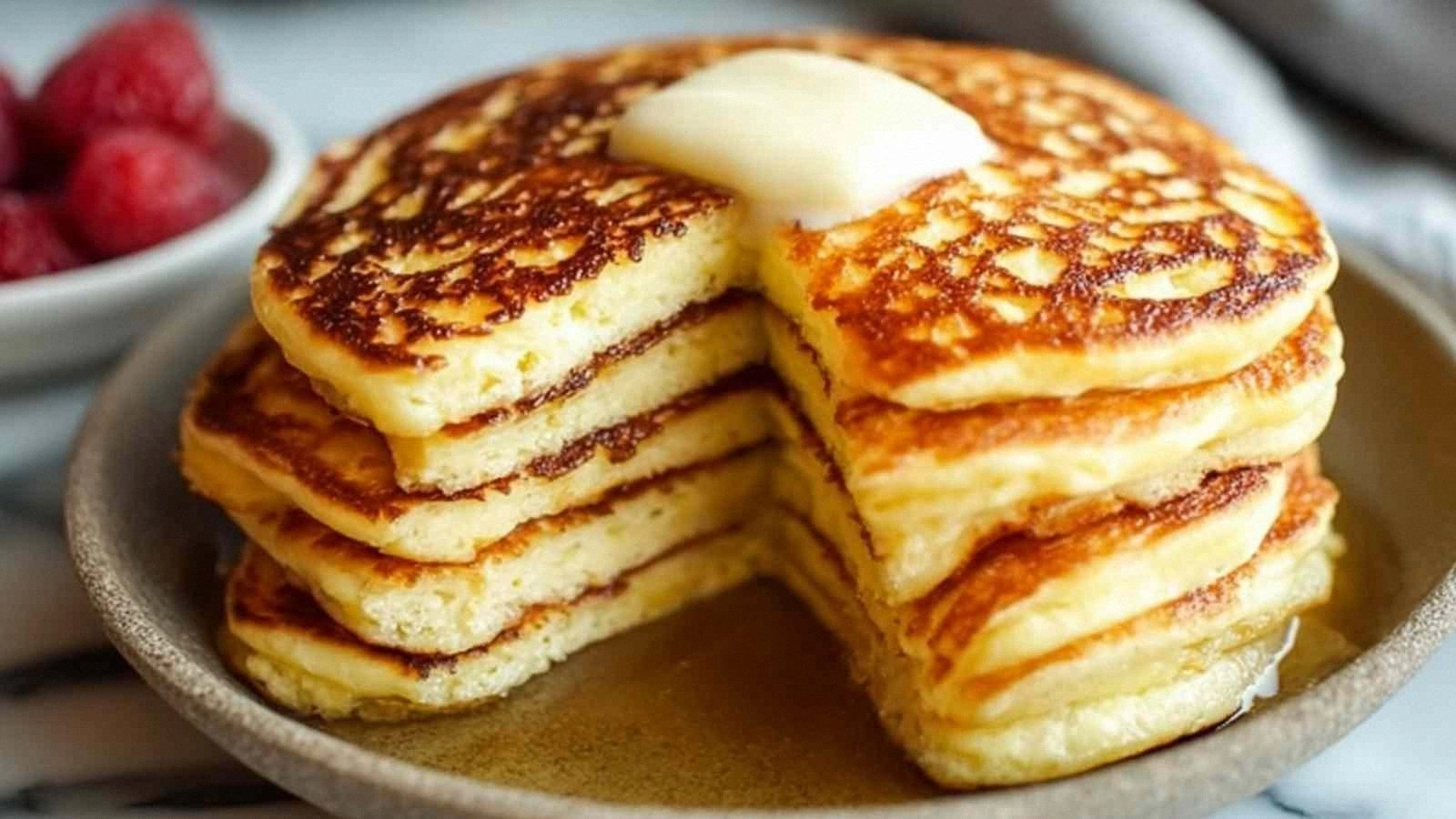
What sets this version apart is that it’s not just a low‑carb alternative; it’s a full‑blown flavor revolution. The cottage cheese keeps the pancakes moist and adds a subtle tang that lifts the whole dish. Coconut flour provides structure without the heaviness of wheat, and the baking powder gives a gentle lift that feels like a secret puff of air. Butter or oil, just enough to coat the pan, creates a crisp, caramelized crust that crunches like a fresh apple bite. If you’ve ever struggled with the usual fluffy pancake that collapses or the dense, dry cottage‑cheese version that feels like a cheese platter, you’re not alone—this is the fix you’ve been waiting for.
And there’s a twist you won’t expect: a pinch of salt that brings out the sweetness of the cottage cheese, a splash of vanilla that gives an almost dessert‑like finish, and a squeeze of lemon zest that cuts through the richness like a fresh breeze. Picture yourself pulling this out of the pan, the whole kitchen smelling incredible, the steam rising like a cloud of promise. Okay, ready for the game‑changer? This next part is pure magic. And now the fun part. Stay with me here—this is worth it.
What Makes This Version Stand Out
- Flavor: The cottage cheese gives a creamy, slightly tangy base that balances the mildness of the eggs, creating a taste that feels both comforting and adventurous.
- Texture: Coconut flour offers a light, airy crumb while keeping the batter cohesive, resulting in pancakes that are fluffy inside but crisp on the edges.
- Simplicity: With only six ingredients, the recipe is a breeze to assemble, making it perfect for a quick weekday breakfast or a weekend brunch.
- Low‑Carb: By eliminating traditional flour and using coconut flour, the carb count drops dramatically, making this a smart choice for keto or low‑carb diets.
- Make‑Ahead: The batter can be prepared a day ahead and refrigerated; it will rise slightly and stay fresh, ready for a quick flip when you’re hungry.
- Versatility: Add fruit, herbs, or spices to tailor the pancakes to sweet or savory cravings; they’re a blank canvas for your creativity.
- Kid‑Friendly: The mild flavor and soft texture make these pancakes a hit with even the pickiest of little eaters.
- Nutrition: Packed with protein from cottage cheese and eggs, the pancakes deliver a balanced macro profile that keeps you full and energized.
Alright, let's break down exactly what goes into this masterpiece...
Inside the Ingredient List
The Flavor Base
Cottage cheese is the star of this recipe, providing a creamy texture and a subtle tang that elevates every bite. Its high protein content keeps the pancakes hearty without the heaviness of dairy‑rich alternatives. Skipping it would leave the batter dry and lacking depth, so don’t skip this key component. If you can’t find cottage cheese, Greek yogurt works as a close substitute, but be mindful of the extra tang it introduces.
The Texture Crew
Eggs bind everything together, offering structure and a golden crust when cooked. The yolks add richness, while the whites provide lift, making the pancakes airy inside. Coconut flour is a low‑carb, gluten‑free alternative that keeps the batter from turning into a dense, gummy mess. It absorbs moisture and gives the pancakes a slightly nutty flavor that pairs beautifully with the cottage cheese. A pinch of baking powder ensures that the pancakes rise just enough to feel fluffy, yet remain tender. If you’re in a pinch, a tiny dash of baking soda can substitute, but the flavor profile will shift slightly.
The Unexpected Star
Salt is more than a seasoning—it’s a flavor enhancer that brings out the sweetness of the cottage cheese and balances the richness of the eggs. A small amount of vanilla extract adds a sweet aroma that turns this savory treat into a breakfast‑dessert hybrid. Lemon zest, when added, brightens the overall taste, cutting through the richness and adding a fresh, citrusy note. If you’re feeling adventurous, a pinch of smoked paprika can add a subtle smokiness that’s surprisingly delightful.
The Final Flourish
Butter or oil is the finishing touch that creates the golden, caramelized crust that gives these pancakes their signature crunch. Butter adds a rich, buttery flavor that contrasts beautifully with the lightness of the batter, while oil provides a cleaner, non‑sweaty finish. Use a small amount—just enough to coat the pan—so the pancakes don’t become greasy. If you prefer a dairy‑free option, coconut oil or avocado oil work wonderfully, each adding their own subtle flavor profile.
Everything's prepped? Good. Let's get into the real action...
The Method — Step by Step
- Gather Your Ingredients: Measure out 1 cup of cottage cheese, 2 large eggs, 1 tablespoon of coconut flour, ½ teaspoon baking powder, ¼ teaspoon salt, and a tablespoon of butter or oil. I’ll be honest — I ate half the batch before anyone else got to try it. Make sure your ingredients are at room temperature; this small detail makes a huge difference in how the batter behaves.
- Blend the Base: In a medium bowl, whisk the eggs until the whites and yolks are fully blended. Add the cottage cheese and continue whisking until the mixture is smooth. The goal is a silky, lump‑free batter; if you see chunks, give it another whirl.
- Introduce the Dry: Sift the coconut flour, baking powder, and salt together. This step ensures there are no clumps and the leavening agent is evenly distributed. Slowly fold the dry ingredients into the wet mixture, using a spatula to keep the batter light. Watch the batter change from thick to pourable—if it’s too thick, add a splash of water or milk.
- Preheat the Pan: Place a non‑stick skillet over medium heat and add a small knob of butter or a drizzle of oil. Let it melt and spread evenly. The pan should be hot, but not smoking; a good test is to flick a drop of water—if it sizzles and evaporates instantly, the heat is just right.
- First Flip: Pour a small ladleful of batter onto the pan, swirling to create a round shape. Let it cook for 2‑3 minutes until the edges lift and the underside turns a light golden brown. The sizzle when it hits the pan? Absolute perfection. Flip gently with a spatula and cook for another 1‑2 minutes. This is the moment of truth; the pancake should feel firm enough to lift but still tender inside.
- Keep It Warm: Transfer finished pancakes onto a plate lined with parchment paper. Cover loosely with foil to keep them warm while you cook the rest. If you’re making a large batch, you can stack them and keep them in a low oven (200°F) until ready to serve.
- Watch Out for Overcooking: If you let the pancakes sit too long on the heat, they’ll dry out and become rubbery. The trick is to remove them as soon as the edges start to pull away from the pan. The inside should still look slightly pale; it will finish cooking on the plate.
- Repeat: Continue pouring and flipping until all batter is used. The process is quick once you get the rhythm—each pancake takes about 4 minutes from start to finish.
- Serve Immediately: Plate the pancakes with your favorite toppings—fresh berries, a dollop of whipped cream, a drizzle of honey, or a sprinkle of cinnamon. The moment you take that first bite, the buttery crust will crackle, revealing a soft, airy interior that feels like a cloud.
That's it — you did it. But hold on, I've got a few more tricks that'll take this to another level. Keep reading, and you'll learn how to elevate these pancakes from good to unforgettable.
Insider Tricks for Flawless Results
The Temperature Rule Nobody Follows
Many cooks assume that a higher heat is always better for pancakes, but that’s a myth. Medium heat allows the batter to set slowly, creating a golden crust while keeping the inside tender. I’ve found that a skillet preheated to 350°F is ideal—if you go higher, the edges burn before the center cooks. Keep an eye on the first batch; once you see the bubbles forming, you know the heat is just right.
Why Your Nose Knows Best
The aroma of butter melting and eggs cooking is a subtle cue that the pan is at the perfect temperature. When the first bubbles appear and the batter starts to firm up, that scent signals that the pancake is ready for flipping. Trust your nose; it’s a reliable guide that often outperforms a stopwatch.
The 5‑Minute Rest That Changes Everything
After cooking, let the pancakes rest for five minutes before serving. This brief pause allows the steam to redistribute, preventing the interior from drying out. I’ve seen pancakes that rest for too long become rubbery; five minutes is the sweet spot. This trick is especially useful if you’re preparing a large batch and need to keep them warm.
Mixing in the Sweetness
If you’re leaning toward a dessert version, add a tablespoon of almond butter or a teaspoon of maple syrup to the batter before cooking. The almond butter adds nutty richness, while the maple syrup introduces a caramel sweetness that balances the tang of the cottage cheese. A quick stir and you’re ready to flip into a sweet‑savory hybrid that will wow your guests.
Keeping It Moist
If you notice the batter drying out during cooking, sprinkle a few drops of water onto the surface before flipping. The steam will create a moist environment, preventing the edges from becoming overly crisp. This small tweak is a game‑changer for those who prefer a softer, more custard‑like interior.
Creative Twists and Variations
This recipe is a playground. Here are some of my favorite ways to switch things up:
Savory Herb Pancake
Add a tablespoon of chopped fresh herbs—such as chives, parsley, or dill—to the batter. The herbs infuse the pancakes with a fresh, green flavor that pairs well with a dollop of Greek yogurt or a sprinkle of feta cheese.
Berry Burst
Fold in a handful of fresh blueberries or sliced strawberries before cooking. The berries burst during the cooking process, releasing juices that create a sweet, fruity glaze on the pancakes.
Chocolate Chip Delight
Stir in a few dark chocolate chips into the batter. The chips melt slightly, creating pockets of rich chocolate that contrast with the light, fluffy texture. Serve with a dusting of powdered cocoa for an extra touch.
Spicy Kick
Add a pinch of cayenne pepper or a dash of hot sauce to the batter for a subtle heat. The spice pairs wonderfully with a cooling yogurt sauce, creating a balanced flavor profile that’s both bold and comforting.
Almond Crumble Topping
Top the finished pancakes with a sprinkle of almond flour, a drizzle of almond butter, and a handful of toasted slivered almonds. The crunch adds texture while the almond flavor enhances the coconut flour’s nutty undertone.
Vegan Version
Replace the eggs with a flaxseed egg (1 tablespoon flaxseed meal + 3 tablespoons water) and use plant‑based butter or coconut oil. The result is a fully vegan pancake that maintains the same light, fluffy interior and buttery crust.
Storing and Bringing It Back to Life
Fridge Storage
Store leftover pancakes in an airtight container in the refrigerator for up to 3 days. Keep them layered with parchment paper to prevent sticking. When you’re ready to eat, reheat in a skillet over low heat, adding a splash of water to keep them moist.
Freezer Friendly
Pancakes freeze well for up to 2 months. Place them flat between parchment sheets, then transfer to a freezer bag. To reheat, pop a pancake in a toaster oven or microwave until warmed through, then finish on a skillet for a crisp exterior.
Best Reheating Method
The secret to reviving pancakes is to add a tiny splash of water before reheating. The steam restores moisture and prevents the interior from drying out. A quick 30‑second microwave burst or a 2‑minute skillet heat is all you need.