Love this? Pin it for later! 📌
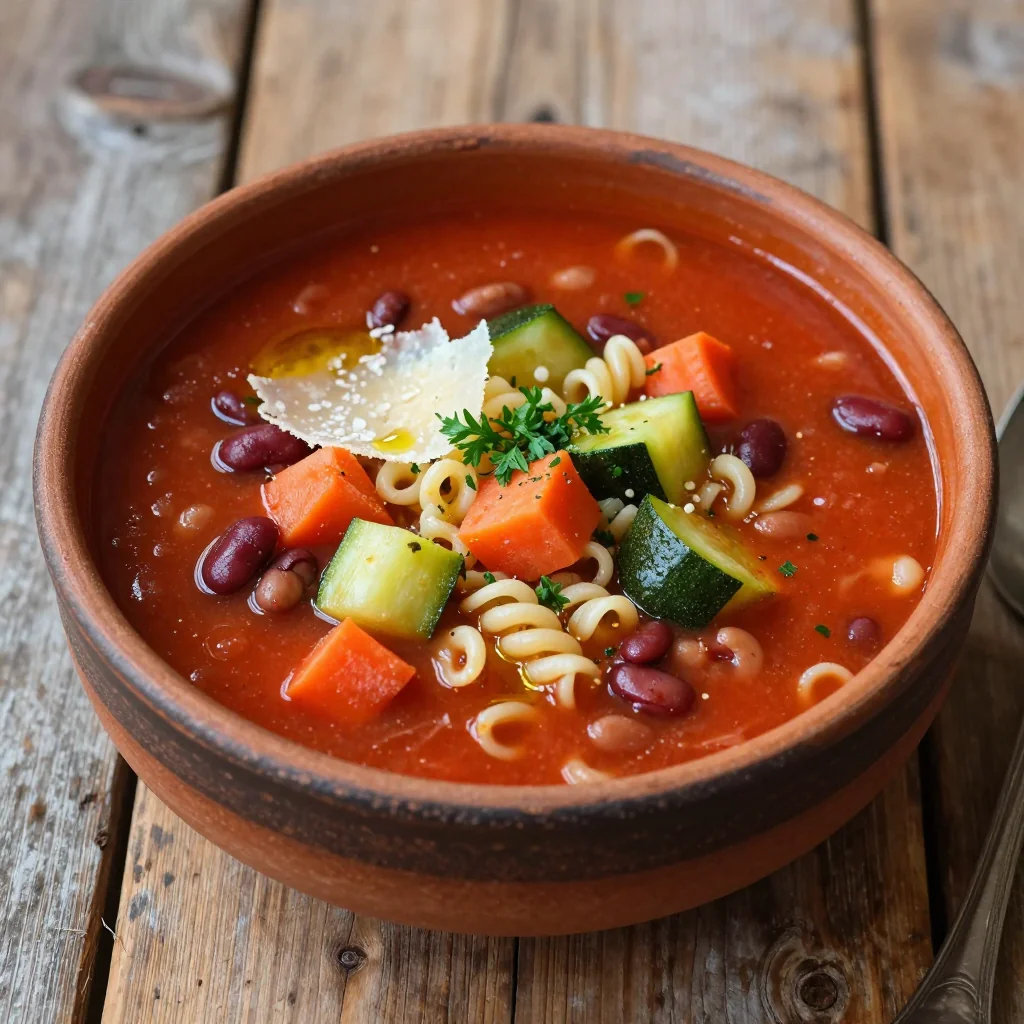
There's something almost magical about a pot of minestrone bubbling away on the stove. The aroma that fills your kitchen—garlic and onions sautéing in olive oil, the earthy scent of beans, the bright note of tomatoes—it's like a warm hug on a chilly evening. I first fell in love with this soup during my college years when money was tight and creativity was essential. My roommate Maria and I would raid our respective pantries, pooling together whatever canned goods, pasta, and vegetables we could find. What emerged from those humble ingredients was always something extraordinary: a thick, satisfying soup that somehow tasted different every time we made it, yet always felt like coming home.
Now, years later and with a well-stocked pantry at my disposal, I still return to this recipe whenever I need comfort food that won't break the bank or require a special grocery run. It's the soup I make when friends drop by unexpectedly, when someone's feeling under the weather, or when I simply want to meal-prep something nutritious for the week ahead. The beauty of this minestrone lies in its flexibility—every ingredient can be swapped, every measurement adjusted, and it will still taste incredible. Plus, it feeds a crowd for pennies and tastes even better the next day.
Why This Recipe Works
- Pantry-Powered: Uses only shelf-stable ingredients you probably already have—no special shopping required
- Budget-Friendly: Feeds 8 people for under $10, making it perfect for large families or meal prep
- Nutritionally Complete: Packed with protein, fiber, and vegetables for a well-balanced meal in one bowl
- One-Pot Wonder: Minimal cleanup required—everything cooks in a single Dutch oven
- Customizable: Swap vegetables, beans, or pasta based on what you have on hand
- Freezer Hero: Makes excellent leftovers and freezes beautifully for up to 3 months
- Comfort Factor: Thick, hearty texture that sticks to your ribs without being heavy
Ingredients You'll Need
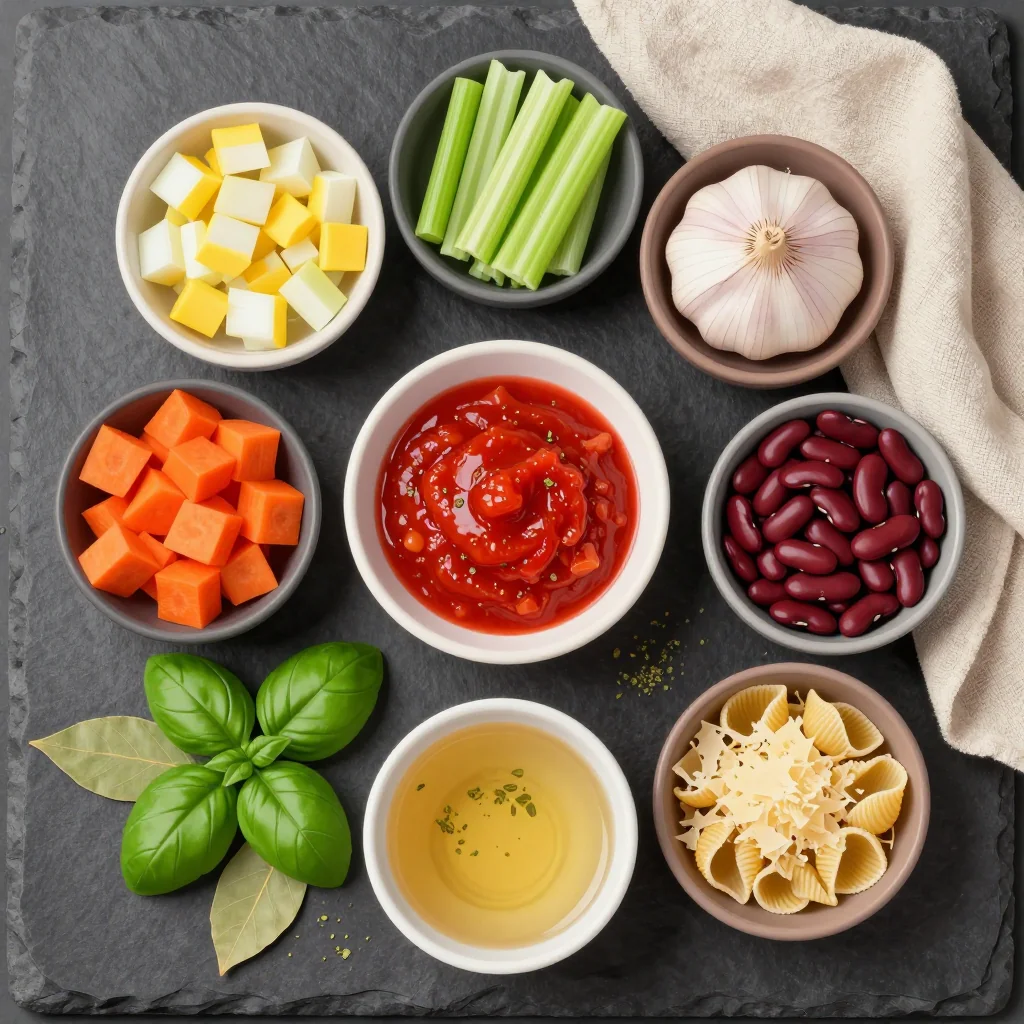
The magic of this minestrone lies in its humble ingredients—each one playing a crucial role in creating layers of flavor that taste like they've been simmering for hours, even when you're short on time. Let's break down what you'll need and why each ingredient matters:
The Aromatic Foundation
Olive oil (3 tablespoons): Don't skimp here—good olive oil carries the flavors throughout the soup. If you're out, any neutral oil works, but olive oil adds that authentic Italian character. I keep a large bottle from Costco specifically for cooking soups like this.
Yellow onion (1 large): The backbone of flavor. Dice it small so it melts into the soup. No onion? Use the white part of leeks or even shallots in a pinch. Frozen diced onions work too—no judgment!
Garlic (4-6 cloves): I know it seems like a lot, but trust me. This soup can handle it. If you're using pre-minced garlic from a jar, use about 2 teaspoons per clove. In a real pinch, garlic powder works—use ½ teaspoon per clove.
The Vegetable Medley
Carrots (3 medium): These add natural sweetness and beautiful color. Peel if they're looking rough, but a good scrub is usually enough. Dice them small so they cook quickly and evenly.
Celery (3 stalks): The unsung hero that adds depth and that classic soup flavor. Include the leaves—they're packed with flavor. If you only have celery hearts, that's fine too.
Zucchini (2 medium): Adds body and soaks up all the delicious flavors. Yellow squash works identically. In winter, substitute with diced potatoes or even cabbage for a heartier version.
The Hearty Elements
Canned diced tomatoes (28 oz): The acid that brightens everything. I prefer fire-roasted when available—they add a subtle smoky depth. Regular diced tomatoes work perfectly, or even crushed tomatoes for a thicker soup.
Beans (3 cans): This is where the protein lives! I use 2 cans of cannellini beans and 1 of kidney, but any combination works. Chickpeas, pinto, black beans—use what you have. Don't drain the cannellini; that starchy liquid helps thicken the soup beautifully.
Vegetable broth (6 cups): The soup's body. Low-sodium is best so you control the salt. In a pinch, water with 2 tablespoons of soy sauce or Better Than Bouillon works wonders.
The Finishing Touches
Small pasta (1 cup): Ditalini is traditional, but any small shape works—elbow macaroni, small shells, or broken spaghetti. For gluten-free, use rice or your favorite GF pasta. Add it near the end so it doesn't overcook.
Italian seasoning (2 teaspoons): A convenient blend of oregano, basil, thyme, and rosemary. If you don't have the blend, use ½ teaspoon each of dried oregano and basil, plus a pinch of thyme.
Bay leaf (1): Adds subtle complexity. Remove before serving. No bay leaf? Skip it rather than substituting—there's no good replacement.
How to Make Hearty Minestrone Soup With Pantry Staples
Build Your Flavor Foundation
Heat olive oil in a large Dutch oven or heavy-bottomed pot over medium heat. When the oil shimmers, add diced onion with a pinch of salt. Cook for 5-6 minutes, stirring occasionally, until the onions turn translucent and begin to soften. Add the minced garlic and cook for another minute until fragrant. This step is crucial—properly sautéed aromatics create the flavor base that makes this soup taste like it's been simmering all day.
Add the Hard Vegetables
Stir in diced carrots and celery. Season with another pinch of salt and several grinds of black pepper. Cook for 7-8 minutes, stirring every couple of minutes. You want the vegetables to soften slightly and the carrots to lose their raw edge. The celery should still have some bite. This step builds another layer of flavor while ensuring the final vegetables aren't mushy.
Create the Soup Base
Pour in the diced tomatoes with their juice, using a wooden spoon to scrape up any browned bits from the bottom of the pot. These fond bits are packed with flavor! Add the Italian seasoning and bay leaf, stirring to combine. Let everything simmer together for 2-3 minutes. This step allows the tomatoes to caramelize slightly, developing a deeper, richer flavor.
Build the Soup Body
Add the vegetable broth, drained kidney beans, and the entire contents of the cannellini bean cans (including the liquid—it helps thicken the soup). Stir everything together and bring to a boil over high heat. Once boiling, reduce heat to maintain a gentle simmer. Cover partially with the lid askew and let it bubble away for 15 minutes. This allows the flavors to meld and the broth to reduce slightly.
Add the Quick-Cooking Elements
Stir in the diced zucchini and the small pasta. Increase heat slightly to return to a gentle boil. Cook for 8-10 minutes, stirring every couple of minutes to prevent the pasta from sticking to the bottom. The pasta should be al dente and the zucchini tender but not mushy. If the soup seems too thick, add water or broth to reach your desired consistency.
Finish and Season
Remove the bay leaf and discard. Taste the soup and season generously with salt and pepper. This is crucial—soup needs salt! Start with 1 teaspoon of salt and add more until the flavors pop. Add a splash of red wine vinegar or lemon juice to brighten everything up. Let it simmer for another 2 minutes to allow the seasoning to distribute evenly.
Rest and Serve
Turn off the heat and let the soup rest for 5-10 minutes. This brief rest allows the pasta to finish cooking in the residual heat and the flavors to settle. Serve hot, ladled into bowls. Garnish with freshly grated Parmesan cheese if desired, a drizzle of good olive oil, and some crusty bread on the side. The soup will thicken as it sits—thin with water or broth when reheating.
Expert Tips
Time-Saving Shortcuts
Use pre-minced garlic and frozen diced onions to cut prep time to under 5 minutes. Buy pre-diced mirepoix mix from the produce section for even faster assembly.
Boost the Flavor
Add a 2-inch piece of Parmesan rind while simmering for incredible depth. Remove before serving. A splash of balsamic vinegar at the end brightens everything.
Perfect Consistency
The soup will thicken significantly as it cools. Always save some broth to thin it when reheating. If serving immediately, keep extra hot broth on the side.
Color Pop
Add a handful of frozen peas or chopped fresh spinach during the last 2 minutes for vibrant color and added nutrition. Fresh herbs make everything better.
Pasta Perfection
Cook pasta separately and add to individual servings if you plan to have leftovers. This prevents the pasta from absorbing all the broth and becoming mushy.
Bean Brilliance
Mash ½ cup of the beans before adding them. This thickens the soup naturally and creates a creamier texture without any dairy or flour.
Variations to Try
Winter Comfort
Replace zucchini with diced potatoes and add a cup of chopped kale. Add ½ teaspoon of smoked paprika for warmth. Serve with crusty bread for dipping.
Mediterranean Twist
Add ½ cup chopped Kalamata olives, 2 tablespoons capers, and substitute chickpeas for one can of beans. Finish with lemon zest and fresh oregano.
Spicy Arrabbiata
Add 1 teaspoon red pepper flakes with the garlic. Use fire-roasted tomatoes and add 2 tablespoons tomato paste for richness. Finish with fresh basil.
Protein Power
Add 1 pound Italian sausage, removed from casings and browned with the onions. Or stir in 2 cups shredded cooked chicken during the last 5 minutes.
Garden Fresh
Use fresh tomatoes when in season (3 cups diced). Add fresh corn kernels, green beans, and summer squash. Replace dried herbs with fresh (triple the amount).
Slow Cooker Method
Add everything except pasta and zucchini. Cook on low 6-7 hours. Add pasta and zucchini during the last 30 minutes, turn to high.
Storage Tips
This minestrone is a meal-prep champion! It stores beautifully and often tastes even better the next day after the flavors have had time to meld. Here's everything you need to know about storing and reheating:
Refrigerator Storage
Method: Let the soup cool completely, then transfer to airtight containers. Glass containers work best as they won't absorb tomato stains. The soup will keep for up to 5 days in the refrigerator.
Pro Tip: Store the pasta separately if possible. If already mixed, the pasta will continue to absorb liquid, so keep extra broth on hand for thinning when reheating.
Freezer Instructions
Best Practice: Freeze the soup without the pasta for best results. Cool completely, then portion into freezer-safe containers or bags. Leave 1-inch headspace for expansion. Freeze for up to 3 months.
Quick Thaw: Run the container under warm water to loosen, then transfer frozen soup to a pot. Add 1-2 cups broth or water and reheat over medium, stirring occasionally.
Reheating Methods
Stovetop (Best): Place soup in a pot with ½-1 cup broth or water. Heat over medium, stirring occasionally, until simmering. Taste and adjust seasoning before serving.
Microwave: Place in a microwave-safe bowl with 2-3 tablespoons water. Cover loosely and heat in 1-minute intervals, stirring between, until hot. Be careful—it can splatter!
Frequently Asked Questions
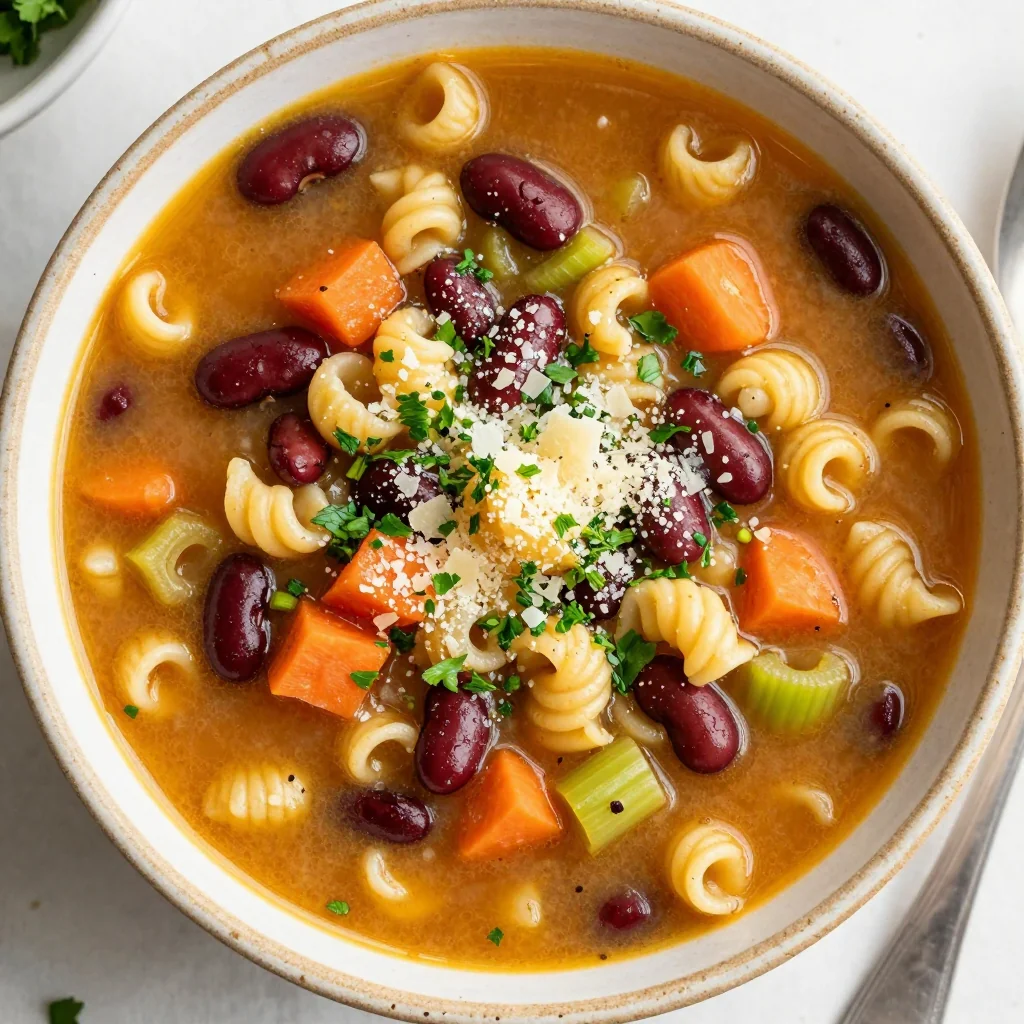
Hearty Minestrone Soup With Pantry Staples
Ingredients
Instructions
- Sauté aromatics: Heat olive oil in a large Dutch oven over medium heat. Cook onion until translucent, 5-6 minutes. Add garlic and cook 1 minute more.
- Add vegetables: Stir in carrots and celery, season with salt and pepper. Cook 7-8 minutes until slightly softened.
- Build base: Add diced tomatoes, Italian seasoning, and bay leaf. Cook 2-3 minutes, scraping up any browned bits.
- Add liquids: Pour in vegetable broth, cannellini beans (with liquid), and drained kidney beans. Bring to a boil, then reduce to simmer for 15 minutes.
- Finish soup: Add zucchini and pasta. Cook 8-10 minutes until pasta is al dente and zucchini is tender.
- Season and serve: Remove bay leaf, adjust seasoning with salt and pepper. Let rest 5 minutes before serving hot with Parmesan if desired.
Recipe Notes
Soup thickens as it sits—thin with broth when reheating. For meal prep, store pasta separately to prevent it from becoming mushy. This soup freezes beautifully for up to 3 months.