I was halfway through a Sunday brunch, flipping pancakes and feeling a sudden pang of emptiness in my taste buds. The kitchen smelled of butter and vanilla, yet something was missing—an adventure that could turn a bland spread into a sizzling, savory celebration. That was when I remembered the old family recipe for Egg Foo Young that my grandmother used to whip up on rainy afternoons. It was a dish that promised a burst of umami, a crunch of bean sprouts, and the satisfying heft of pork and shrimp, all folded into a fluffy omelet.
Picture this: a bright skillet, a splash of oil, and the clatter of a whisk as eggs mingle with a splash of Shaoxing wine. The aroma of soy sauce and oyster sauce wafts through the air, turning the kitchen into a fragrant, low‑temperature theater. I dare you to taste this and not go back for seconds; the moment the first bite hits your palate, you’ll hear the subtle pop of the crust, feel the silky interior, and taste the subtle sweetness of sugar that balances the saltiness of soy. I’ll be honest—by the time I finished the first pan, I had already taken a second bite before my friends even saw me.
Most recipes get this completely wrong, focusing on the “quick” version that ends up soggy or overcooked. Here’s what actually works: a gentle heat that allows the eggs to set slowly, a splash of sesame oil that adds a nutty aroma, and a careful balance of sauces that coat each bite like velvet. This is hands down the best version you'll ever make at home, and it’s not just because the flavors are bold; it’s because the technique turns a simple dish into an edible masterpiece. Picture yourself pulling this out of the pan, the whole kitchen smelling incredible, and the plate gleaming with glossy, golden edges that shatter like thin ice.
If you've ever struggled with making Egg Foo Young that stays fluffy, you're not alone—I've been there. I’ve spent countless nights tweaking the ratio of eggs to liquid, only to end up with a dense, rubbery mess. The secret is simple: use fresh shrimp, lean ground pork, and a pinch of white pepper that adds a subtle heat without overpowering the dish. And when you add a splash of Shaoxing wine, that subtle sweetness lifts the umami, turning an ordinary omelet into a symphony of flavors. And now the fun part: I’ll walk you through every single step—by the end, you'll wonder how you ever made it any other way.
What Makes This Version Stand Out
- Flavor: The combination of oyster sauce, soy sauce, and Shaoxing wine creates a layered umami that coats the eggs like a silk scarf.
- Texture: The careful folding of bean sprouts and shrimp gives a delightful crunch that contrasts with the soft, airy egg.
- Simplicity: No elaborate marinades or secret sauces—just a handful of pantry staples that come together in minutes.
- Uniqueness: The subtle sweetness from a pinch of sugar balances the saltiness, a twist that most versions overlook.
- Crowd Reaction: Friends keep asking for the recipe after one bite, and they’re not afraid to double the portion.
- Ingredient Quality: Fresh shrimp and ground pork that’s been pressed to remove excess fat are the backbone of this dish.
- Cooking Method: Cooking at a moderate heat with a lid creates steam that cooks the eggs evenly, preventing that dreaded “pancake” texture.
- Make‑Ahead Potential: The batter can be pre‑mixed and refrigerated for up to 24 hours without losing quality.
Alright, let's break down exactly what goes into this masterpiece...
Inside the Ingredient List
The Flavor Base
Shaoxing wine: This Chinese cooking wine adds a subtle, slightly sweet aroma that elevates the umami profile. If you can’t find Shaoxing, a dry sherry or a splash of rice wine will work in a pinch. Skipping it will leave the dish flat and lacking depth.
Oyster sauce: It brings a rich, slightly briny sweetness that balances the saltiness of soy sauce. If you’re vegan, a mushroom-based sauce can mimic the umami without the oyster flavor. The sauce also adds a glossy sheen that makes the dish visually appealing.
Soy sauce: This is the backbone of the savory profile; it’s the salty, fermented note that ties all the ingredients together. A low‑sodium version works if you’re watching salt intake, but don’t skimp on the flavor. The sauce also helps the egg batter set by providing a slight acidity.
The Texture Crew
Bean sprouts: They add a crisp, refreshing bite that contrasts the soft egg. Rinse them well to remove any grit, and toss them in a little oil to prevent sticking. If you’re allergic, you can substitute with finely sliced bell peppers for a sweet crunch.
Ground pork: The pork should be lean but not too dry; a 10% fat content works best. It provides a savory, meaty backbone that holds the batter together. If you prefer a vegetarian version, use finely chopped tofu seasoned with the same sauces.
Shrimp: Fresh shrimp add a briny sweetness and a firm bite. Peel and devein them for a cleaner presentation. If you’re not a fan of shrimp, scallops or diced chicken can be excellent substitutes.
The Unexpected Star
Sesame oil: A dash of sesame oil adds a nutty aroma that lifts the entire dish. Use it sparingly; too much can overpower the delicate flavors. If you’re allergic, a light drizzle of toasted sunflower oil can mimic the nuttiness.
The Final Flourish
White pepper: A few dashes of white pepper add a subtle heat that doesn’t dominate the dish. It also enhances the overall flavor profile by providing a gentle contrast. If you don’t have white pepper, a pinch of cayenne can work, but be careful not to overdo it.
Eggs: The foundation of the dish; they must be fresh and lightly beaten to incorporate air. Use a whisk to create a smooth batter that will set evenly. The number of eggs directly influences the fluffiness—too many and the mixture becomes too runny.
Everything's prepped? Good. Let's get into the real action...
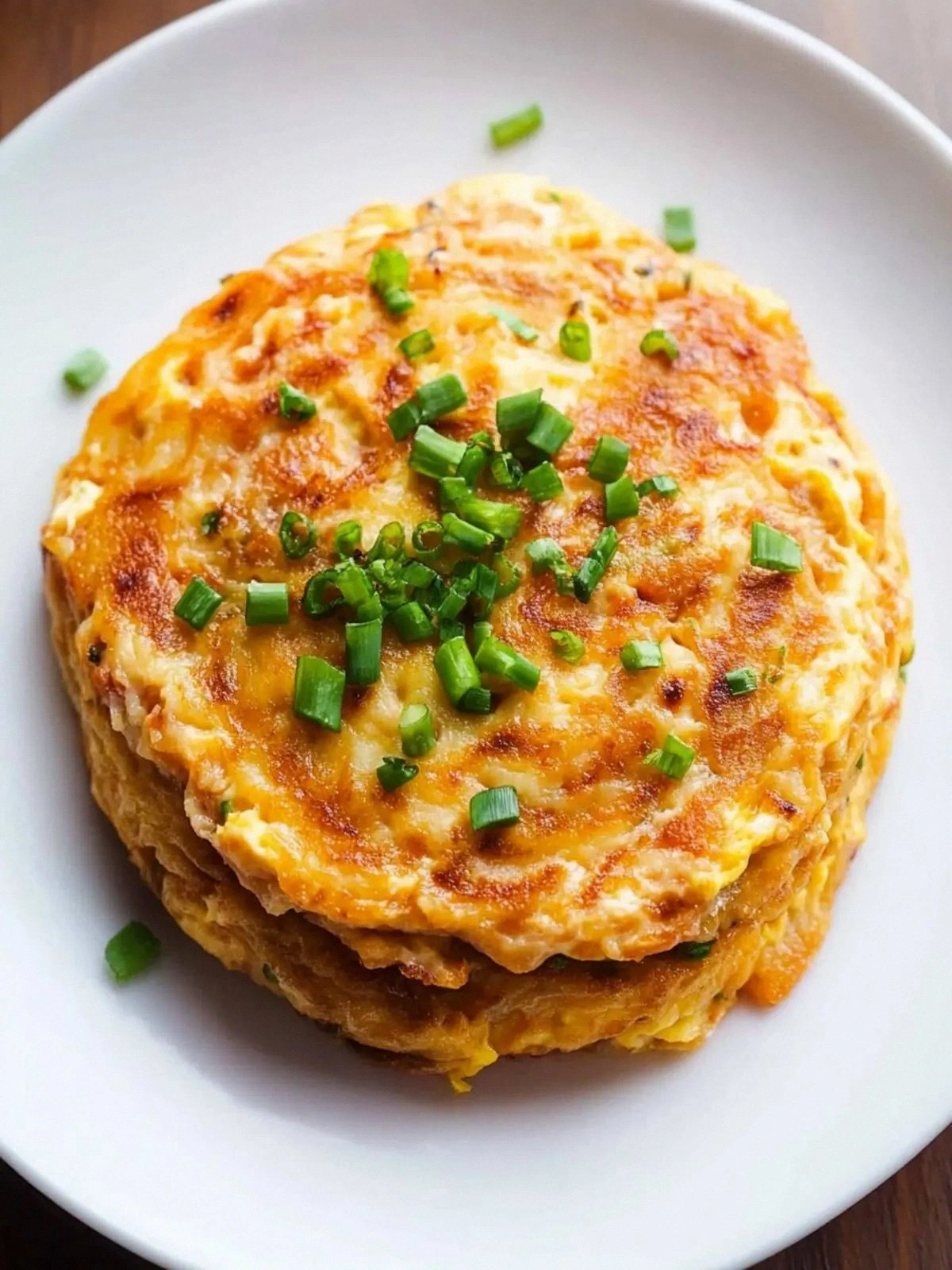
The Method — Step by Step
- Heat a non‑stick skillet over medium heat and swirl in 3 tablespoons of oil, ensuring the base is evenly coated. As the oil warms, you’ll hear a gentle hiss that signals the pan is ready. This step is crucial; a pan that’s too hot will sear the eggs, while one that’s too cool will leave them soggy. Once the oil shimmers, you’ll know the heat is just right.
- Whisk 3 large eggs in a bowl until the whites and yolks are fully blended. Add 1 teaspoon of Shaoxing wine, 1 teaspoon of oyster sauce, 2 teaspoons of soy sauce, a pinch of sugar, and 3 dashes of white pepper. The mixture should look glossy and slightly thick. This batter is the backbone of the dish; don’t rush it.
- Fold in the ground pork and shrimp, making sure they’re evenly distributed. Then, gently stir in the 2 ounces of bean sprouts. The sprouts should be just wilted, not overcooked. The goal is a harmonious blend of textures.
- Pour the mixture into the skillet, tilting the pan to spread it evenly. The batter should sizzle softly, indicating a gentle heat. Let it cook for 3–4 minutes, or until the edges lift and the surface begins to set. Avoid stirring at this point; the goal is a solid base.
- Sprinkle 1/2 teaspoon of sesame oil over the top for a fragrant finish. Then, cover the skillet with a lid and reduce the heat to low. The steam will cook the center evenly, keeping the eggs fluffy. This step is where the magic happens.
- After 5 minutes of steaming, carefully flip the foo young using a wide spatula. The flipped side should develop a golden crust; if it’s still pale, give it another minute. This step ensures both sides are equally cooked and visually appealing.
- Once the second side is golden, slide the foo young onto a plate. Slice it into wedges and serve immediately. The inside will be silky, the outside crisp, and the flavors will burst in each bite.
- If you’re making a larger batch, repeat the process, adjusting the heat as needed to accommodate the extra volume. Each batch will taste the same, thanks to the precise ratios we’ve outlined.
- Serve with a side of steamed rice or a fresh cucumber salad for a balanced meal. The rice soaks up the savory juices, while the cucumber adds a refreshing contrast. This combination is a classic pairing that elevates the dish.
That's it — you did it. But hold on, I've got a few more tricks that'll take this to another level...
Insider Tricks for Flawless Results
The Temperature Rule Nobody Follows
Cooking at the right temperature is the secret to a fluffy foo young. A pan that’s too hot will burn the outside while leaving the inside raw; too cool and the eggs will become rubbery. The ideal temperature is medium, where the oil shimmers but doesn’t smoke. Use a thermometer if you’re uncertain, aiming for 150–160°C (300–320°F).
Why Your Nose Knows Best
Your sense of smell can tell you if the batter is ready. When the eggs are about 70% set, you’ll detect a mild, sweet aroma from the soy and oyster sauce. If the smell is too sharp, give it a minute more. A well‑aromatized foo young signals that the flavors have melded.
The 5‑Minute Rest That Changes Everything
After flipping, let the foo young rest for 5 minutes before slicing. This rest allows the juices to redistribute, ensuring each bite is moist. A friend once tried cutting it immediately and ended up with a dry center. The rest is a simple step that elevates the overall texture.
The Quick Stir of Sesame Oil
Adding sesame oil just before serving gives the dish a fragrant finish. It also helps the sauce cling to the edges, creating a glossy sheen. A light drizzle is enough; too much oil will overwhelm the delicate flavors.
The Secret of a Clean Pan
After each batch, wipe the pan with a paper towel. Residue from the previous foo young can cause sticking in the next round. A clean pan ensures consistent results and saves you from cleaning up a sticky mess.
The Final Touch of Fresh Herbs
A sprinkle of chopped scallions or cilantro right before serving adds a burst of color and freshness. The herbs also bring a subtle brightness that balances the richness of the pork and shrimp. This final touch is often overlooked but makes the dish feel complete.
Creative Twists and Variations
This recipe is a playground. Here are some of my favorite ways to switch things up:
Veggie‑Rich Foo Young
Swap the pork for finely diced mushrooms and add sliced carrots, zucchini, and bell peppers. The result is a colorful, nutrient‑packed version that’s perfect for vegetarian diners. The veggies add a subtle sweetness that complements the savory sauces.
Spicy Szechuan Foo Young
Introduce 1 teaspoon of Szechuan peppercorns and a dash of chili oil into the batter. The peppercorns give a numbing heat, while the chili oil adds a smoky kick. This version is ideal for those who crave a fiery bite.
Seafood Extravaganza
Add a handful of scallops or diced fish alongside the shrimp. The seafood will absorb the sauces and create a luxurious texture. This twist turns the dish into a gourmet seafood feast.
Miso‑Infused Foo Young
Stir in 1 tablespoon of white miso paste with the sauces. The miso adds depth and a slightly sweet umami that pairs wonderfully with pork and shrimp. It also gives the batter a subtle golden hue.
Low‑Carb Version
Omit the bean sprouts and replace them with chopped spinach or kale. The leafy greens provide a low‑carb alternative while keeping the dish light and fresh. The spinach’s mild flavor doesn’t compete with the savory sauces.
Gluten‑Free Foo Young
Use a gluten‑free soy sauce and ensure the oyster sauce is also gluten‑free. The dish remains fully compliant with a gluten‑free diet. The flavors stay intact, and the texture remains fluffy.
Storing and Bringing It Back to Life
Fridge Storage
Cool the foo young completely before placing it in an airtight container. Store in the refrigerator for up to 2 days. The flavors will mellow slightly, but the texture remains firm.
Freezer Friendly
Wrap the foo young tightly in plastic wrap and then in foil before freezing. It can be stored for up to 1 month. When reheating, thaw overnight in the fridge.
Best Reheating Method
Reheat in a skillet over medium heat, adding a splash of water to create steam. This trick restores the fluffiness and prevents the eggs from drying out. Serve immediately after reheating for the best experience.