Picture this: it’s a rainy Saturday afternoon, the kind that makes you want to stay in bed, but the pantry whispers a different story. A jar of chickpea flour sits like a silent promise, a handful of fresh cilantro, and a whisper of green chilies. I was halfway through a disastrous attempt at a classic Indian besan pancake, and the kitchen was a battlefield of burnt edges and soggy centers. That day I decided to rewrite the rules, turning a humble batter into a crispy, flavor-packed marvel that would have my friends begging for seconds.
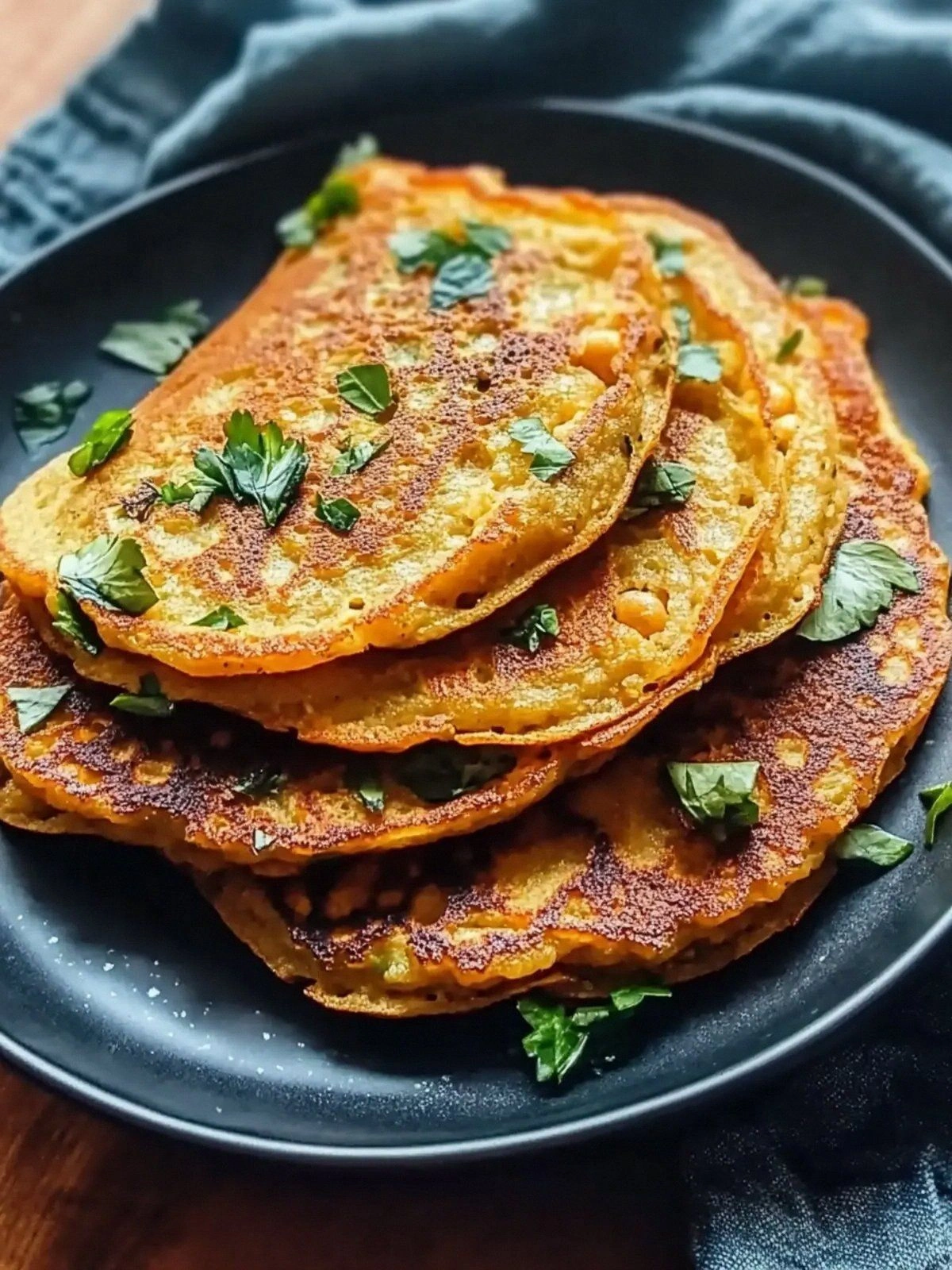
The moment the batter hit the hot skillet, the air filled with a nutty, earthy aroma that could have convinced a foodie to trade their coffee for a cup of chickpea. The sizzle was a drumbeat, the golden edges a promise of crunch. Each pancake emerged with a glossy sheen, the interior tender and lightly spiced. I tasted a piece and felt the perfect balance of heat from the chilies, the subtle earthiness of cumin, and the bright lift from fresh cilantro. If you’ve ever wrestled with the texture of chickpea flour, this version will feel like a revelation.
What makes this recipe a game changer isn’t just the ingredients; it’s the technique that turns a simple batter into a layered, multi-textured delight. I added a splash of water to keep the batter thin enough to spread like a pancake, yet thick enough to hold the veggies. The secret lies in the timing of adding the onions and peppers, letting them soften just before the batter sets. The result? A pancake that’s crisp on the outside, yet moist and flavorful inside, with a burst of green that’s almost impossible to ignore.
I dare you to taste this and not go back for seconds. I’ll be honest — I ate half the batch before anyone else got to try it. Most recipes get this completely wrong, but here’s what actually works: a balanced blend of spices, a precise batter consistency, and a method that keeps the edges crisp while the center stays tender. Picture yourself pulling these out of the pan, the whole kitchen smelling incredible, and the moment your friends ask how you made them. Let me walk you through every single step — by the end, you’ll wonder how you ever made it any other way.
What Makes This Version Stand Out
- Flavor: The combination of cumin, turmeric, and fresh cilantro creates a complex profile that feels both comforting and adventurous. Each bite delivers a burst of heat balanced by earthy undertones.
- Texture: The batter’s thin consistency allows for a crisp exterior while keeping the interior moist. The addition of grated carrot and spinach adds subtle crunch and nutrition.
- Ease: No pre‑mixing or long resting times. Just whisk, pour, and cook. Even a novice can achieve a professional result.
- Versatility: Works as a breakfast, snack, or light dinner. Pair with yogurt or chutney for a full meal.
- Visual Appeal: The vibrant green of cilantro and peppers against the golden batter makes for Instagram-worthy plating.
- Nutrition: High in plant protein and fiber, low in fat, and packed with micronutrients from fresh veggies.
- Make‑ahead Potential: Cooked pancakes keep well in the fridge for up to three days and reheat beautifully.
- Ingredient Quality: Using high‑quality chickpea flour and fresh vegetables maximizes flavor and ensures a consistent result.
Alright, let’s break down exactly what goes into this masterpiece…
Inside the Ingredient List
The Flavor Base
The chickpea flour (besan) is the star of the show, providing a nutty, slightly sweet foundation that pairs beautifully with the spices. It absorbs the water and creates a batter that’s smooth yet thick enough to hold the veggies. If you skip the flour, you lose that characteristic chew and the pancakes will crumble. For a richer flavor, consider using a 50/50 blend of chickpea and all‑purpose flour, though the texture will shift slightly.
The Texture Crew
Water is the liquid that binds the flour into a batter. It’s crucial to use room‑temperature water to avoid shocking the flour and causing lumps. The finely chopped onion and green bell pepper add a subtle sweetness and crunch that contrast the softness of the batter. The grated carrot brings a hint of earthiness and a pop of color, while the spinach offers a mild, leafy note that’s almost invisible but adds nutrition.
The Unexpected Star
Fresh cilantro isn’t just a garnish; it’s a flavor punch that cuts through the richness of the batter. The green chilies bring heat, but you can adjust the amount based on your tolerance. If you’re not a fan of cilantro, parsley is a decent substitute, though it will alter the final taste profile. Remember, the ginger‑garlic paste is the backbone of the spice mix, delivering warmth and depth.
The Final Flourish
Turmeric and cumin powder provide subtle color and depth. The turmeric offers a bright hue and anti‑inflammatory benefits, while cumin adds a warm, earthy tone. Salt ties everything together, but don’t be shy; taste as you go. A splash of vegetable oil in the pan ensures a crispy edge without excessive greasiness.
Everything’s prepped? Good. Let’s get into the real action…
The Method — Step by Step
- In a medium bowl, whisk the chickpea flour with the water until the mixture is smooth and free of lumps. The batter should be thick enough to coat the back of a spoon but still pourable. If it looks too thick, add a tablespoon of water at a time. This is the moment of truth; a smooth batter is the foundation of a great pancake.
- Add the finely chopped onion, green bell pepper, cilantro, green chilies, and grated carrot to the batter. Stir until the vegetables are evenly distributed. The colors should look vibrant, almost like a salad in a bowl. This step ensures each bite is packed with flavor.
- Fold in the ginger‑garlic paste, turmeric, cumin, and salt. Mix gently to avoid breaking the vegetables. The spices should coat the batter evenly, creating a uniform aroma as the pan heats. If you prefer a milder flavor, reduce the chilies to one.
- Heat a non‑stick skillet over medium heat and brush with a thin layer of vegetable oil. The oil should shimmer but not smoke. This prevents sticking and gives the pancakes a golden crust.
- Pour a ladleful of batter onto the skillet, spreading it into a thin circle about 6 inches in diameter. The batter should spread naturally; if it’s too thick, let it sit for a minute to loosen.
- Cook for 3–4 minutes until the edges lift and the underside turns golden brown. Flip carefully with a spatula and cook for another 2–3 minutes on the other side. The pancake should be crisp on the edges, slightly chewy inside.
- Remove the pancake and place on a plate lined with paper towels to absorb excess oil. Repeat the process with the remaining batter, adding a bit more oil to the pan if it begins to dry out. Each pancake should be consistent in size and thickness.
- Serve immediately with a dollop of yogurt or a squeeze of lime for extra zing. The yogurt’s creaminess balances the spice, while the lime adds a bright citrus note. If you’re in a hurry, store the cooked pancakes in an airtight container and reheat in a skillet or oven.
That's it — you did it. But hold on, I've got a few more tricks that'll take this to another level...
Insider Tricks for Flawless Results
The Temperature Rule Nobody Follows
Many cooks set the stove to high, but the best results come from a steady medium heat. A too‑hot pan burns the edges before the center cooks, while a too‑cool pan creates soggy pancakes. Keep the skillet at a steady medium and test with a drop of water; it should sizzle and evaporate quickly.
Why Your Nose Knows Best
Before flipping, listen for a subtle crackling sound and smell the batter. When the edges are golden and the aroma is nutty, it’s time to flip. Your nose can tell you when the pancake is perfectly cooked without a timer.
The 5-Minute Rest That Changes Everything
After cooking all the pancakes, let them rest on a wire rack for 5 minutes. This allows the steam to escape, keeping the pancakes crisp rather than soggy. I’ve seen people skip this step, and the result is a flat, heavy stack.
Use Fresh Vegetables for Extra Crunch
The texture of the vegetables plays a huge role. Fresh, crisp onions and peppers retain their crunch, while canned or frozen ones become mushy. If you’re in a hurry, quick‑sauté the veggies before adding them to the batter.
Serve With a Tangy Dip
A yogurt‑based dip with lemon juice, mint, and a pinch of salt elevates the pancake. The tanginess cuts through the richness, and the mint adds a fresh layer that complements the cilantro.
Creative Twists and Variations
This recipe is a playground. Here are some of my favorite ways to switch things up:
Cheesy Delight
Fold in ¼ cup grated cheddar or mozzarella into the batter for a gooey, melty texture. The cheese adds richness and a savory depth that pairs well with the spices.
Herb Explosion
Swap cilantro for a mix of fresh basil, mint, and dill. This gives the pancakes a Mediterranean vibe and a fresh, aromatic finish.
Spicy Avocado Spread
Serve the pancakes with mashed avocado, lime juice, and a dash of cayenne pepper. The creamy avocado balances the heat, creating a harmonious flavor profile.
Sweet & Savory Fusion
Add 1 tablespoon of honey to the batter and top with sliced banana after cooking. The sweetness complements the savory spices, making it a unique brunch option.
Gluten-Free Swap
Use a blend of chickpea and almond flour to keep the pancakes gluten-free while maintaining a firm texture. The almond flour adds a nutty flavor that pairs wonderfully with the spices.
Veggie‑Loaded Power
Increase the amount of spinach and add finely shredded zucchini. The extra veggies boost the nutrition and give the pancakes a vibrant green color.
Storing and Bringing It Back to Life
Fridge Storage
Cool the pancakes completely, then store them in an airtight container in the refrigerator for up to three days. The airtight seal prevents moisture from making them soggy.
Freezer Friendly
Place the cooled pancakes on a parchment‑lined tray and freeze until solid. Then transfer to a freezer bag. They’ll stay good for up to two months. When you’re ready, reheat directly from frozen.
Best Reheating Method
For the best texture, reheat in a skillet over medium heat, adding a splash of water to create steam and keep the pancakes moist. Alternatively, use a toaster oven at 350°F for 5–7 minutes. A tiny splash of water before reheating steams the pancakes back to perfection.