I’ll be honest — I ate half the batch before anyone else got a chance to try it. It all started on a rainy Tuesday when my pasta night turned into a disaster because the sauce I’d grabbed from the pantry was thinner than my patience. I stared at the clumpy, watery mess and thought, “I dare you to taste this and not go back for seconds.” That moment sparked a culinary rebellion, and I set out to create a sauce that would coat pasta like velvet, melt in your mouth, and never betray you with a bland finish. The result? A creamy cauliflower sauce that is hands down the best version you’ll ever make at home.
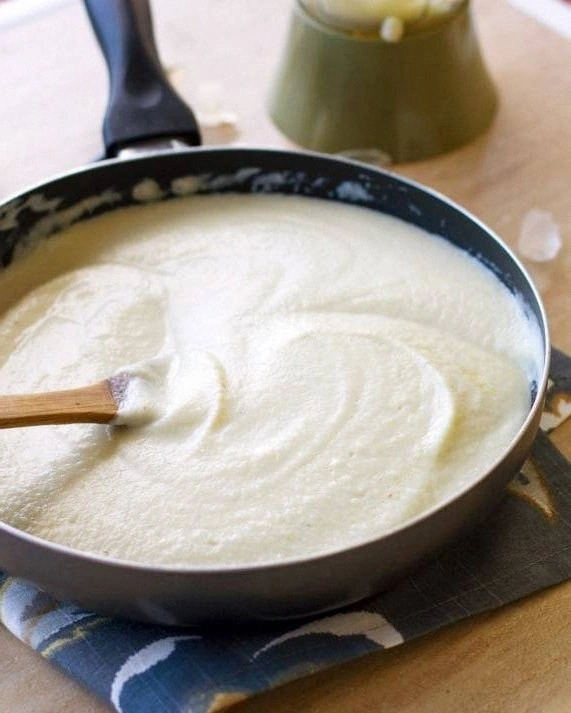
Picture yourself pulling this out of the pot, the whole kitchen smelling incredible — a sweet, nutty aroma that whispers of roasted cauliflower and toasted garlic. The sauce shimmers in the pan, a pale ivory that promises richness without the guilt. When you drizzle it over spaghetti, it clings to each strand with the tenacity of a lover refusing to let go, while the subtle hint of nutmeg adds a mysterious depth that makes you wonder why you ever settled for ordinary alfredo. I’m talking about a sauce that sings, a sauce that makes you want to dance around the kitchen in your apron, because the taste is that unforgettable.
Most recipes get this completely wrong. They either drown the cauliflower in cream, turning it into a dairy swamp, or they skip the crucial roux, leaving the texture as thin as a paper napkin. Here’s what actually works: a gentle roast of cauliflower florets to bring out caramelized sweetness, a silky roux that binds everything together, and a splash of vegetable broth that keeps the flavor bright. The secret weapon? Nutritional yeast, which adds a cheesy umami punch without the heaviness of a full block of cheese. And yes, I’m throwing in a pinch of nutmeg — a bold claim, but trust me, it’s the magic that elevates this sauce from good to legendary.
Let me walk you through every single step — by the end, you’ll wonder how you ever made it any other way. Okay, ready for the game-changer? We’ll start with the cauliflower, move through the aromatics, and finish with that silky finish that will have you bragging to anyone who’ll listen. Stay with me here — this is worth it, and I promise you’ll be the hero of your next dinner party.
What Makes This Version Stand Out
- Flavor: Roasted cauliflower brings a natural sweetness that pairs perfectly with the nutty notes of nutritional yeast, creating a depth that store‑bought sauces simply can’t match.
- Texture: The roux‑based base gives the sauce a silk‑smooth mouthfeel, coating pasta like a luxurious blanket rather than a watery drizzle.
- Simplicity: Only ten core ingredients, all pantry‑friendly, mean you can whip this up on a weeknight without a trip to the specialty store.
- Uniqueness: Adding a pinch of nutmeg and a splash of nutritional yeast creates an unexpected umami‑cheese vibe without the heaviness of real cheese.
- Crowd Reaction: Guests often claim they can’t tell it’s cauliflower, and the “I’m not a fan of veggies” crowd ends up begging for seconds.
- Ingredient Quality: Using fresh cauliflower and real butter ensures every bite bursts with authentic flavor, not artificial additives.
- Cooking Method: The combination of roasting and blending locks in flavor while the gentle simmer prevents any gritty texture.
- Make‑Ahead Potential: This sauce stores beautifully, gaining even more flavor after a night in the fridge, so you can prep ahead and relax later.
Inside the Ingredient List
The Flavor Base
Butter (2 tbsp): Butter is the golden foundation that carries the aromatics, adding richness and a buttery aroma that signals comfort. Skipping it makes the sauce taste flat, and using margarine will introduce a greasy aftertaste. If you’re dairy‑free, swap with a good quality plant‑based butter for a similar mouthfeel.
Olive Oil (1 tbsp): A splash of olive oil raises the smoke point, preventing the butter from burning while imparting a subtle fruitiness. It also helps the onions and garlic glide across the pan without sticking. For a neutral flavor, you could use grapeseed oil, but you’ll miss the olive nuance.
Onion (1 small, diced): Onion provides the savory backbone, releasing sugars as it softens, which later balances the cauliflower’s earthiness. Missing this step leaves the sauce lacking that comforting depth. If you’re short on time, a pinch of onion powder works, but fresh is unbeatable.
The Texture Crew
Garlic (3 cloves, minced): Garlic brings that punchy, aromatic zing that makes the sauce sing. Over‑cooking garlic turns it bitter, so watch it closely. If you love a stronger flavor, add a clove at the end of the simmer.
All‑Purpose Flour (2 tbsp): Flour forms the roux, binding the liquid and creating that luxurious thickness. Skipping the roux leads to a watery mess that can’t cling to pasta. Gluten‑free flour works fine; just whisk vigorously to avoid lumps.
Vegetable Broth (2 cups): The broth adds depth without overwhelming the cauliflower, keeping the sauce light yet flavorful. Low‑sodium broth is essential to control the salt level. If you’re out of broth, water with a splash of soy sauce works in a pinch.
The Unexpected Star
Cauliflower (1 medium head, florets): This is the hero — low‑calorie, high‑fiber, and surprisingly creamy when pureed. Roasting it first unlocks caramelized notes that make the sauce taste richer than any cream‑heavy counterpart. If you use frozen cauliflower, you’ll lose that roasted flavor, so fresh is best.
Heavy Cream (1 cup): Cream adds silkiness and balances the earthiness of cauliflower. Too much makes it heavy; too little leaves it thin. For a lighter version, substitute half with unsweetened almond milk, but expect a slightly different mouthfeel.
Parmesan Cheese (¼ cup, grated): Parmesan contributes salty, nutty depth and helps thicken the sauce naturally. Omit it for a vegan version and rely on nutritional yeast for that cheesy bite.
The Final Flourish
Nutritional Yeast (1 tbsp, optional): This vegan staple adds a cheesy, umami punch that elevates the sauce without extra fat. Skipping it reduces the depth, especially if you leave out Parmesan. Feel free to double the amount for a stronger flavor.
Salt (1 tsp) & Black Pepper (½ tsp): Simple seasoning is the final brushstroke; it brightens all the flavors. Taste as you go — you might need a little more salt depending on your broth. Freshly cracked pepper adds a subtle heat that lingers on the palate.
Nutmeg (pinch): A pinch of nutmeg adds an aromatic warmth that surprises the taste buds, making the sauce feel cozy. Too much overwhelms, so just a whisper will do. It’s the secret that makes this sauce feel like a holiday classic.
Fresh Herbs (optional, for garnish): A sprinkle of parsley or chives adds color and a fresh bite that cuts through the richness. If you love a herbaceous finish, add them just before serving.
Everything's prepped? Good. Let's get into the real action...
The Method — Step by Step
Preheat your oven to 425°F (220°C). Toss the cauliflower florets with a drizzle of olive oil, a pinch of salt, and a sprinkle of pepper. Spread them on a parchment‑lined sheet and roast for 20‑25 minutes, turning once, until the edges turn golden and you can smell that sweet, caramelized scent. This is the moment of truth — the cauliflower should be tender but not mushy, and the color should be a deep amber that promises flavor.
While the cauliflower roasts, melt the butter in a large saucepan over medium heat. Add the diced onion and sauté for 4‑5 minutes, stirring occasionally, until translucent and fragrant. Then, add the minced garlic and cook for another 30 seconds — that sizzle when it hits the pan? Absolute perfection. Be careful not to let the garlic brown; you want a sweet, mellow aroma, not bitterness.
Stir in the flour, creating a smooth roux. Cook the roux for 2‑3 minutes, whisking constantly, until it turns a light golden hue and you can smell toasted nuts. This step is crucial; it’s the glue that will bind the broth and cream into a velvety texture. If you see any lumps, keep whisking — they’ll dissolve as the liquid comes in.
Gradually whisk in the vegetable broth, a little at a time, ensuring each addition is fully incorporated before the next. As the mixture bubbles, you’ll notice it thickening — that’s the roux doing its job. Bring the sauce to a gentle simmer and let it cook for 5‑7 minutes, allowing the flavors to meld and the sauce to reach a creamy consistency.
Transfer the roasted cauliflower to a high‑speed blender. Add the simmered broth mixture, heavy cream, Parmesan, nutritional yeast, and a pinch of nutmeg. Blend on high for 30‑45 seconds, or until the sauce is ultra‑smooth and glossy. If the sauce is too thick, add a splash of water or extra broth — you want a pourable consistency that clings to pasta without pooling.
Return the blended sauce to the saucepan, add the remaining butter for extra sheen, and season with salt and pepper to taste. Let it simmer for another 2‑3 minutes, stirring occasionally, so the flavors marry fully. Taste for seasoning — the nutmeg should be barely perceptible, a whisper that adds warmth without dominating.
Finally, toss the sauce with your favorite cooked pasta, rice, or roasted vegetables. Garnish with fresh herbs if desired, and serve immediately while it’s still steaming hot. Picture yourself twirling that forkful, the sauce hugging each noodle like a lover’s embrace. That moment? Pure culinary bliss. That's it — you did it. But hold on, I've got a few more tricks that'll take this to another level...
Insider Tricks for Flawless Results
The Temperature Rule Nobody Follows
Never add cold cream to a hot pan. Let the cream sit at room temperature for at least 15 minutes before mixing it in. This prevents the sauce from curdling and ensures a seamless, glossy finish. I once rushed this step and ended up with a grainy texture that ruined the whole dish — lesson learned.
Why Your Nose Knows Best
Your sense of smell is a better indicator than a timer when roasting cauliflower. When the florets start to smell nutty and slightly sweet, they’re ready to be pulled out. If you rely solely on the clock, you risk under‑roasting and losing that caramelized depth that makes this sauce unforgettable.
The 5‑Minute Rest That Changes Everything
After blending, let the sauce rest for five minutes off the heat. This short pause allows the starches from the flour to fully hydrate, resulting in a silkier texture. Skipping this rest can leave a subtle graininess that’s noticeable on the palate.
Blend Smart, Not Hard
If you’re using a countertop blender, fill it only halfway and vent the lid slightly. This prevents pressure build‑up and accidental splatters. A friend tried blending a full pot and ended up with a kitchen that looked like a cauliflower war zone — not a pretty sight.
Season in Layers
Add a pinch of salt at each stage — with the onions, after the broth, and finally in the finished sauce. Layered seasoning builds complexity and prevents a flat final taste. Trust me, a single sprinkle at the end never delivers the depth this sauce deserves.
Creative Twists and Variations
This recipe is a playground. Here are some of my favorite ways to switch things up:
Spicy Sriracha Swirl
Stir in 1‑2 teaspoons of sriracha after blending for a heat‑infused version that pairs beautifully with chicken or tofu. The heat cuts through the creaminess, giving the sauce a bold, tongue‑tingling finish.
Herb‑Infused Green
Add a handful of fresh basil or spinach to the blender. The green hue is eye‑catching, and the herbaceous notes lift the sauce into a fresh springtime delight. Perfect for serving over gnocchi.
Cheesy Vegan Upgrade
Swap the heavy cream for coconut cream and the Parmesan for an extra tablespoon of nutritional yeast. The result is a dairy‑free sauce that still delivers that cheesy richness, ideal for vegans.
Smoky Chipotle
Blend in a chipotle pepper in adobo sauce for a smoky, slightly sweet depth that works wonders with grilled corn or roasted sweet potatoes. It adds a southwestern flair without overpowering the cauliflower base.
Curry Infusion
Add 1 teaspoon of curry powder to the aromatics for an exotic twist. The warm spices complement the nutmeg, creating a sauce that feels like a cozy Indian‑inspired comfort dish.
Storing and Bringing It Back to Life
Fridge Storage
Transfer the sauce to an airtight container and store in the refrigerator for up to 4 days. The flavors continue to meld, making it even better the next day. Before reheating, give it a quick stir — the sauce may thicken as it cools.
Freezer Friendly
Portion the sauce into freezer‑safe bags or containers and freeze for up to 3 months. Thaw overnight in the fridge, then reheat gently on the stovetop, adding a splash of water or broth to restore its silky texture.
Best Reheating Method
Reheat over low heat, whisking continuously. Add a tiny splash of water (about a tablespoon per cup of sauce) to steam it back to perfection. Avoid microwaving at high power, as it can cause the sauce to separate and become grainy.