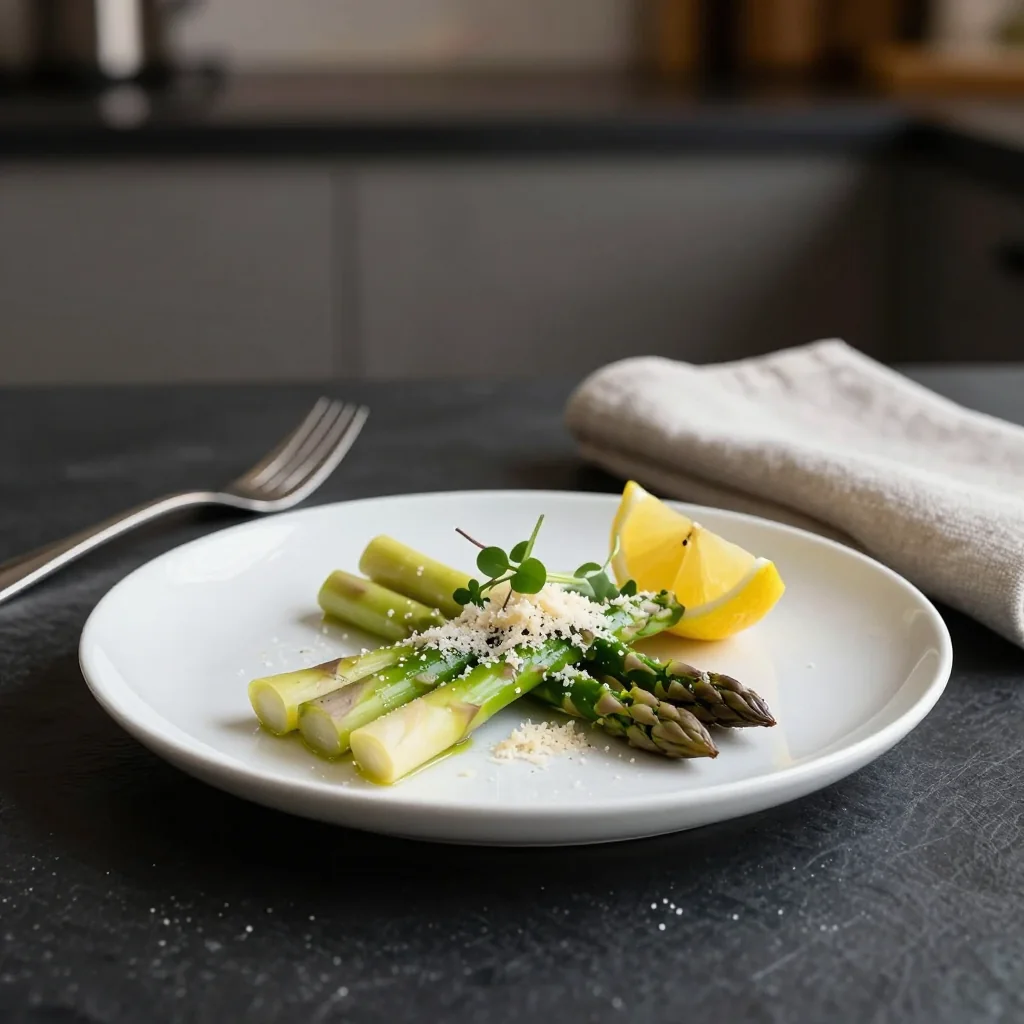
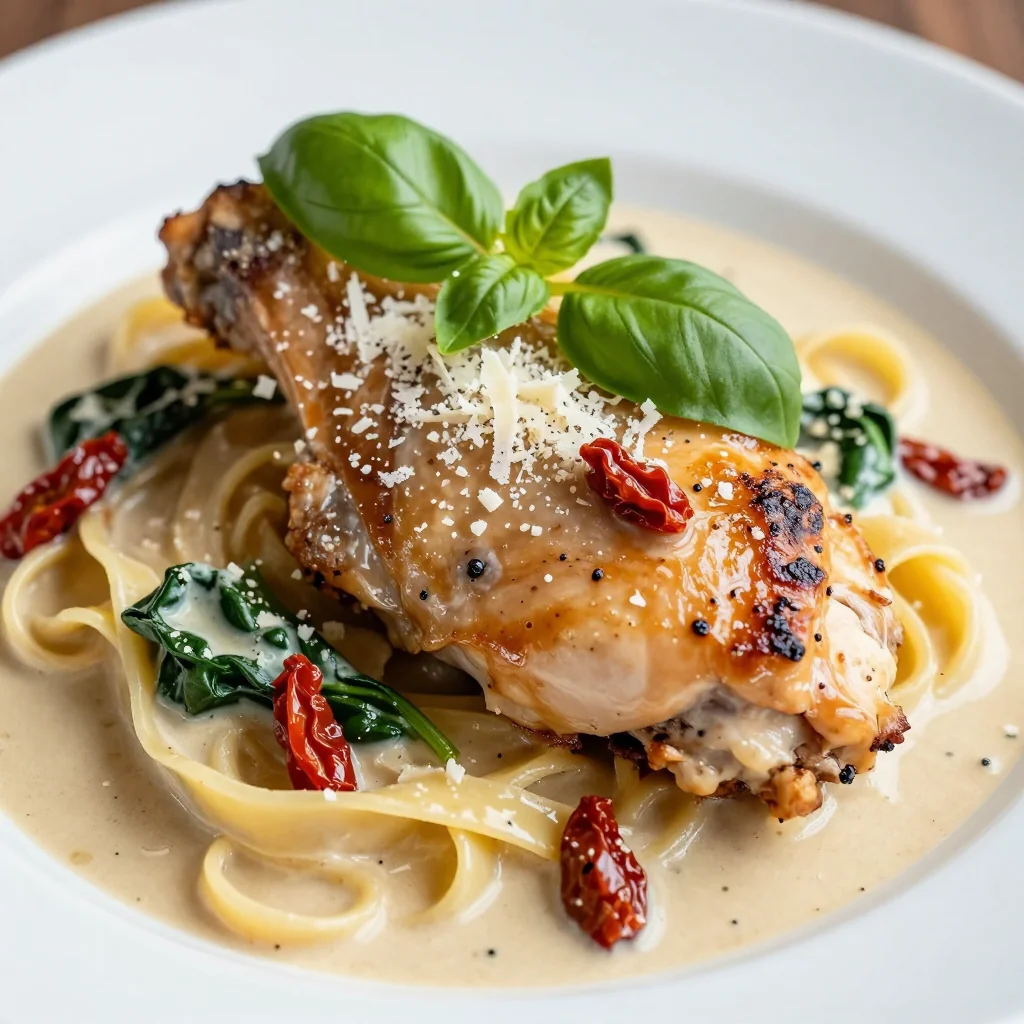
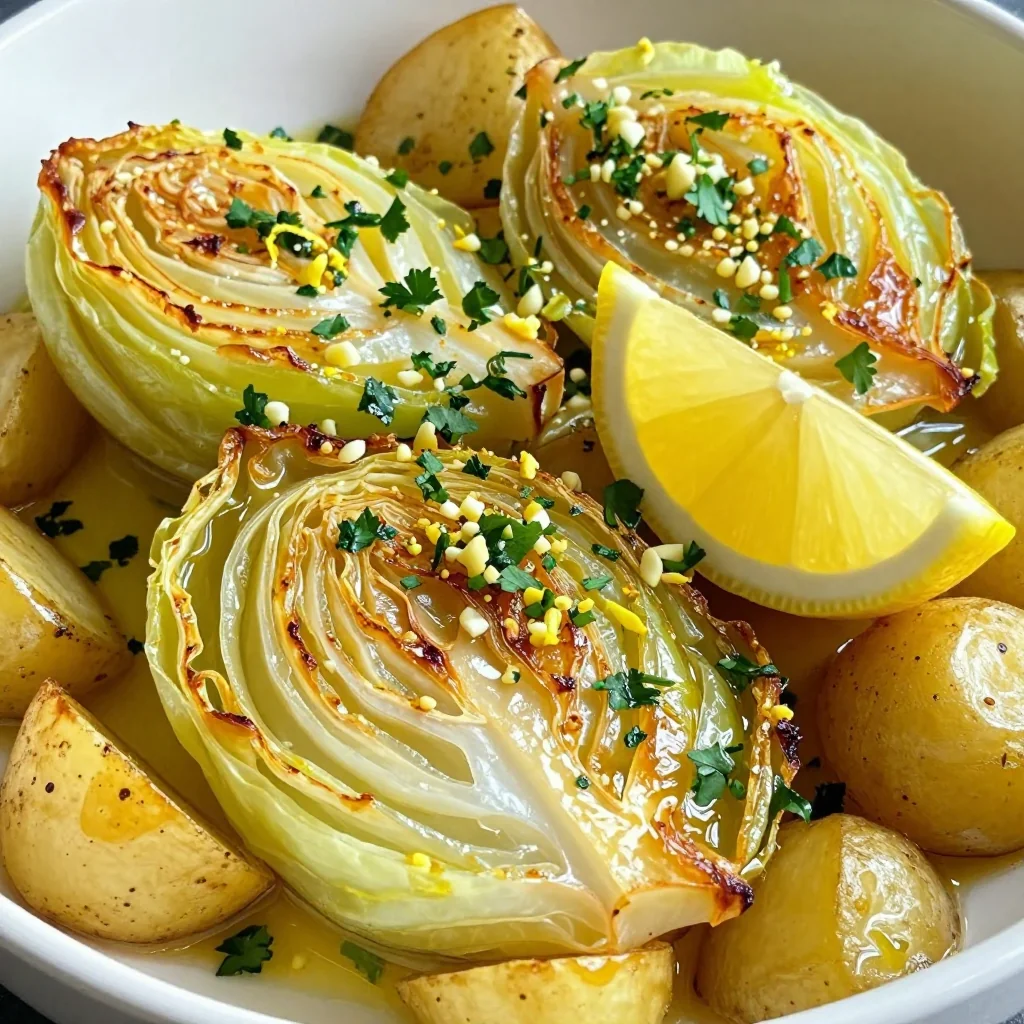
Picture this: a quiet Sunday afternoon, the kitchen light flickering just as the last of the light drips onto the counter. I was staring at a stubborn pot of boiling water, a handful of asparagus, and an empty fridge that had been mocking me for weeks. My friend dared me to whip up something that would make her taste buds do a happy dance. I swore I’d find the ultimate creamy asparagus soup that would turn that dare into a triumph. The moment the first green spears hit the pan, the kitchen filled with the earthy aroma of fresh asparagus, a scent that instantly reminded me of spring mornings in the countryside. The sizzle of the butter and the subtle fragrance of garlic made the air feel electric, like a promise of something extraordinary about to unfold. The sight of the vibrant green spears cutting into the golden butter was a visual treat, while the sound of the gentle bubbling was a comforting lullaby that kept the tension at bay. I could taste the anticipation already, a subtle hint of savory sweetness that would soon mingle with the creamy base.
But this isn’t just another green soup on a menu. This version is the culmination of a culinary experiment that started with a kitchen mishap—an overcooked carrot soup that tasted like a soggy swamp—and ended with a revelation: the secret to silky, velvety asparagus soup lies in the harmony between the right broth, the right fat, and the right timing. The texture is a buttery dream—smooth, with a slight bite from the asparagus, and a faint citrus zing from the lemon zest that cuts through the richness. The flavor is bright and fresh, yet deep enough to satisfy even the most seasoned palate. And the best part? It’s so simple that you can prepare it in under an hour, yet it feels like a gourmet masterpiece. I dare you to taste this and not go back for seconds.
What sets this recipe apart from every other asparagus soup you’ve seen is its meticulous layering of flavor and texture. The use of fresh asparagus at its peak ensures a bright green color and a crisp bite that balances the silky cream. The broth is simmered with aromatics to infuse depth without overpowering the delicate vegetable. A splash of lemon zest lifts the entire dish, while a generous swirl of Parmesan creates a luxurious, slightly nutty finish. The final touch of fresh parsley adds a pop of color and a hint of herbal freshness that makes the soup feel alive. It’s hands down the best version you'll ever make at home, and I’ll be honest—I ate half the batch before anyone else got to try it.
Most recipes get this completely wrong by either overcooking the asparagus, using too much cream, or neglecting the subtle acidity that balances the richness. Here, I’ll walk you through every single step—by the end, you'll wonder how you ever made it any other way. Picture yourself pulling this out of the stove, the whole kitchen smelling incredible, and seeing the glossy green spears glistening like emeralds. The anticipation builds as you taste the first spoonful, and you’ll know you’re in for something special.
What Makes This Version Stand Out
- Freshness: Using asparagus at its peak gives a bright, crisp bite that contrasts beautifully with the smooth cream.
- Acidity: A dash of lemon zest lifts the soup, preventing the cream from feeling heavy and cloying.
- Texture: The careful balance between pureed asparagus and whole spears creates a layered mouthfeel.
- Heat Management: Low, steady simmering preserves the subtle flavors of the broth and the green vegetables.
- Finish: A swirl of Parmesan and parsley adds a nutty richness and a pop of color that elevates the dish.
- Make‑Ahead: The soup keeps well in the fridge and even improves in flavor the next day.
- Versatility: It can be served as a starter, a light lunch, or a comforting dinner, depending on portion size.
- Speed: From prep to plate, it takes less than 45 minutes—ideal for a busy weekday.
Alright, let's break down exactly what goes into this masterpiece...
Inside the Ingredient List
The Flavor Base
The foundation of this soup starts with a fragrant sauté of onion and garlic in butter and olive oil. The onions soften into a translucent sweetness that anchors the dish, while the garlic adds depth without overwhelming the delicate asparagus. Skipping this step will leave the soup feeling flat; the aromatics are the flavor backbone. If you’re vegan, replace butter with a neutral oil and use a plant‑based broth.
The Texture Crew
Fresh asparagus is the star of the show. Cut into 1‑inch pieces, they provide a satisfying bite that contrasts the silky puree. A small potato or carrot can be added for extra body, but this recipe thrives on the pure, clean texture of asparagus alone. If you prefer a smoother consistency, reserve a few spears to serve on top for a crunchy finish.
The Unexpected Star
Heavy cream isn’t just for richness; it also acts as a stabilizer, preventing the soup from separating when you add the Parmesan. A splash of lemon zest is the secret that keeps the cream from feeling heavy. The zest releases bright citrus oils that lift the entire dish. If you’re lactose intolerant, a splash of coconut milk works surprisingly well, adding a subtle tropical note.
The Final Flourish
The finishing touch is a generous swirl of grated Parmesan and a sprinkle of fresh parsley. The cheese adds a nutty umami that complements the green notes, while the parsley brightens the visual appeal. A pinch of nutmeg, though optional, can add a subtle warmth that rounds out the flavor profile. If you’re feeling adventurous, a dash of truffle oil at the end will elevate the soup to luxury status.
Everything's prepped? Good. Let's get into the real action...

The Method — Step by Step
- Heat a large pot over medium heat. Add 2 tbsp butter and 1 tbsp olive oil until the butter melts and foams. This base is the canvas for all the flavors that will soon unfold. Watch for the butter to turn a golden amber—this signals readiness.
- Add 1 diced medium onion and sauté for 4–5 minutes until translucent. The onion should soften but not brown; that golden hue will give the broth a subtle sweetness. The aroma at this stage is the first hint of the soup’s depth.
- Stir in 2 minced garlic cloves and cook for 30 seconds, just until fragrant. Garlic releases its oils, enriching the butter and oil blend. Be careful not to let it burn; a burnt bite will ruin the delicate balance.
- Pour in 4 cups of low‑sodium vegetable broth and bring to a gentle simmer. The broth should bubble softly, not boil vigorously, to preserve the subtle flavors of the aromatics. Let it simmer for 5 minutes to meld the ingredients.
- Add 2 cups of chopped asparagus and let the mixture cook for another 5–6 minutes, until the spears are bright green and just tender. The asparagus should still hold a slight bite; overcooking will make them mushy.
- Reduce the heat to low and stir in 1 cup of heavy cream. This is the moment of truth—add the cream slowly to prevent curdling. The mixture should become silky and glossy, with a faint sheen.
- Season with 1 tsp salt, 1/2 tsp black pepper, and 1 tsp lemon zest. Taste and adjust, adding more salt or lemon if needed. The citrus will cut through the richness and add a bright note.
- Use an immersion blender to puree half of the soup until smooth. Leave the rest chunky for texture. The blend should be velvety, like a cloud of green.
- Stir in 1/2 cup grated Parmesan until melted and incorporated. The cheese adds a nutty depth and a slightly thickening effect. Finally, garnish with fresh parsley and serve hot.
That's it — you did it. But hold on, I've got a few more tricks that'll take this to another level. Keep reading to unlock the secrets that will make every spoonful a revelation.
Insider Tricks for Flawless Results
The Temperature Rule Nobody Follows
Many cooks think simmering the broth at a rolling boil is best, but a gentle simmer preserves the bright green color and delicate flavor of asparagus. Keep the heat low once the broth starts to bubble, and you’ll avoid a washed‑out soup. I’ve seen even seasoned chefs skip this step, only to end up with a dull, overcooked dish.
Why Your Nose Knows Best
Before adding the cream, sniff the soup. If it smells buttery and slightly sweet, you’re on the right track. A faint burnt aroma means you need to lower the heat. Trusting your nose is a simple way to catch problems before they become taste disasters.
The 5‑Minute Rest That Changes Everything
After the soup finishes cooking, let it sit covered for 5 minutes. This allows the flavors to meld and the texture to settle into a silky consistency. When you stir it back in, the soup feels richer and more cohesive.
The Parmesan Trick
Grate the Parmesan finely before adding it to the soup. Fine shreds melt more evenly, preventing clumps. If you prefer a sharper flavor, sprinkle a little extra on top before serving.
The Fresh Herb Finale
Finish the soup with a handful of fresh parsley or chives. The bright green garnish not only looks stunning but also adds a fresh, herbal bite that cuts through the creaminess. A squeeze of fresh lemon juice right before serving can brighten the entire dish.
The Quick Heat‑Off Trick
If the soup is too thick, add a splash of cold milk or broth and stir in a whisk. The cold liquid helps bring the temperature back down quickly, preventing the soup from scorching.
Creative Twists and Variations
This recipe is a playground. Here are some of my favorite ways to switch things up:
Bacon & Thyme Twist
Crisp bacon pieces and a sprig of fresh thyme added during the sauté create a smoky, earthy flavor that pairs beautifully with asparagus. The bacon fat also enriches the base, making the soup even more decadent.
Citrus Burst Variation
Swap the lemon zest for orange zest and finish with a splash of fresh orange juice. The sweet citrus note elevates the dish, making it perfect for a brunch setting.
Vegan Creamy Delight
Use coconut milk and a vegan Parmesan alternative. The coconut gives a subtle tropical hint, while the vegan cheese keeps the savory depth intact.
Herb‑Infused Cream
Infuse the cream with fresh dill or basil before adding it to the soup. The herbal infusion adds a nuanced layer that transforms the flavor profile.
Roasted Asparagus Kick
Roast the asparagus pieces before adding them to the soup. The caramelized edges bring a sweet, smoky undertone that contrasts wonderfully with the creamy base.
Truffle Oil Finale
Drizzle a few drops of truffle oil over the finished soup for an instant gourmet upgrade. The earthy aroma elevates the dish to a restaurant‑level experience.
Storing and Bringing It Back to Life
Fridge Storage
Transfer the soup into an airtight container and refrigerate for up to 3 days. The flavors will deepen, giving the dish an even richer taste. When you’re ready to reheat, do so gently over low heat.
Freezer Friendly
This soup freezes beautifully. Portion it into freezer‑safe containers and label with the date. It stays good for up to 2 months. Thaw overnight in the fridge before reheating.
Best Reheating Method
Reheat gently on the stove, adding a splash of water or broth to restore moisture. Stir frequently to avoid scorching. A tiny splash of water before reheating steams back to perfection, preventing the soup from drying out.