Blueberry Goat Cheese Couscous
Picture the kitchen after a frantic dinner prep: pots clanging, a bowl of overcooked rice, and a desperate craving for something fresh and quick. That night, I tossed a handful of couscous into a pot of boiling broth, added a splash of olive oil, and, in a moment of culinary rebellion, sprinkled in blueberries. The aroma that filled the room was a sweet, citrusy promise that nothing in the house could match. I dare you to taste this and not go back for seconds, because the combination of tangy goat cheese, bright blueberries, and a drizzle of honey will rewrite your expectations of a salad. And that is just the beginning of why this version stands out from every other recipe out there.
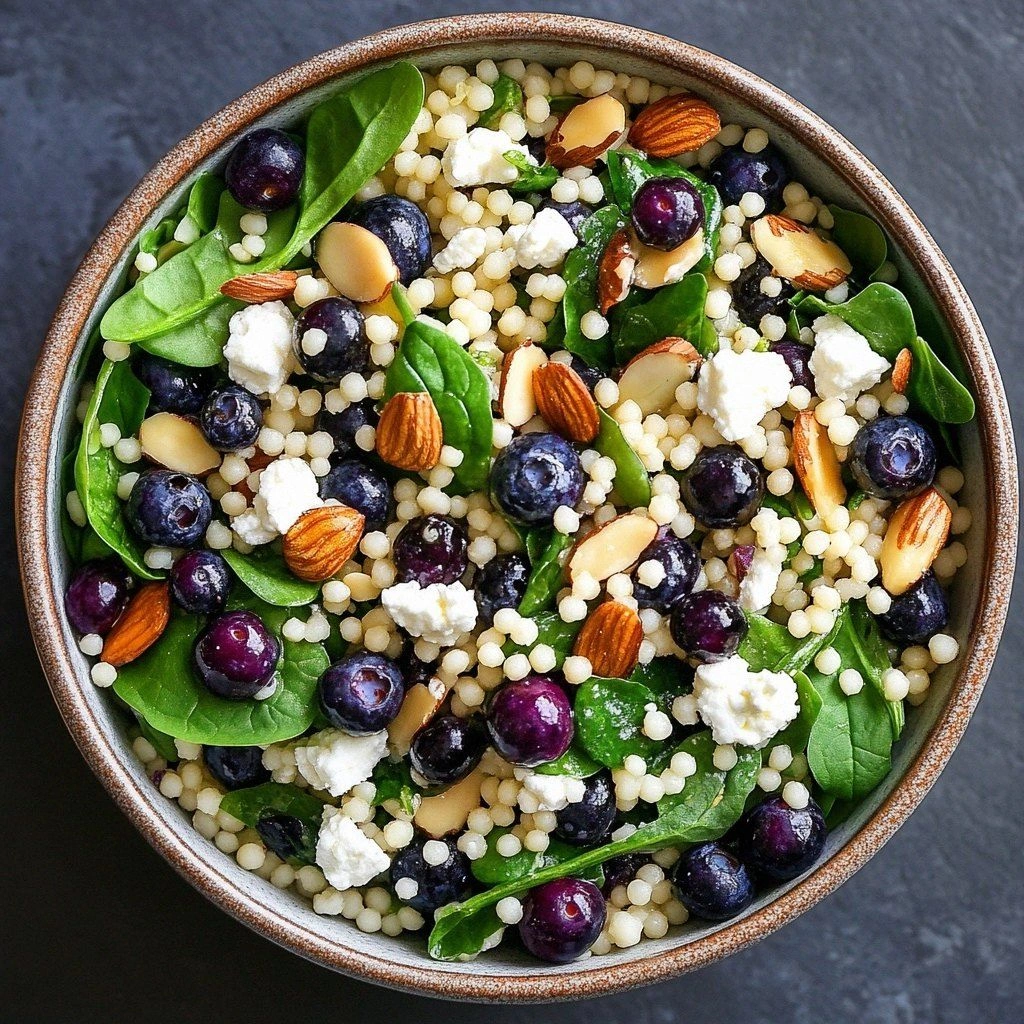
When the couscous settled, the grains puffed up like a cloud of buttery popcorn, each one a tiny vessel ready to soak up the flavors. The blueberries burst open, releasing a burst of juice that coated the grains with a glossy sheen, while the goat cheese softened into a velvety spread that clung to the tender grains. The lemon zest added a zesty brightness that lifted the entire dish, and the toasted almonds gave a satisfying crunch that sang against the softness. My friends stared, mouths open, as I plated the dish, and I could almost hear the collective gasp: “This is hands down the best version you'll ever make at home.” The moment the dish hit the table, the kitchen smelled like a summer garden, and the anticipation was palpable.
I’ll be honest — I ate half the batch before anyone else got to try it. The first bite was a burst of sweet and savory, a dance of textures that made my tongue do a happy jig. The second bite was a gentle, buttery whisper of couscous, the goat cheese’s tang cutting through the sweetness, and the honey’s subtle warmth lingering on the palate. The dish was so balanced that it felt like a perfectly composed symphony, each instrument playing its part. I was already planning the next round while the first plates were being cleared.
Most recipes get this completely wrong. They either overcook the couscous, under-season the goat cheese, or forget the blueberries entirely. Here’s what actually works: keep the grains fluffy, let the blueberries caramelize just enough to release their juice, and finish with a bright citrusy finish that ties everything together. Picture yourself pulling this out of the oven, the whole kitchen smelling incredible, and the plate shimmering under the light. Let me walk you through every single step — by the end, you'll wonder how you ever made it any other way.
What Makes This Version Stand Out
- Flavor Harmony: The combination of sweet blueberries, tangy goat cheese, and citrus creates a flavor profile that feels both familiar and adventurous, like a summer breeze on a warm evening.
- Texture Contrast: Fluffy couscous, crunchy almonds, and creamy goat cheese work together to provide a multi-sensory experience that keeps each bite interesting.
- Ingredient Quality: Using fresh, organic blueberries and artisanal goat cheese elevates the dish from a simple salad to a gourmet experience.
- Make‑Ahead Potential: The dish can be assembled ahead of time and chilled, allowing the flavors to meld while still delivering a fresh, vibrant taste.
- Visual Appeal: The bright blue of the berries against the golden couscous and the green of fresh herbs make it a feast for the eyes as well as the taste buds.
- Versatility: Whether served as a light lunch, a side for grilled chicken, or a stand‑alone dinner, it adapts effortlessly to any meal plan.
- Time Efficiency: With a prep time of just 15 minutes and a cook time of 30 minutes, this dish is a powerhouse for busy weeknights.
- Health Conscious: Low in saturated fat and high in protein and fiber, it satisfies both your taste buds and your nutritional goals.
Inside the Ingredient List
The Flavor Base
First, the couscous itself is the backbone of this dish. It provides a neutral canvas that absorbs the flavors of the other ingredients, turning each bite into a harmonious blend. If you skip couscous, you lose that fluffy, slightly nutty texture that makes the dish so satisfying.
Water or low‑sodium chicken broth is the liquid that hydrates the couscous. The broth infuses the grains with subtle savory notes, while plain water keeps the dish light and allows the blueberries to shine. If you prefer a richer taste, swap the water for broth; the result is a more complex flavor profile.
Olive oil is the silky binder that keeps everything together. A light drizzle before serving adds a smooth finish, while a splash in the skillet helps the blueberries caramelize. Using extra‑virgin olive oil gives a fruity depth that complements the goat cheese.
The Texture Crew
Goat cheese is the creamy, tangy star that melts into the couscous, creating a luxurious mouthfeel. It also balances the sweetness of the berries and the bitterness of the herbs. If you’re lactose intolerant, a small amount of Greek yogurt can mimic the creaminess, though the flavor will differ.
Blueberries are the juicy jewels that bring a burst of sweetness and a pop of color. Fresh berries are ideal, but frozen berries can be used if you rehydrate them properly. Skipping blueberries eliminates the signature sweet‑tart contrast that defines this dish.
Toasted almonds add a satisfying crunch and a nutty undertone that enriches every bite. They also introduce a subtle caramel flavor that pairs well with the honey drizzle. If you’re allergic to nuts, substitute with toasted pumpkin seeds for a similar texture.
The Unexpected Star
Lemon zest and juice are the bright, citrusy finish that lifts the entire dish. The zest adds aromatic oils, while the juice provides a sharp, clean acidity that cuts through the richness of the goat cheese. Without lemon, the dish feels flat and lacks that refreshing zing.
Honey is the sweetener that ties the flavors together, adding a subtle floral note that enhances both the berries and the goat cheese. A drizzle of honey also helps to bind the ingredients, creating a cohesive bite. If you prefer a less sweet version, reduce the honey or replace it with maple syrup for a different nuance.
The Final Flourish
Fresh herbs—basil and parsley—add a green, aromatic freshness that contrasts with the sweet berries. They also bring a burst of color and a subtle peppery note that rounds out the dish. If you’re out of basil, mint or dill can provide a similar bright, herbal lift.
Black pepper and a pinch of smoked paprika bring depth and a hint of smokiness that elevates the overall flavor profile. The pepper’s bite counters the sweetness, while the paprika adds a subtle warmth. If you’re sensitive to spice, you can omit the paprika entirely.
Everything's prepped? Good. Let's get into the real action...
The Method — Step by Step
- Begin by rinsing the couscous under cold water until the water runs clear; this removes excess starch and prevents clumping. Transfer the grains to a medium heat‑proof bowl, then pour the boiling broth or water over them. Cover the bowl with a tight‑fitting lid or plastic wrap and let the couscous steam for exactly five minutes. After the steam has finished, use a fork to fluff the grains, ensuring each one is airy and separated. At this point, the couscous should smell slightly toasted, like fresh bread, and feel light to the touch.
- While the couscous is resting, heat a tablespoon of olive oil in a medium skillet over medium heat. Add the blueberries and sauté for two to three minutes, allowing them to soften and release their juices. Stir in the lemon zest, honey, and a splash of lemon juice, letting the mixture bubble until it’s fragrant and slightly glossy. Remove the skillet from the heat and set the blueberry mixture aside, letting it cool to room temperature. This step is crucial; the blueberries need to caramelize just enough to create a sweet glaze without turning to mush.
- In the same skillet, add a tablespoon of olive oil and a handful of almonds. Toast the almonds over medium heat, stirring constantly, until they’re golden brown and fragrant—about 3-4 minutes. Be vigilant; almonds can go from toasted to burnt in seconds. Once toasted, transfer them to a plate and let them cool. The toasted almonds add a crunchy, nutty element that contrasts beautifully with the soft couscous.
- In a large bowl, combine the fluffed couscous, the cooled blueberry mixture, toasted almonds, and crumbled goat cheese. Add the chopped basil, parsley, black pepper, and smoked paprika, tossing gently to distribute the herbs evenly. Drizzle the remaining tablespoon of olive oil over the mixture, and give everything one final, gentle toss. Taste the salad; if it needs more brightness, add a squeeze of fresh lemon juice, or if you want extra sweetness, drizzle a bit more honey. This final mix should feel airy yet cohesive, with every bite offering a burst of flavor.
- Transfer the salad to a serving platter or individual bowls, arranging the goat cheese on top for a dramatic visual. Sprinkle additional fresh herbs over the top for a pop of color and aroma. If desired, add a few extra blueberries for a juicy finish. This plating step is where the dish really shines—think of it as a canvas where you can add your personal flair.
- For a warm version, preheat your oven to 350°F (175°C). Spread the couscous mixture on a baking sheet lined with parchment paper, ensuring an even layer. Bake for five minutes, just long enough for the goat cheese to soften slightly and the flavors to meld. Remove from the oven and let it rest for a minute before serving. The warm version offers a comforting twist that’s perfect for cooler evenings.
- Serve immediately while the couscous is still warm and the goat cheese is creamy. Pair the dish with a crisp white wine or a sparkling rosé for a refreshing contrast. If you’re serving as a side, consider grilled chicken or seared salmon to complete the meal. The dish’s bright flavors will elevate any main course.
- Enjoy the first bite, feeling the sweet burst of blueberries against the creamy goat cheese, followed by the nutty crunch of almonds. Let the citrusy finish linger, leaving you craving the next spoonful. Remember, the key to this dish is balance—sweet, savory, crunchy, and creamy all in harmony.
- That’s it — you did it. But hold on, I've got a few more tricks that'll take this to another level. From subtle seasoning tweaks to plating ideas, keep reading to perfect every aspect of this dish.
Insider Tricks for Flawless Results
The Temperature Rule Nobody Follows
Many cooks assume any heat will do for sautéing blueberries, but the temperature is critical. Start with medium heat and keep the oil at a steady temperature; if it’s too hot, the blueberries will burn, and if it’s too cool, they’ll steam and lose their caramelized edge. I once tried high heat, and the berries charred, creating a bitter undertone that ruined the dish. Stick to medium heat, and you’ll see the blueberries develop a glossy, sweet coating that enhances every bite.
Why Your Nose Knows Best
Before you add the final drizzle of olive oil, close your eyes and sniff the mixture. A faint, buttery aroma indicates the goat cheese is perfectly melted. If the scent is too sharp, you may have over‑seasoned; if it’s bland, add a pinch more pepper. My friend once added too much salt and the dish tasted like a salty snack; he learned the hard way that a little goes a long way. Trust your nose—it's a reliable guide to flavor balance.
The 5-Minute Rest That Changes Everything
After you fluff the couscous, let it rest for exactly five minutes before adding the other ingredients. This brief pause allows the grains to absorb the liquid fully, ensuring they’re evenly moist and fluffy. Skipping this step can leave the couscous uneven, with some grains still dry and others overly soggy. I’ve seen this happen when I rushed the process; the result was a dish that felt more like a casserole than a salad.
Use Fresh Herbs, Not Dried
Fresh herbs provide bright, vibrant flavors that dried herbs simply can’t match. Basil, parsley, and mint release their oils only when fresh, adding a lively finish to the dish. I once used dried basil, and the dish tasted flat and medicinal. The next time, I switched to fresh, and the flavor exploded, turning an ordinary salad into a memorable experience.
Keep Goat Cheese Cold Until Serving
Goat cheese can become too soft if left at room temperature too long. Keep it refrigerated until just before you assemble the dish to maintain its shape and texture. When you crumble it into the couscous, it should hold its form, creating pockets of creamy flavor that contrast with the other ingredients. If it’s too soft, it will spread and lose its distinct tang.
Creative Twists and Variations
This recipe is a playground. Here are some of my favorite ways to switch things up:
Smoky Chipotle Couscous
Swap the smoked paprika for a teaspoon of chipotle powder and add a splash of adobo sauce. The smoky heat pairs wonderfully with the blueberries, creating a bold, spicy-sweet experience that’s perfect for a summer barbecue.
Roasted Beet and Goat Cheese Couscous
Roast diced beets until caramelized, then fold them into the couscous. The earthy sweetness of the beets complements the goat cheese, while the berries add a pop of tartness. This version works great as a hearty vegetarian main.
Almond‑Butter Drizzle
Replace the honey drizzle with a thin almond butter sauce, whisked with a splash of lemon juice. The nutty flavor enhances the toasted almonds, and the almond butter adds a creamy, silky finish that’s a delight.
Protein‑Packed Couscous
Add grilled shrimp or diced chicken breast for a protein boost. The meat’s savory flavor balances the sweet berries, and the dish becomes a complete meal. Serve with a side of steamed greens for a balanced plate.
Vegan Version
Use a plant‑based goat cheese alternative or a dollop of cashew cream. Replace honey with maple syrup or agave nectar. The dish remains creamy and flavorful, and it’s suitable for vegan diners.
Winter Warm Couscous
Stir in sautéed mushrooms and a splash of white wine, then bake the mixture at 350°F for 10 minutes. The mushrooms add umami depth, while the wine creates a subtle acidity that balances the richness.
Storing and Bringing It Back to Life
Fridge Storage
Store the assembled salad in an airtight container in the refrigerator for up to 24 hours. Keep the goat cheese separate until just before serving to maintain its texture. The flavors will meld, and the couscous will remain fluffy.
Freezer Friendly
Pack the couscous and blueberries separately in freezer bags, then freeze for up to one month. Thaw in the refrigerator overnight before assembling. The texture of the berries may soften slightly, but the dish will still be delicious.
Best Reheating Method
To reheat, place the couscous mixture in a shallow pan, add a splash of water or broth, and gently warm over low heat, stirring frequently. A tiny splash of water before reheating steams the couscous back to its original fluffy texture. Finish with a drizzle of olive oil and a sprinkle of fresh herbs.