I still remember the night I almost ruined a dinner party because I tried to impress a friend with a dish that turned out bland and soggy. The kitchen was a mess, the sauce had a watery consistency, and the meat was tougher than a piece of old leather. That disaster was the spark that drove me to research the traditional Greek recipe for beef giouvetsi until I found a version that felt like a culinary revelation. I spent hours reading forums, watching videos, and tasting every iteration until I landed on a method that balances flavor, texture, and simplicity in one glorious pot. The result? A dish that sings with savory depth and comforting comfort.
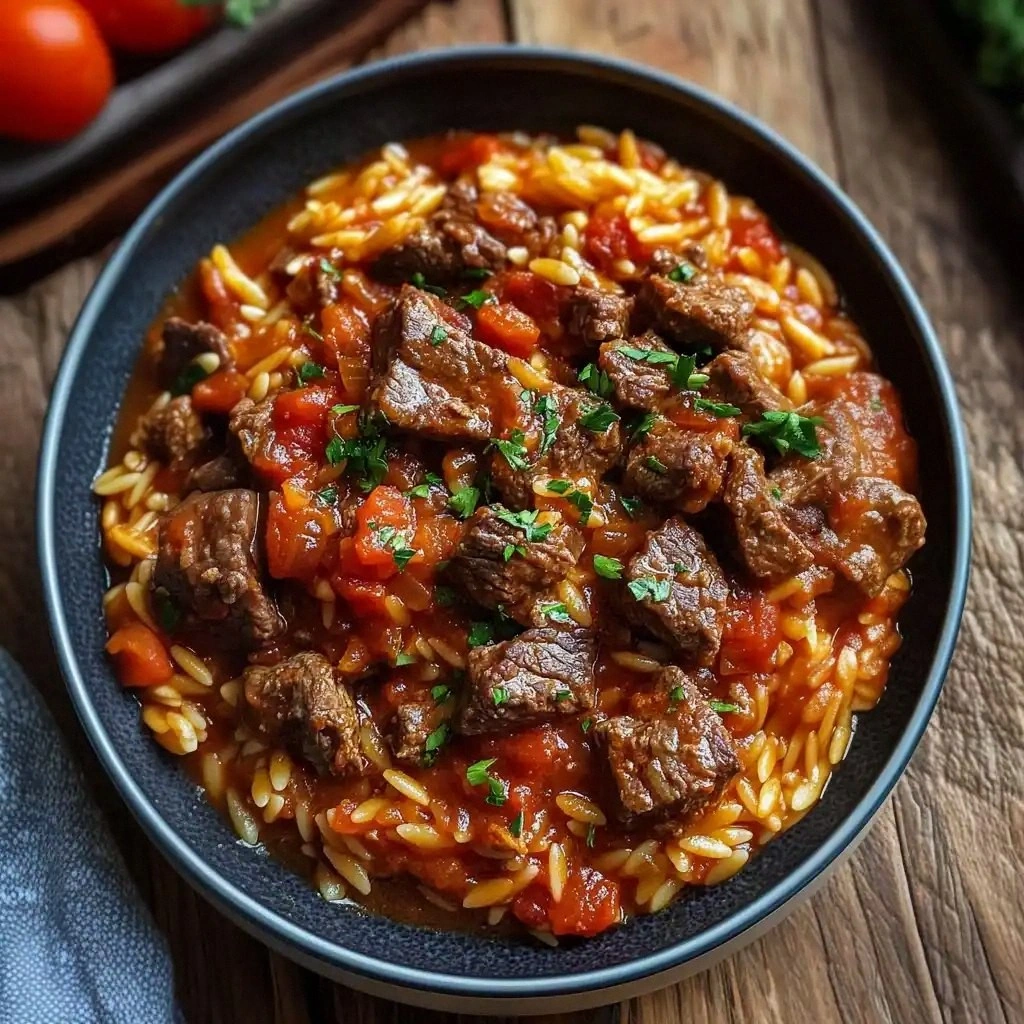
Picture the moment you slide the finished giouvetsi onto a wooden platter: the golden crust of orzo glistens like a sunlit sea, the aromatic steam carries notes of cinnamon and bay leaf, and the tender beef shivers with juices that cling to every grain. The first bite is a symphony—crunch from the orzo, a burst of tomato tang, and the subtle sweetness of caramelized onions that melt in your mouth. The texture is a paradox: the pasta is al dente, the meat is silky, and the sauce clings like velvet to every surface. You can almost hear the sizzling whisper of the pan as it seals the meat, sealing in flavors that will linger long after the last forkful. And the finish? A gentle, savory aftertaste that invites another scoop, a challenge I dare you to resist.
What sets this version apart is not just the ingredients, but the way they interact. The sauce thickens into a glossy, almost buttery coating that hugs the orzo, while the meat stays moist and flavorful. The use of a cinnamon stick and allspice gives a warm, almost spiced wine note that you don't find in typical pasta sauces. The recipe is forgiving, yet it demands a few precise steps that elevate the dish from simple to unforgettable. It’s a dish that can be made for a quick weekday dinner or a special gathering—always delivering a crowd-pleasing result. I’ve tried and re‑tried it, and every time I’m amazed at how the flavors deepen, proving this is hands down the best version you'll ever make at home.
And there’s a twist you won’t expect: I swap the typical canned tomatoes for a fresh tomato paste, which concentrates the flavor and gives the sauce a richer, more complex base. This small change makes the sauce thicker and more luxurious, and it allows the spices to shine brighter. Picture yourself pulling this out of the oven, the whole kitchen smelling incredible, and the anticipation of that first bite building like a crescendo. Stay with me here—this is worth it. I’ve got the recipe, the tricks, and the confidence to make it yours.
What Makes This Version Stand Out
- Bold Flavor: The combination of cinnamon, allspice, and bay leaves creates a warm, aromatic base that sets the tone for the dish.
- Textural Harmony: Orzo remains al dente while the beef stays juicy, giving each bite a delightful contrast.
- Simple Execution: With minimal steps and ingredients, you can achieve a gourmet result without the fuss.
- Versatile Appeal: Whether you’re cooking for a family or entertaining guests, this dish scales effortlessly.
- Make‑Ahead Friendly: The flavors only deepen when stored, making it ideal for meal prep or leftovers.
- Authentic Touch: The use of Kefalotyri cheese adds a salty, nutty finish that echoes traditional Greek kitchens.
Inside the Ingredient List
The Flavor Base
Olive oil is the first canvas; it melts the onions and garlic, creating a fragrant foundation that carries the spices. The onions, when caramelized, develop a deep, sweet undertone that balances the acidity of the tomatoes. Garlic cloves add sharpness, but when sautéed they release a mellow, almost nutty aroma that grounds the dish. The can of diced tomatoes and tomato paste combine to form a robust sauce that’s both acidic and sweet, ensuring the flavors stay bright throughout cooking.
The cinnamon stick is a secret weapon; it imparts a subtle warmth that lingers without overpowering. Bay leaves work in tandem with cinnamon, adding earthy depth and a hint of floral aroma. Ground allspice ties everything together, offering a peppery, slightly sweet kick that echoes the Mediterranean palate. Together, these spices form a symphony that makes this giouvetsi unmistakably Greek.
If you skip any of these aromatics, the dish loses its character. A missing cinnamon stick will feel flat, while omitting bay leaves will reduce the dish’s complexity. The balance of spices is what elevates this recipe from ordinary to extraordinary, so treat each ingredient with respect.
When selecting your tomatoes, opt for a high‑quality brand that’s free from additives; the fresher the tomatoes, the brighter the sauce. If you prefer a richer texture, you can add a splash of heavy cream at the end, but the traditional recipe stays dairy‑free.
The Texture Crew
Beef chuck or stew meat is chosen for its marbling and ability to break down into tender pieces during slow cooking. The meat’s fat renders slowly, enriching the sauce and keeping the beef moist. Slicing the beef into bite‑size cubes ensures even cooking and a pleasant chew. The orzo pasta is the star of the texture; its small, rice‑like shape holds sauce beautifully, offering a bite of firmness that contrasts with the silky meat.
Orzo’s al dente nature is crucial; undercooked orzo will be mushy, while overcooked orzo will disintegrate. Cook the orzo separately, then fold it into the sauce at the last minute to keep its shape. The hot water or beef broth used for the orzo not only hydrates but also infuses it with savory depth. The final result is a dish where every component feels purposeful and satisfying.
If you’re allergic to wheat or want a gluten‑free option, consider using a gluten‑free orzo or a small amount of rice. The texture will shift slightly, but the sauce will still cling beautifully. Experimentation is part of the fun, but keep the balance in mind.
The Unexpected Star
Kefalotyri cheese is the Greek counterpart to Parmesan, offering a salty, crumbly finish that melts into the hot sauce. It adds a nutty flavor that complements the tomato base, turning each bite into a savory crescendo. Grated Kefalotyri is sprinkled on top just before serving, allowing it to melt slightly into the hot pasta for a creamy, golden crust.
Fresh parsley is more than a garnish; it brings a burst of green, a hint of brightness that cuts through the richness. The parsley’s peppery undertone refreshes the palate, making the dish feel lighter. Together, the cheese and parsley create a visual and flavor contrast that elevates the entire plate.
If you’re vegan or lactose intolerant, substitute the cheese with a nutritional yeast sprinkle for a cheesy, umami flavor. The parsley can be replaced with basil or oregano for a different aromatic profile. The key is to maintain that bright, fresh contrast to the deep, savory sauce.
The Final Flourish
Sugar is the unsung hero that balances the acidity of the tomatoes, preventing the sauce from feeling sharp. A teaspoon is enough to mellow the flavor without making it sweet. Salt and pepper are essential; they bring all the elements together and enhance the depth of the dish.
The cooking method—searing the meat, browning the aromatics, then slow‑cooking with liquid—creates layers of flavor that develop over time. Each step is intentional; the sear locks in juices, the aromatics bloom, and the simmer melds everything into a cohesive sauce. The final addition of orzo and cheese completes the dish, bringing texture, richness, and a satisfying finish.
Everything's prepped? Good. Let’s get into the real action and see how these elements come together in the kitchen.
The Method — Step by Step
- Season and sear the beef: Pat the beef cubes dry, then season them with salt and pepper. Heat a heavy skillet over medium‑high heat, add the olive oil, and sear the beef in batches until each side is browned. Don’t crowd the pan; this ensures a caramelized crust. Once browned, transfer the beef to a plate and set aside. This step locks in flavor and creates a rich base for the sauce.
- Develop the aromatic base: In the same skillet, reduce the heat to medium and add the diced onion. Sauté until the onion turns translucent and begins to caramelize, about 5 minutes. Add the minced garlic and cook for an additional minute, watching carefully to avoid burning. The aroma that fills the kitchen at this point is a promise of the dish’s depth.
- Introduce the tomatoes and spices: Stir in the diced tomatoes and tomato paste, breaking up the paste with a spoon. Add the cinnamon stick, bay leaves, and allspice. Pour in the cup of beef broth, ensuring the mixture simmers gently. The sauce should thicken slightly and develop a glossy sheen. This is the moment of truth; the sauce should smell toasty and inviting.
- Simmer the beef: Return the seared beef to the skillet, nestling it into the sauce. Reduce the heat to low, cover, and let it simmer for 30 minutes, stirring occasionally. The beef should become tender, absorbing the spices. The sauce will reduce, concentrating the flavors and becoming richer.
- Cook the orzo: While the beef simmers, bring a separate pot of salted water to a boil. Add the orzo and cook for 7 minutes, or until al dente. Drain and rinse under cold water to stop the cooking process. This step ensures the pasta stays firm and can absorb the sauce later.
- Combine and finish: Stir the cooked orzo into the skillet, ensuring it’s fully coated in the sauce. Let everything simmer together for an additional 5 minutes to meld the flavors. Sprinkle the grated Kefalotyri cheese over the top, allowing it to melt into the hot pasta. Garnish with fresh parsley before serving.
- Serve and enjoy: Plate the giouvetsi, ensuring each portion has a generous mix of beef, orzo, and sauce. The dish should look golden and inviting, with a slight sheen from the cheese. Take a moment to inhale the aroma; it’s the hallmark of a well‑cooked Greek feast. Dig in and let the flavors unfold, one bite at a time.
That’s it—you did it. But hold on, I've got a few more tricks that will take this to another level. These insider tips will help you perfect the dish, avoid common pitfalls, and impress even the most discerning palates.
Insider Tricks for Flawless Results
The Temperature Rule Nobody Follows
Many cooks think a quick sear is enough, but the key to depth is a low‑and‑slow simmer. Keep the heat low enough that the liquid is barely bubbling; this allows the spices to infuse without evaporating. A gentle simmer also keeps the beef from drying out, maintaining that juicy tenderness that defines giouvetsi.
Why Your Nose Knows Best
Trust your sense of smell—if the sauce starts to look thick but still smells undercooked, it’s time to add a splash of broth. A well‑aromaed sauce will have a caramelized scent, not a raw tomato smell. Adjusting the broth at this point prevents the dish from becoming too concentrated or overly salty.
The 5-Minute Rest That Changes Everything
After the final simmer, let the giouvetsi rest for five minutes off the heat. This brief pause allows the sauce to thicken slightly and the flavors to settle. The rest period also gives the orzo time to absorb the remaining liquid, ensuring each bite is uniformly coated.
The Cheese Melting Trick
Grated Kefalotyri should be sprinkled just before serving; this ensures it melts into the hot pasta without forming clumps. If you prefer a stronger cheese flavor, add a tablespoon more. The cheese adds a salty, nutty finish that balances the richness of the sauce.
The Final Garnish Touch
A handful of fresh parsley not only adds color but also cuts through the richness. Toss the parsley into the skillet right before serving to release its bright aroma. This simple step elevates the dish from comforting to celebratory.
Creative Twists and Variations
This recipe is a playground. Here are some of my favorite ways to switch things up:
Mediterranean Mushroom Giouvetsi
Replace half the beef with sautéed mushrooms for a meaty texture and earthy flavor. The mushrooms absorb the tomato sauce beautifully, adding umami. This version is perfect for vegetarians or those looking to reduce meat. The result is a hearty, savory dish that still honors the Greek roots.
Spicy Red Pepper Version
Add a diced red bell pepper and a pinch of red pepper flakes to the aromatics. The pepper brings sweetness and a subtle heat that complements the spices. This twist is great for those who enjoy a little kick. The dish stays balanced with the mild sweetness of the tomatoes.
Lemon‑Herb Finale
Finish the dish with a squeeze of fresh lemon juice and a sprinkle of chopped dill. The citrus brightens the sauce, while dill adds a fresh, herbaceous note. This variation is ideal for a lighter, summery take on giouvetsi. It’s a refreshing change that still feels authentic.
Coconut Milk Creaminess
Stir in a half cup of coconut milk after simmering for the last 5 minutes. The coconut adds a subtle sweetness and a velvety texture. This version works well for those who enjoy a richer, tropical twist. The coconut’s mild flavor blends seamlessly with the spices.
Pork and Orzo Fusion
Swap the beef for diced pork shoulder, which has a slightly sweeter profile. The pork’s fat content creates a luscious sauce that’s both savory and comforting. This variation offers a new protein angle while keeping the same Greek seasoning. The result is a dish that feels both familiar and adventurous.
Storing and Bringing It Back to Life
Fridge Storage
Cool the giouvetsi completely before refrigerating. Store it in an airtight container for up to 3 days. The sauce will thicken slightly in the fridge, so add a splash of broth or water when reheating. This step ensures the dish stays moist and flavorful.
Freezer Friendly
Divide the giouvetsi into portioned containers and freeze for up to 2 months. When ready to serve, thaw overnight in the refrigerator. Reheat on the stovetop with a bit of broth; the orzo will absorb the liquid, restoring the original texture. This method is ideal for meal prep or busy weeknights.
Best Reheating Method
Reheat the giouvetsi over low heat, stirring frequently to prevent sticking. Add a tiny splash of water or broth to create steam and keep the sauce from drying out. Cover the pot to trap moisture, then remove the lid for the last minute to let the sauce thicken. The dish will regain its comforting, savory profile in minutes.